


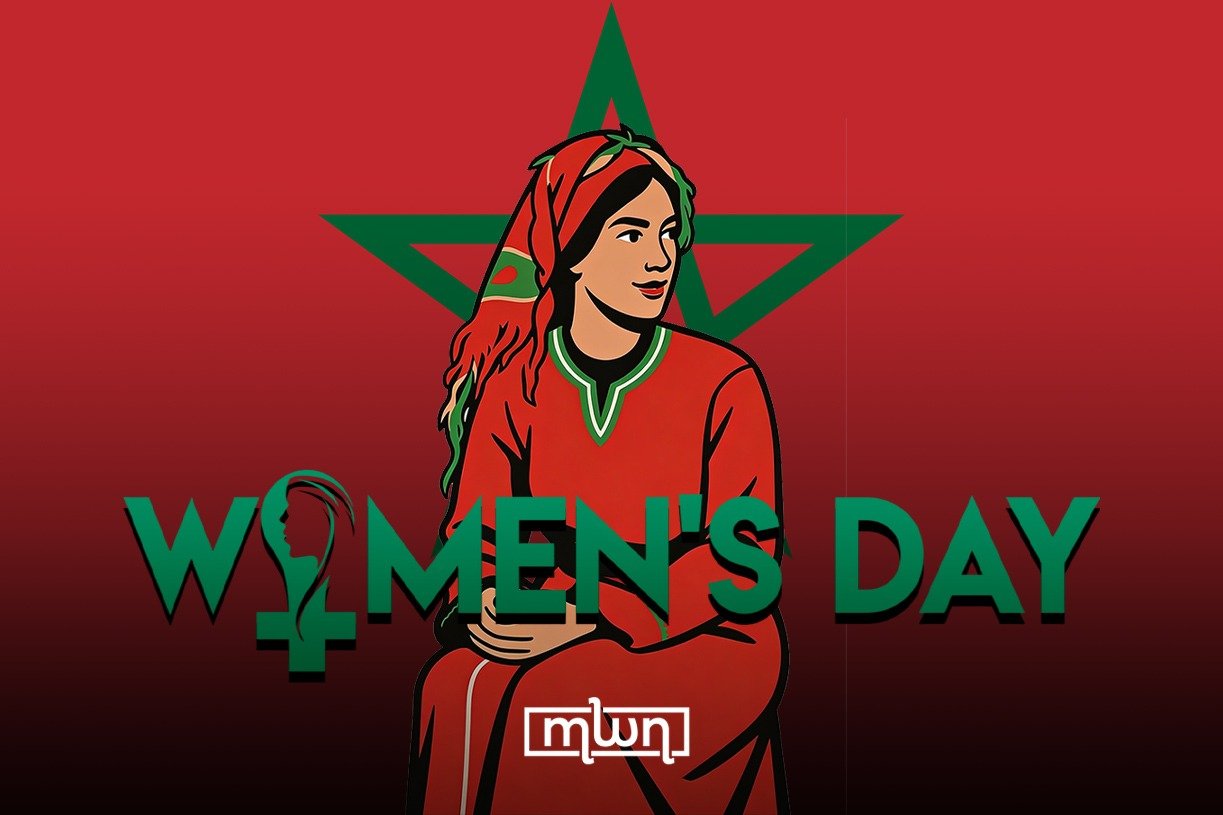
Casablanca – Across the winding alleys of the Marrakech Medina and the high-rise offices of Casablanca, a quiet but firm transformation is taking place. This March 8, the conversation is shifting as Morocco marks International Women’s Day 2026.
It is no longer just about the first woman to achieve a milestone; it is about the millions of women who are daily redefining what it means to be Moroccan.
While the headlines often focus on legislative decrees, the real story is written in the resilience of women navigating a society that is changing faster than ever before.
Beyond the law and into the streets
For many Moroccan women, the recent years have been a period of high-stakes anticipation. The country is currently in the final stretch of its Government Equality Plan 2023–2026, a roadmap designed to institutionalize protection and empowerment.
But for the woman catching the tramway in Rabat at 7:00 AM, the commitment of the state is measured by more than just a signature on a reform paper. It is measured by the safety she feels in public spaces and the respect she commands in the workplace.
The ongoing evolution of the Moroccan Family Code has been the talk of kitchen tables and cafe terraces alike. These reforms aim to close the gaps that have historically left women vulnerable in matters of divorce and guardianship.
In fact, consensual divorces now represent a staggering 96,83 % of all marital dissolutions as of 2024, signaling a move toward more amicable, agency-driven settlements.
Yet, the true reform is happening in the minds of the younger generation. There is a palpable sense among Gen Z and Millennial Moroccan women that equality is a standard to be expected, not a nicety to be gifted. They are pushing against the “invisible walls” that have long dictated how a woman should move, speak, and work.
The paradox of ambition
If you walk through any Moroccan university today, the energy is undeniably female. However, a strange silence often follows graduation. Recent HCP data reveals a leaky pipeline where talent is cultivated but not always harvested.
Despite the creation of 193,000 new jobs in 2025, the female unemployment rate actually rose to 20.5%, compared to 10.8% for men.
The paradox is most visible among the highly educated. A significant 33.3% of unemployed women in Morocco hold higher education degrees. The hurdle isn’t a lack of ambition; it is an environment that often forces a choice between professional growth and traditional expectations.
Many women who wish to contribute to the nation’s 4% projected economic growth find themselves sidelined by a lack of flexible childcare or the persistent weight of social norms that label the man as the primary breadwinner.
In the private sector, this disparity manifests in the wallet: women earn an average of 23% less than their male counterparts — a gap that jumps to over 42% in certain industries — meaning many women effectively work three months of the year for free.
The silent pillars of the rural economy
While the urban narrative is one of corporate climbing, the heartbeat of Morocco’s commitment is found in the rural provinces.
In the Atlas Mountains and the Souss valley, women are the literal backbone of the land. They are the ones sustaining the argan cooperatives and the agricultural plots that feed the nation. For these women, the gender gap isn’t an abstract concept; it’s the difference between having a bank account and relying on a male relative.
The rise of female-headed households — 19.2% of all Moroccan homes in 2024 — reflects a shift where women are increasingly the primary breadwinners. However, these women still carry the heaviest load of unpaid labor.
The 2025 Time-Use Survey updates remind us that women perform nearly 87% of all domestic work. Their struggle is for recognition and to be seen not just as helpers, but as the economic actors responsible for nearly 20% of the nation’s potential GDP.
Breaking the ceiling in the high office
At the top levels of Moroccan society, the landscape is looking increasingly different. The push for 40% female representation on boards of listed companies by 2027 is starting to bear fruit, and the presence of women in key ministerial positions is no longer an anomaly.
These leaders serve as a vital proof of concept for young girls in public schools, showing that the highest offices in the land are within reach.
In the public sector, the progress is even more visible; the proportion of women elected to prefectural and provincial councils rose to 35.6% following the last major election cycle, up from just 4.5% a decade ago.
Yet, these pioneers often speak of a double burden, the pressure to be twice as good as their male colleagues while still managing the traditional expectations of a Moroccan household.
The feminization of the civil service has reached 41.23%, but women still hold only about 28% of the high-level responsibility posts.
The challenge for 2026 is to ensure that these success stories aren’t just outliers. The commitment to ending the gender gap must involve more than just adding names to a list; it requires a cultural shift in how leadership is supported.
A new chapter of Moroccan identity
As the sun sets on International Women’s Day 2026, the mood across Morocco is one of defiant optimism. Moroccan women are no longer waiting for a seat at the table; they are building their own.
From the digital creators influencing the region’s AI democratization to the athletes representing the flag on the world stage, the Moroccan woman is the architect of the country’s future.
The journey toward closing the gender gap is far from over. There are still deep-seated challenges — from the 8.4% of young women still facing the shadow of early marriage, literacy, healthcare access in remote areas, and the persistence of harassment. But the momentum is undeniable.
This radical commitment to a new Morocco is best seen not in the speeches of politicians, but in the eyes of the young girl in a rural classroom who, for the first time, truly believes she can be anything she wants to be.
It tells the story of a nation in transition, led by the strength, intellect, and unyielding spirit of its women. The data shows how far they have come, but the women are the ones showing exactly how far they will go.
