


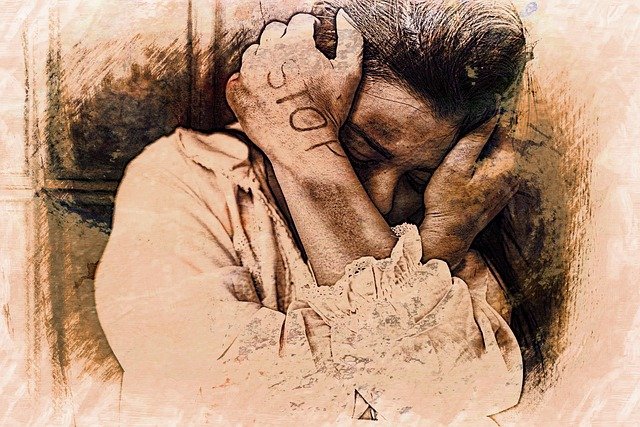
Casablanca – Morocco’s Ministry of Solidarity, Social Integration and Family has signed partnership agreements with 44 associations to support social protection programs, targeting women in vulnerable situations across the country.
The agreements were signed as part of ongoing efforts to strengthen social services on the ground and expand access to support for women facing economic and social hardship. Officials say the partnerships aim to improve coordination with civil society groups already working closely with local communities.
Under the deals, the associations will help implement programs focused on social support, empowerment, and protection services. This includes assistance for women in precarious situations, victims of violence, and those in need of economic integration opportunities.
The ministry said the initiative is part of a broader national strategy to reinforce social cohesion and reduce inequality, with civil society playing a central role in delivering services more efficiently.
Expanding support networks for women
The agreements also seek to improve the quality of care provided in social centers and shelters, while strengthening mechanisms for listening, guidance, and accompaniment. Authorities stressed that these partnerships are designed to bring services closer to beneficiaries, especially in underserved areas.
Funding and technical support will be provided to the selected associations to ensure the programs are properly implemented. The ministry did not detail the total budget but indicated that the effort fits within its wider social development framework.
This comes as broader challenges persist. More than half of Moroccan women have experienced some form of violence, yet only a small share report it, often due to fear, stigma, or lack of trust in institutions. Prosecution rates remain limited in several categories, reinforcing concerns raised by rights groups about gaps between legal frameworks and their implementation.
The recent launch of a central unit dedicated to supporting women victims of violence is expected to help address some of these gaps, by improving coordination between institutions and strengthening access to legal, psychological, and social support services.
But violence is only part of a broader set of challenges. Moroccan women also represent more than 72% of the country’s 2.9 million young people not in employment, education, or training. Most are inactive, often due to social constraints.
Morocco World News is also on X — check out our latest posts now! Get MWN on iOS and Android for instant access to breaking news.
