


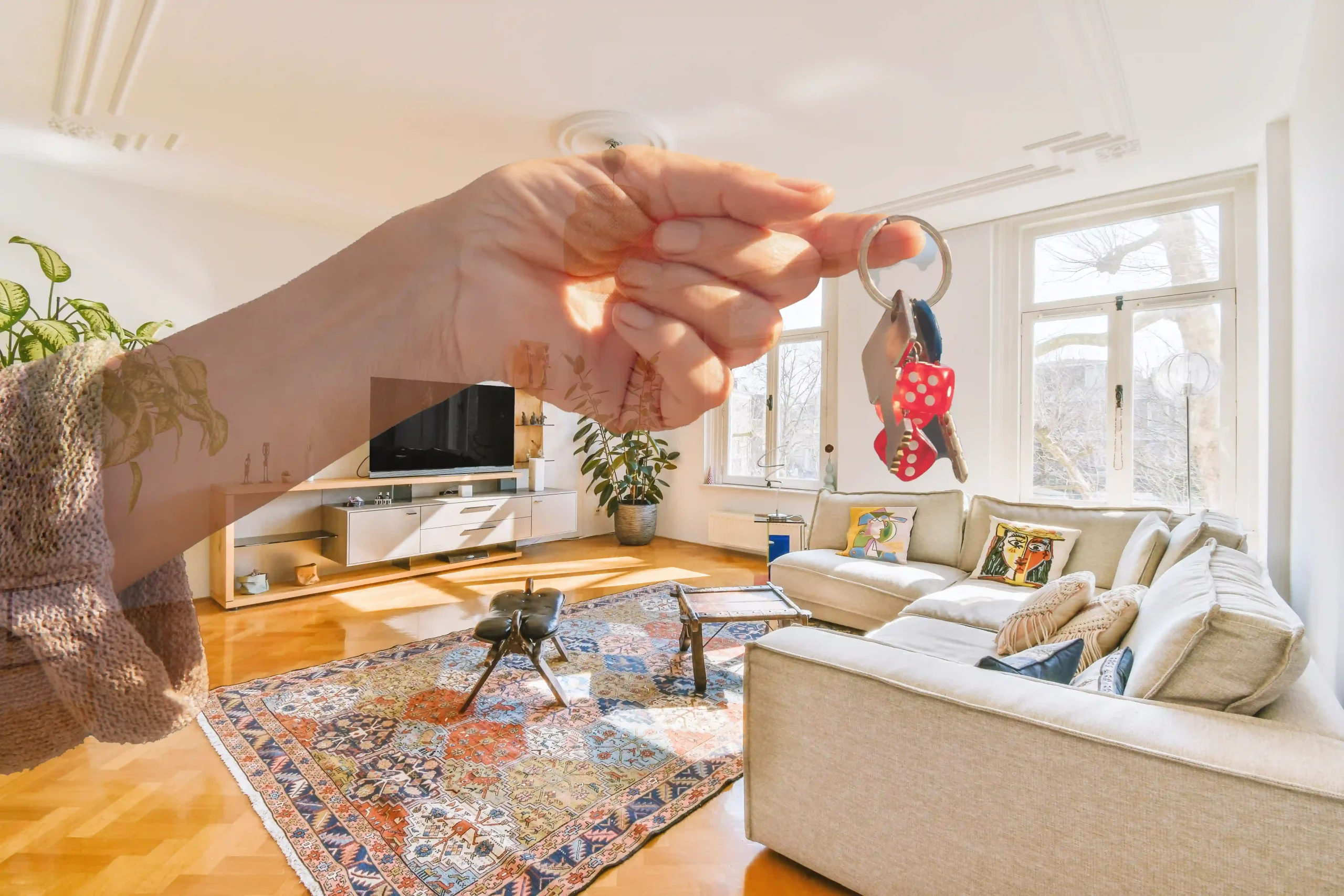
When I first considered moving to Morocco, everyone told me the same thing: “It’s so affordable!” And yes, compared to Paris or London, Morocco can feel like a bargain. But here’s what nobody talks about—the real cost of settling in Morocco goes far beyond your monthly rent check.
Over the past few years, Morocco has experienced something remarkable. Hundreds of thousands of Moroccans living abroad (MREs) and foreign expatriates have made the same decision I did—to call Morocco home. This wave accelerated dramatically after COVID-19, and it’s still growing every single year. While this brings incredible energy to cities like Marrakech, Casablanca, and Tangier, it’s also creating pressure points that deserve honest conversation.
Let me walk you through what’s really happening on the ground, because understanding the true cost of settling in Morocco means looking at the whole picture—not just the Instagram-worthy sunsets.
The Housing Reality: When “Affordable” Becomes Relative
Rental Markets Under Pressure
The most visible impact? Housing costs have skyrocketed. That apartment in Marrakech that rented for 4,000 dirhams three years ago? It’s now 7,000 dirhams or more. When I talk to local Moroccan families, they share stories of being priced out of neighborhoods they’ve lived in for generations.
Here’s the thing—when someone arrives from Paris and sees a 100-square-meter apartment for 700 euros, they think it’s a steal. After all, that same money would get you a studio in their hometown. So they sign the lease without hesitation. But for Moroccan families earning local salaries, that same apartment just became completely unaffordable.
This isn’t happening everywhere in Morocco. Small towns and rural areas remain accessible. But in major cities—Casablanca, Rabat, Marrakech, Tangier, and Agadir—the rental market has fundamentally shifted. Landlords now adjust their prices for what they perceive as more solvent clientele, and long-term rentals for locals have become increasingly scarce.
The purchase market tells the same story. Property prices haven’t just increased—they’ve exploded. What used to be middle-class neighborhoods are now marketed as premium areas with premium price tags.
The Ripple Effects: When Everything Costs More
Daily Services Transform
Beyond housing, the cost of settling in Morocco includes adjustments across everyday services. In certain neighborhoods, the rates for housekeepers, nannies, gardeners, and security personnel have doubled or even tripled.
A few years ago, a housekeeper might earn 150 dirhams for a full day’s work. Today, she’ll ask for 300 dirhams—and that’s absolutely her right. The market has changed, and workers deserve fair compensation for their labor. But for Moroccan families who previously employed household help once a month, this creates a difficult choice: pay significantly more or lose the service entirely.
Is this good or bad? It’s complicated. Workers earning better wages is undeniably positive. But the rapid pace of change creates adjustment challenges for everyone involved.
Healthcare Access Gets Complicated
Most newcomers turn to private healthcare in Morocco—it makes sense given the quality and convenience. But when demand surges without corresponding supply increases, waiting times grow longer. Appointment availability shrinks. Fees increase. Moroccans who previously relied on these same private facilities find access becoming more complicated.
This doesn’t mean you shouldn’t use private healthcare. It simply means we should be aware of how our collective choices create systemic pressure.
Education: The International School Squeeze
Private schools, especially French and international institutions, face tremendous demand. Tuition fees rise steadily. Waiting lists stretch longer. If you delay enrolling your child, finding a spot becomes genuinely difficult.
At some schools, selection increasingly happens through pricing alone. Moroccan families who previously accessed these institutions find themselves priced out of what are now called “international” schools, even though many were originally created for local students.
Beyond Money: Infrastructure Strains
Traffic That Didn’t Exist Before
Cities like Casablanca always had traffic—that’s nothing new. But Marrakech? Agadir? Tangier outside school holidays? These places used to flow smoothly. Now, rush hour brings genuine congestion that simply didn’t exist a few years ago.
More residents mean more cars. More cars mean longer commutes. Longer commutes mean increased stress for everyone navigating these cities daily.
On the positive side, this pressure forces cities to improve road infrastructure and invest in better transportation solutions. Growth creates challenges, but it also drives development.
Administrative Services Feel the Pressure
Government offices processing residency cards see longer lines. Getting documents legalized takes more time. National ID card renewals involve more waiting. Foreigners who lived here for years find residence card approvals taking much longer.
Controls have tightened—which is actually a good thing for maintaining order and security. But it’s a reality anyone considering the cost of settling in Morocco needs to factor into their timeline and patience reserves.
The Other Side: Real Economic Benefits
Now, let me be clear—this influx isn’t just creating problems. There are genuine, significant benefits that often get overlooked in these discussions.
Job Creation Matters
Most MREs and expats who settle here don’t just consume—they create. They start businesses, launch projects, develop services, and hire people. Overwhelmingly, they hire locally. Yes, some problematic hiring practices exist (people only recruiting from their home country), but the overall employment impact is substantially positive for Morocco.
Market Diversification and Quality Improvement
Increased demand from diverse customer profiles means supply expands and diversifies. New business concepts emerge. Specialized services develop. Customer experience standards improve. Traditional sectors adopt digital tools and modern approaches.
Everything isn’t perfect, but the overall quality level in Morocco is rising noticeably.
Talent Returns Home
For generations, Morocco lost its best and brightest to opportunities abroad. That created the Moroccan diaspora we know today. While talented graduates still leave annually, Morocco now offsets some of that brain drain through returning MREs and skilled foreigners choosing to settle here.
I see this firsthand in my interviews and Instagram testimonials—doctors, engineers, executives, tech professionals bringing valuable expertise back. They train local teams, transfer knowledge, and raise professional standards across industries.
Economic Circulation Benefits Everyone
Every person settling here contributes to the economy simply by living. They buy olive oil from the corner store. That purchase includes VAT that goes to the state. More consumption means more tax revenue, which theoretically funds new roads, infrastructure, hospitals, and public services.
It’s a potentially virtuous cycle—if managed well.
The Real Question: How Do We Make This Work?
The issue isn’t whether this influx is good or bad. Binary thinking doesn’t help anyone. The real question is: How does Morocco absorb this growth? How do we distribute value more fairly? How do we integrate all these new residents without negatively impacting locals?
These are complex challenges without simple answers. But awareness is the first step toward solutions.
What You Can Do Differently
If you’re planning to settle in Morocco, consider these approaches:
Be mindful of your bargaining power. Just because you can afford to pay more doesn’t mean you should automatically drive up prices in every transaction.
Support local businesses. Your spending choices shape which enterprises thrive and which struggle.
Hire fairly and broadly. When building teams, create opportunities for local talent rather than importing everything from abroad.
Integrate genuinely. Learn Darija. Understand cultural contexts. Participate in community life beyond expat bubbles.
Advocate for balanced development. Support policies and projects that benefit everyone, not just newcomers with foreign currency.
Let’s Talk About This
The cost of settling in Morocco encompasses far more than what you pay in monthly expenses. It includes your impact on communities, markets, and the social fabric of this beautiful country. Understanding these dynamics doesn’t mean feeling guilty—it means being thoughtful and intentional about how you participate in Morocco’s evolution.
What’s your experience? If you’ve already settled here, have you noticed these changes in your city? How do you think Morocco is managing this transition? And most importantly—what advice would you give someone planning to move here about keeping costs reasonable for everyone?
Share your thoughts in the comments below. This conversation matters for all of us building lives in Morocco, and your perspective adds essential context to this ongoing dialogue.
Planning your move to Morocco? Check out our [Morocco Relocation Guide] for practical tips on finding housing, navigating bureaucracy, and settling in successfully
