


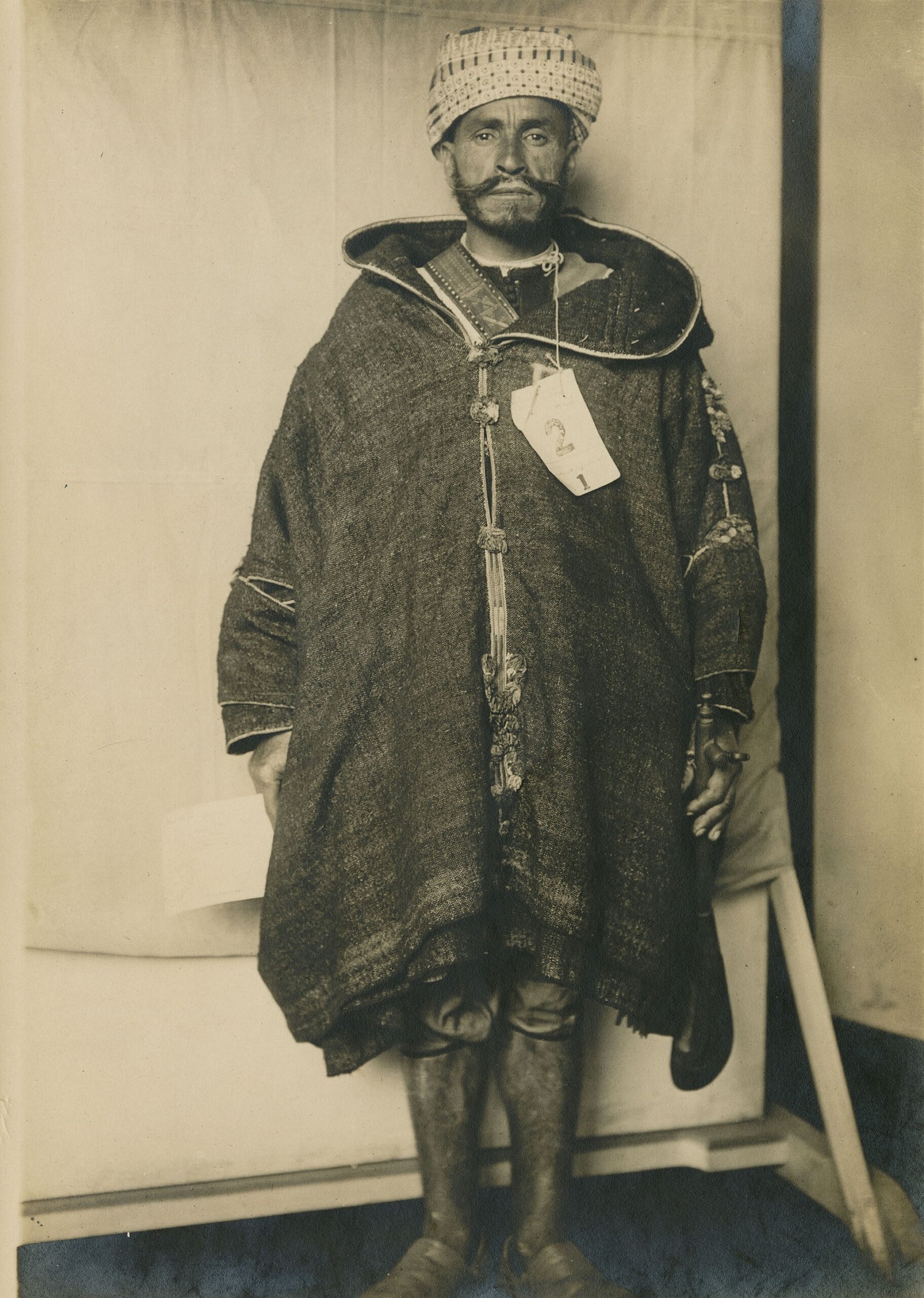
The Berber people, also known as the Amazigh, have a long and storied history in Morocco. Dating back thousands of years, the Berbers are indigenous to North Africa and have played a significant role in shaping the cultural landscape of the region.
Ancient Origins
The origins of the Berber people can be traced back to ancient times, with evidence of their presence found in rock art and archaeological sites across North Africa. The Berbers were known for their nomadic lifestyle, living off the land and herding livestock in the rugged mountains and vast deserts of Morocco.
Cultural Influence
Over the centuries, the Berbers have influenced Moroccan culture through their language, traditions, and customs. Their unique way of life is reflected in traditional music, dance, art, and architecture found throughout the country.
Resistance and Resilience
Throughout history, the Berbers have faced challenges from various conquerors who sought to control North Africa. Despite this, the Berber people have shown resilience and determination in preserving their identity and heritage.
Modern Day Presence
Today, the Berber people continue to play an important role in Moroccan society. Many Berbers still maintain their traditional way of life in rural areas, while others have embraced modernity while keeping their cultural roots alive.
Preserving Heritage
Efforts are being made to preserve and celebrate Berber culture in Morocco. Festivals, museums, and cultural centres showcase the rich history and traditions of the Berber people, ensuring that future generations will continue to honour this ancient heritage.
Conclusion
The history of the Berber people is woven into the fabric of Moroccan society, contributing to its diversity and richness. By acknowledging and celebrating this heritage, we can appreciate the enduring legacy of the resilient Berber people in shaping Morocco’s past, present, and future.
Exploring Berber Heritage: Unveiling the Origins, Identity, and Cultural Influence in Moroccan History
- What race were the Berbers?
- Are Berber Muslims?
- Who are Berbers genetically closest to?
- Where did Berbers of Morocco come from?
- Is Morocco Arab or Berber?
- What race are Berbers considered?
- Where did the Berbers come from in Morocco?
What race were the Berbers?
The question of the Berbers’ race is a complex one, as the Berber people encompass a diverse ethnic group indigenous to North Africa. Berbers are not defined by a single race but rather by a shared language, culture, and history. Over the centuries, the Berber population has interacted with various peoples and cultures, leading to a blend of genetic influences. It is important to recognise that the identity of the Berber people goes beyond racial categorisation, encompassing a rich tapestry of traditions and heritage that have shaped their unique cultural identity in Morocco and across North Africa.
Are Berber Muslims?
The Berber people, indigenous to North Africa, have a diverse cultural and religious heritage. While historically practising various belief systems, including animism and Christianity, the majority of Berbers today identify as Muslims. Islam was introduced to the region through Arab conquests in the 7th century, leading many Berbers to adopt the religion. However, it’s important to note that within the Berber population, there are variations in religious practices and interpretations, reflecting the rich tapestry of beliefs that contribute to the cultural mosaic of Morocco and other North African countries.
Who are Berbers genetically closest to?
The genetic origins of the Berber people have been a topic of interest and research among scholars and scientists. Studies suggest that the Berbers are genetically closest to other indigenous populations of North Africa, such as the Tuareg people and certain groups in the Middle East. This genetic affinity highlights the shared ancestry and historical connections between the Berbers and other populations in the region, shedding light on their complex and diverse heritage.
Where did Berbers of Morocco come from?
The origins of the Berbers in Morocco trace back to ancient times, with historical evidence suggesting that they are indigenous to North Africa. The Berber people have inhabited the region for thousands of years, developing a distinct culture and identity that is deeply rooted in the land. While the exact origins of the Berbers remain a topic of scholarly debate, their presence in Morocco predates many waves of migration and conquests that have shaped the region’s history. The Berbers’ connection to the land, their nomadic lifestyle, and their resilience in preserving their heritage have all contributed to their enduring presence and influence in Moroccan society.
Is Morocco Arab or Berber?
The question of whether Morocco is Arab or Berber is a complex one that reflects the country’s diverse cultural heritage. While Morocco is often identified as an Arab country due to the predominant use of Arabic language and Islamic religion, it is important to recognise the significant influence of the indigenous Berber population. The Berber people have inhabited North Africa for thousands of years, contributing to Morocco’s rich tapestry of traditions, customs, and identity. Therefore, it would be more accurate to describe Morocco as a blend of Arab and Berber influences, with both cultures playing integral roles in shaping the country’s history and character.
What race are Berbers considered?
The question of what race Berbers are considered is a complex one, as the Berber people are indigenous to North Africa and have a diverse ethnic and cultural identity. Berbers are often classified as a distinct ethnic group with their own language, traditions, and customs. While some may categorise them as Caucasian due to their geographic location and historical interactions with various civilizations, it is important to recognise that the concept of race is fluid and subjective. Ultimately, the Berber people’s rich history and heritage transcend simplistic racial classifications, highlighting the intricacies of their unique identity within the cultural mosaic of Morocco and North Africa.
Where did the Berbers come from in Morocco?
The origins of the Berber people in Morocco trace back to ancient times, with their presence deeply rooted in North Africa. Believed to be indigenous to the region, the Berbers have inhabited the rugged mountains and vast deserts of Morocco for thousands of years. Through archaeological evidence and historical records, it is understood that the Berbers have established a unique cultural identity that has significantly influenced the country’s heritage. Their nomadic lifestyle and rich traditions have shaped the landscape of Morocco, making them an integral part of the country’s history and cultural tapestry.
