


Rabat – A week after Senegal’s controversial win over Morocco in the AFCON final, things in Morocco have mostly gone back to normal.
The tension from the controversial VAR call, the last-minute penalty, and the chaos at the end of the match has started to fade. But some Senegalese voices are still speaking out, alleging the game was unfair and that Morocco had help from powerful institutions.
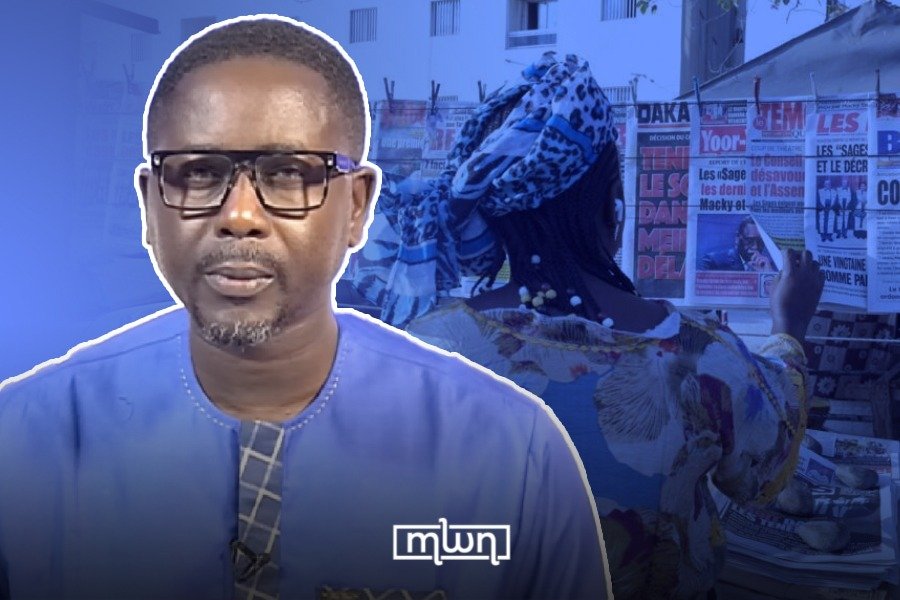
One of the loudest critics is Pape Ale Niang, a well-known Senegalese journalist and head of the national broadcaster RTS. In a post that got a lot of attention in X, he said FIFA President Gianni Infantino should step down for not staying neutral.
Niang claimed Infantino visited Morocco right before the final to support the home team and hinted that CAF may have been involved too.
This isn’t a small claim; it accuses top football officials of bias at the highest level. Accusations like these hit at the heart of football.
The sport’s credibility can’t survive wild claims of corruption or favoritism, especially when they’re spread by well-known media figures with big audiences.
When serious allegations are made without solid proof, they don’t protect the game, they put it in danger.
That’s why FIFA can’t afford to stay silent. If influential voices are allowed to accuse the organization’s leaders and referees of bias without facing consequences, it weakens the rules, the officials, and the institutions that keep the game fair.
This isn’t just about one final or one country, it’s about the future of football.
The rule is simple and non-negotiable: if you accuse someone of corruption, you need real evidence and a formal complaint through the proper channels.
Anything less isn’t accountability, it’s just speculation dressed up as outrage. If these stories go unchecked, they leave behind deep mistrust that lasts long after the match is over and the trophy is lifted.
The issue for Niang is that fact-checking debases his claim. Reports show that the images used to support his story weren’t taken the day before the final, but during an earlier visit. So, the idea that it happened “on the eve of the final” is misleading at best.
And when a senior journalist builds a case on a shaky timeline, the damage goes beyond one post. It gives fuel to conspiracy theories, stirs up anger, and turns normal things, like officials attending matches into supposed “evidence” of rigging.
This matters because the AFCON 2025 final did include real incidents that authorities are already investigating, without jumping to conspiracy theories.
A real knot to untangle
The infamous incident: Morocco were awarded a late VAR-verified penalty. Senegal’s players briefly left the pitch in protest which invoked violent classes among fans.
Moroccan and Senegalese leaders later reiterated diplomacy, saying the events should not harm relations between the two countries.
CAF also said it would review what happened and take the necessary steps. In short, there’s a real conversation to be had about player behavior, crowd control, and how rules are enforced, without needing to claim secret collusion.
This is where Niang’s approach becomes a problem. Instead of separating real issues, like sportsmanship, player protests, or what happened after the match, from serious claims of bias, he mixes everything into one story: “they tried to rig it, and we resisted.”
That message might connect with fans still upset about the result, but it’s risky. It replaces facts with hints, turns reporting into rallying, and turns a complicated situation into a conspiracy.
This kind of framing makes it harder to build trust or hold anyone truly accountable.
It also pushes people to see football’s institutions as corrupt by default, fueling more backlash, online attacks, political tension, and media fights that keep going long after the match is over.
