


Rabat – The Moroccan government is set to launch an ambitious program to rehabilitate social protection institutions across the country.
This new program aims to strengthen support for the most vulnerable populations and modernize the national social action system.
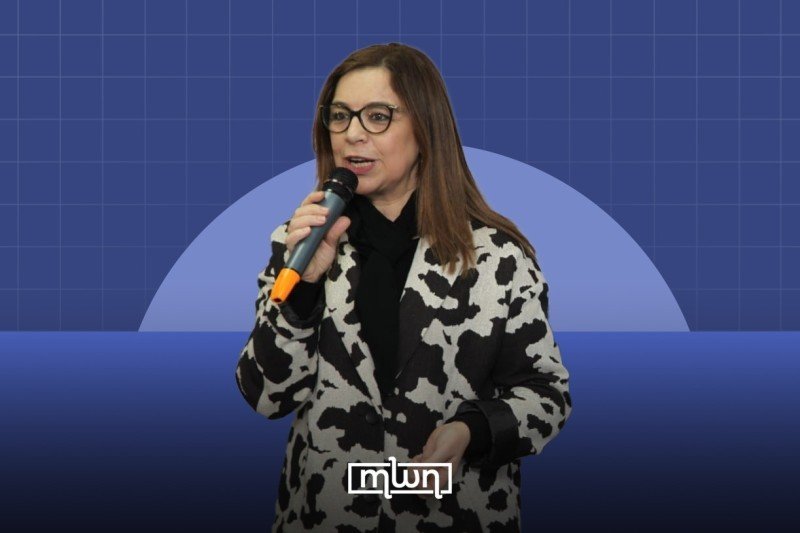
Naïma Ben Yahya, Minister of Solidarity, Social Inclusion, and the Family, announced in a written parliamentary response the preparation of an integrated national program to upgrade these institutions in accordance with the standards established by Law 65-15.
A national program informed by field research
The upcoming program seeks to modernize social protection institutions throughout Morocco, reflecting a structural reform of the sector.
It was designed following an extensive field diagnostic conducted between December 2024 and April 2025, Ben Yahya said, revealing that it covers 100 institutions in Draâ-Tafilalet, Beni Mellal-Khenifra, and Guelmim-Oued Noun.
The assessment evaluated the compliance of these institutions with Law 65-15 and identified key areas for improvement, including infrastructure, equipment, security, and human resources.
In her response to parliamentary advisors Loubna Alaoui and Khalid Essatte from the National Labour Union of Morocco, the minister emphasized that Morocco has adopted a comprehensive approach to tackling poverty, going beyond income metrics to include access to essential services such as education, healthcare, housing, transportation, water, and electricity.
Social protection institutions play a critical role in mitigating precarity, offering social, educational, and healthcare services to children, vulnerable women, the elderly, and persons with disabilities.
Currently, Morocco has 1,311 accredited social protection institutions with a combined capacity of 115,000 beneficiaries, according to Ben Yahya.
Enhanced financial support and compliance efforts
The ministry allocates a minimum of MAD 160 million ($17.6 million) annually to support the functioning of social institutions and plans to gradually increase this budget to ease operational burdens. In parallel, it is assisting institutions in aligning with Law 65-15 by strengthening infrastructure, security measures, and service procedures.
Last October, the government also adopted a decree regulating the care of beneficiaries outside social protection institutions.
This new model emphasizes rapid, localized intervention in emergencies, aiming to provide more effective assistance for people in distress.
Modernizing the social protection system also involves professionalizing social work through Law 45-18, which regulates social work professions and ensures higher service standards and oversight of social workers.
Partnership with associations as a strategic lever
The minister noted the pivotal role of partnerships with civil society organizations in implementing social policies.
Between 2020 and 2025, the ministry supported 539 association-led projects with funding exceeding MAD 195.6 million ($21.5 million), including 254 projects in rural areas.
These initiatives span family support, mediation, assistance for women victims of violence, child protection, women’s economic empowerment, and services for people with disabilities.
Through this integrated reform, the Moroccan government signals its determination to modernize social protection infrastructure, professionalize the sector, and strengthen collaboration with associations.
The challenge now lies in implementing the program effectively and ensuring it delivers sustainable solutions to persistent social vulnerabilities across the country.
