


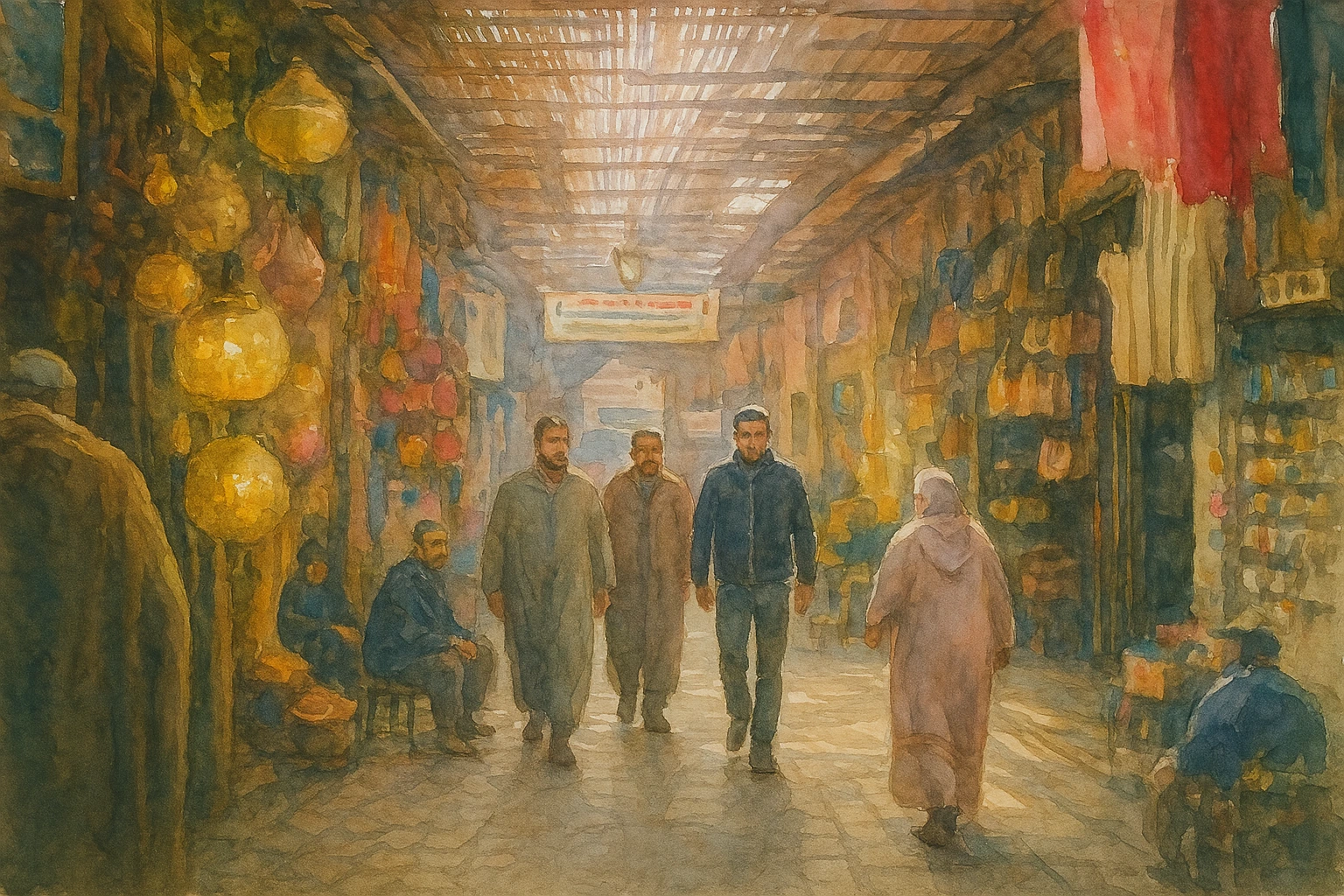
When I first arrived in Marrakech, I had one burning question: Is Marrakech worth visiting, or is it just another overhyped tourist destination? The moment I stepped into the medina, the city answered for me. The air smelled of spices and fresh bread. Calls to prayer echoed from minarets. And everywhere I looked, I saw that distinctive red-orange color painting the entire cityscape.
Marrakech earned its nickname “The Red City” for good reason, and after exploring its bustling squares, peaceful riads, and chaotic souks, I understood why travelers keep coming back. Let me take you through what makes this Moroccan city special—and help you decide if it deserves a spot on your travel list.
Why They Call It “The Red City”
The first thing you notice about Marrakech is the color. Every building, every wall, every gate glows in shades of terracotta and burnt orange. This isn’t just for show—it’s history you can see with your eyes.
When the Almoravid dynasty established Marrakech as their capital centuries ago, they built using red sandstone from the surrounding region. The tradition stuck. Even today, local building codes require that structures maintain that warm, earthy color. Walking through the streets feels like stepping into a living museum where the past and present blend into one red-hued canvas.
The sandstone wasn’t just beautiful—it was practical. These thick walls keep buildings cool during scorching summer days, a clever bit of old-world architecture that still works today.
Jemaa el-Fna: The Heart That Never Stops Beating
If Marrakech has a soul, you’ll find it in Jemaa el-Fna square. The name translates to “Assembly of the Dead,” but there’s nothing lifeless about this place. It’s pure energy from sunrise to well past midnight.
A Living Theater
When I first walked into Jemaa el-Fna, I stopped in my tracks. The square transforms into an open-air theater where life unfolds in every direction. Snake charmers sit cross-legged with cobras swaying to their flutes. Storytellers gather crowds, speaking in rapid-fire Darija while their audiences laugh and gasp. Musicians play traditional instruments, and acrobats flip through the air.
This is why locals call Marrakech “The City of Joy.” Boredom doesn’t exist here. Every corner offers something new to watch, hear, or discover.
Food Everywhere
The smells hit you before you see the food stalls. Grilled meats sizzle on charcoal. Fresh orange juice vendors squeeze fruit at lightning speed. And yes, you’ll find some unusual options too—like snail soup and sheep’s head (ras kharoof), both local favorites that adventurous eaters should try.
I grabbed some msemen, a flaky Moroccan flatbread, from a street vendor. Warm, buttery, and perfectly crispy—it cost almost nothing and tasted better than anything I’d find in a fancy restaurant.
Getting Lost in the Medina’s Maze
Leave Jemaa el-Fna behind, and you enter a different world. The medina’s narrow alleyways twist and turn like a labyrinth designed to confuse outsiders. I got lost three times on my first day. And honestly? Getting lost was the best part.
Hidden Riads: Marrakech’s Secret Gardens
From the chaotic streets, you’d never guess what hides behind those plain doors. Step through the entrance of a traditional riad, and suddenly you’re in a peaceful courtyard with fountains, tilework, and potted plants. These old houses show Marrakech’s genius—keeping noise and heat outside while creating cool, quiet spaces inside.
The riads I visited had incredible craftsmanship. Intricate zellige tilework covered walls in geometric patterns that could make your eyes dance. Carved cedar wood ceilings told stories through their designs. Each riad felt like a small oasis.
The Souks: A Sensory Explosion
The souks (traditional markets) spread through the medina like veins carrying life through the city. Each section specializes in something different—spices in one area, leather goods in another, handmade carpets in a third.
Walking through the spice souk, mountains of saffron, cumin, and ras el hanout (a complex Moroccan spice blend) create pyramids of color and scent. In the textile souk, vendors drape beautiful fabrics and traditional clothing across every surface. The leather souk… well, let’s just say the smell from the tanneries is strong, but the handcrafted bags and shoes make it worth holding your breath.
Bargaining is expected, almost required. Don’t pay the first price—negotiate with a smile, and you might walk away with something beautiful at a fair price.
Historical Landmarks Worth Your Time
Marrakech isn’t just pretty chaos. The city holds deep historical significance, and several landmarks showcase its importance.
Koutoubia Mosque: Marrakech’s Tallest Icon
The Koutoubia Mosque stands as Marrakech’s most recognizable landmark. Its minaret reaches 77 meters into the sky, dominating the skyline and serving as a navigation point when you’re lost in the medina (which you will be).
Built in the 12th century, Koutoubia represents the pinnacle of Almohad architecture. Non-Muslims can’t enter, but the exterior alone deserves your attention. The proportions, the decorative elements, the way it catches the light at sunset—it’s architectural poetry.
During my visit, the mosque was undergoing restoration work due to damage from a recent earthquake. This reminded me that these historical treasures need constant care to survive for future generations.
So, Is Marrakech Worth Visiting?
After days exploring this red-hued wonder, my answer is a definite yes. Marrakech is worth visiting because it offers something increasingly rare in our modern world—authenticity mixed with accessible adventure.
You don’t need a huge budget to enjoy Marrakech. Street food costs pocket change. Getting lost is free. The sights, sounds, and smells create memories that don’t require expensive entry tickets.
The city works for different types of travelers too. History lovers find centuries of architecture and culture. Food enthusiasts discover flavors they’ve never tasted. Photographers capture colors and scenes that look unreal. Even people who just want to wander and absorb a different way of life will find Marrakech welcoming.
What Makes It Special?
The magic of Marrakech isn’t in one specific attraction—it’s in how everything combines. The ancient and modern coexist. Traditional craftsmen work next to shops selling smartphones. Donkey carts share streets with motorbikes. Call to prayer echoes while tourists sip coffee in rooftop cafés.
This blend might frustrate you at times. The persistent carpet sellers, the sensory overload, the occasional chaos—they’re all part of the package. But they’re also what makes Marrakech real, not a sanitized tourist attraction pretending to be authentic.
Practical Tips for Your Visit
Before you pack your bags, here are some things I learned:
Dress Respectfully: Morocco is a Muslim country. Cover your shoulders and knees, especially when visiting religious sites or wandering outside tourist areas.
Stay Hydrated: Marrakech gets hot, particularly in summer. Carry water and seek shade during the hottest afternoon hours.
Cash is King: Many small vendors and food stalls don’t accept cards. Bring Moroccan dirhams for your purchases.
Learn Basic Phrases: A simple “Salam” (hello) or “Shukran” (thank you) goes a long way. Moroccans appreciate when visitors make an effort, even if it’s just a word or two.
Book Riads Early: The best traditional riads fill up quickly. Reserve your accommodation ahead, especially during peak tourist seasons.
Negotiate, But Be Fair: Bargaining is expected in the souks, but don’t be disrespectful. Offer reasonable prices and remember that many vendors rely on these sales for their livelihood.
Your Marrakech Adventure Awaits
Marrakech surprised me. I expected a beautiful city with interesting sights, and I got that—but I also found warmth, humor, and unexpected moments of wonder. From watching the sunset paint the Koutoubia Mosque golden to sharing mint tea with a shopkeeper who wanted to practice his English, the human connections made the city unforgettable.
The Red City might challenge you. It might overwhelm you. But if you arrive with an open mind and a sense of adventure, Marrakech will reward you with experiences you’ll talk about for years.
Now I want to hear from you: Have you visited Marrakech? What surprised you most about the city? And if you haven’t been yet, what would you want to see first? Share your thoughts in the comments below—I’d love to know what draws you to Morocco’s Red City!
