


Casablanca – Iran’s war is starting to hit the global tech supply chain directly, pushing up costs for some of the most basic components used in electronics.
Printed circuit boards, or PCBs, are now harder to make and more expensive. These parts sit inside almost everything, from smartphones and laptops to AI servers.
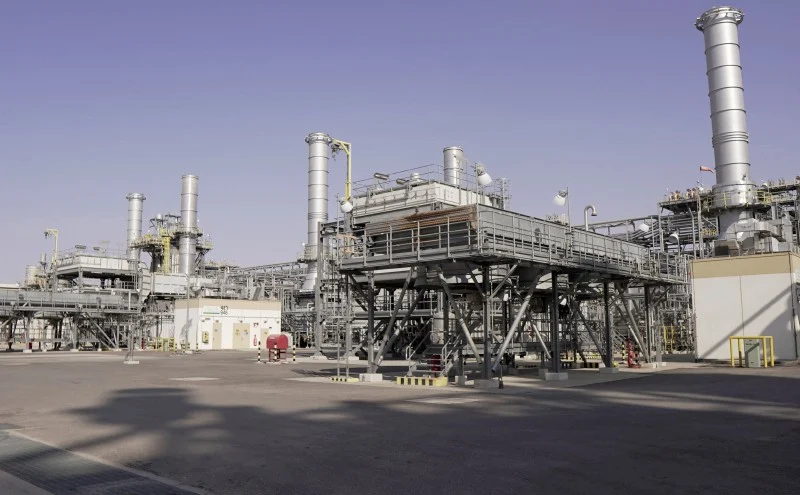
The disruption traces back to an early April strike on Saudi Arabia’s Jubail petrochemical complex. The facility produces high-purity polyphenylene ether resin, a key material used in PCB laminates. Saudi chemical giant SABIC, which accounts for about 70% of global supply, has not been able to restart production, causing supply to tighten.
PCB prices rose by as much as 40% in April alone, according to Goldman Sachs. At the same time, other materials used in circuit boards are also getting more expensive. Copper foil prices are up around 30% this year, while glass fiber is also in short supply.
Manufacturers are already under pressure from high memory chip costs. This new shock adds another layer.
Read also: Iran’s FM Visits Russia as Tehran Steps Up Diplomacy To End US-Israel War
Companies across the supply chain are reacting. South Korea’s Daeduck Electronics is in talks with clients including Samsung and AMD about raising prices.
For many firms, the priority is shifting. It is no longer just about managing customer demand, but securing enough raw materials to keep production running.
The timing is not ideal. The global PCB industry had been expected to grow 12.5% to reach $95.8 billion in 2026.
Now, supply constraints are starting to outpace demand. Cloud service providers say they expect further price increases, as demand for electronics, especially linked to AI, continues to rise faster than supply can adjust.
The war is also disrupting logistics in the Gulf, adding delays and higher transport costs.
Morocco World News is also on X — check out our latest posts now! Get MWN on iOS and Android for instant access to breaking news.
