


Rabat – Iran signaled today that it seeks a permanent end to its war with the US and Israel, rejecting a proposed ceasefire and resisting mounting pressure to reopen the Strait of Hormuz, a key artery for global energy supplies.
According to Islamic Republic News Agency, Tehran responded to a US-backed proposal mediated by Pakistan with a 10-point framework that calls for a lasting settlement rather than a temporary truce. The proposal includes demands for an end to regional wars, guarantees for safe maritime passage, sanctions relief, and post-war reconstruction.
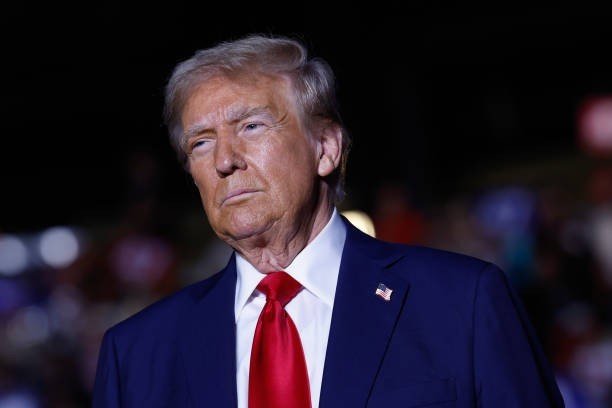
US President Donald Trump dismissed Iran’s response as insufficient and reiterated a strict deadline for Tehran to comply. Speaking at a White House event, Trump warned that Iran could face overwhelming military action if it fails to reopen the strategic waterway by Tuesday night.
“It’s not good enough,” he said, adding that Iran could be “taken out” in a single night.
Strategic pressure mounts around Hormuz
The standoff over the Strait of Hormuz has become central to the war. Since late February, Iran has effectively shut down the passage following joint US and Israeli strikes, disrupting a route that carries roughly one-fifth of the world’s oil and gas supplies. Analysts view Tehran’s control over the strait as a critical lever in negotiations.
A Pakistani-brokered framework had proposed an immediate ceasefire followed by accelerated talks toward a broader peace agreement within weeks. Pakistan’s army chief, Asim Munir, reportedly maintained continuous contact with senior US and Iranian officials, including Vice President JD Vance and Foreign Minister Abbas Araqchi.
Iranian officials insisted their demands reflect strategic confidence rather than concession. Foreign ministry spokesperson Esmaeil Baghaei rejected earlier US proposals as excessive.
Global economic and political fallout
Now nearing six weeks, the war has begun to weigh heavily on global markets and domestic. Oil prices have surged amid uncertainty over supply routes, with Brent crude climbing above $100 per barrel.
The war also poses political risks for Trump ahead of upcoming midterm elections, as concerns grow within his party over the economic and security implications of a prolonged war.
Deaths continue to mount across multiple fronts. Thousands have reportedly been killed in Iran, while Israel, Lebanon, and US forces have also suffered casualties.
With diplomatic channels under strain and military activity increasing, the coming hours may prove decisive in determining whether the war moves toward broader escalation or a negotiated settlement.
