


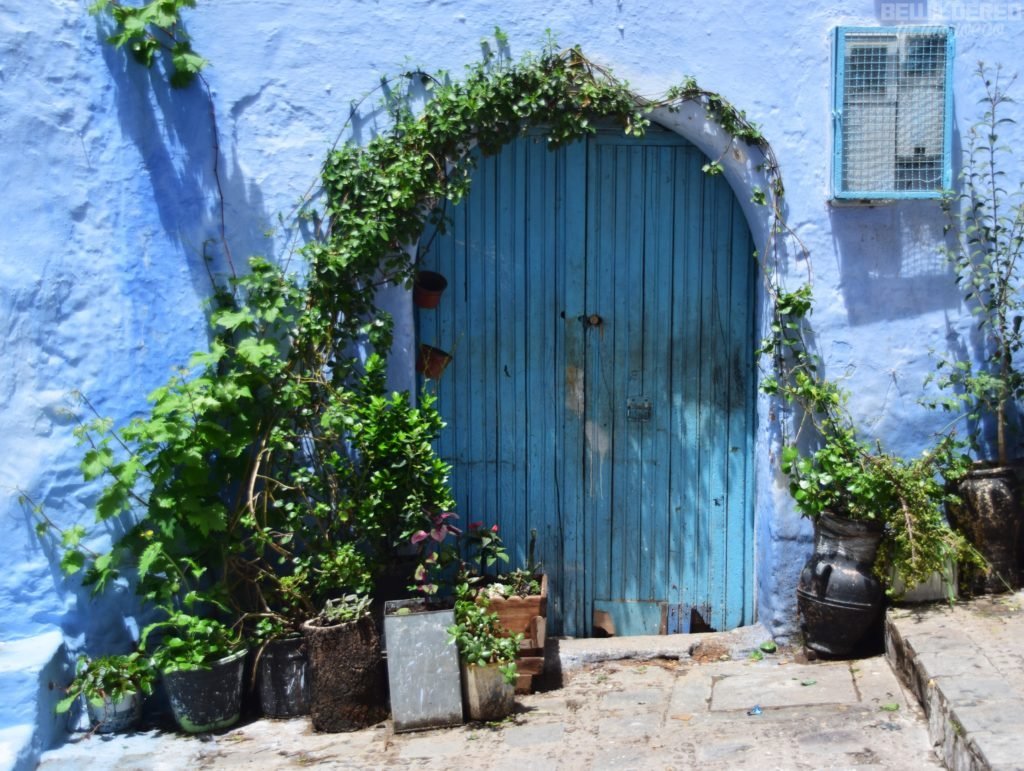
The first time I stepped into the streets of Chefchaouen Morocco, I felt like I had walked into a dream. Blue everywhere—not just one shade, but dozens. Icy blue corners, deep cobalt walls, soft turquoise doorways. The explosion of color hit me immediately, and I knew this would become one of my favorite places in the world.
Getting to Chefchaouen is easy. I took a 2.5-hour bus ride from Tangier, and the drive alone was worth the trip. The scenery changed completely—no more desert palms, just green mountains and dramatic peaks rising in every direction. When you finally arrive, you understand why this place is special.
Why Chefchaouen Morocco Is Called the Blue City
Everyone asks the same question: “Why is everything blue?”
The truth is, nobody knows for sure. The most common explanation is that Jewish refugees brought the tradition in the 1930s. They painted their homes blue to represent spirituality and the sky. Others say it was to repel mosquitoes or keep buildings cool during hot summers. Some connect it to old Andalusian traditions.
But here’s what I think—the reason doesn’t matter as much anymore. Today, residents repaint their homes every year because the blue has become the city’s identity. People travel from all over the world just to see these streets. The color has become a brand, a global icon. What started as spiritual tradition is now kept alive by tourism and local pride.
The Mountains That Give Chefchaouen Its Name
Something most visitors don’t know: the name “Chefchaouen” has a beautiful meaning. It comes from a mix of Arabic and Amazigh words that mean “look at the horns.” When you stand at certain viewpoints, you’ll see exactly what this means—two mountain peaks rise on each side of the town like protective horns.
The first settlers looked at these peaks and thought the mountains were watching over the valley. That’s how Chefchaouen Morocco got its name. Even now, these peaks dominate the skyline, and you can spot them from almost anywhere in the city.
The location in the Rif Mountains gives Chefchaouen something special. The air feels cooler and fresher than other Moroccan cities. You’ll notice the mountain vibe immediately—it’s completely different from the desert cities like Marrakech or the coastal towns like Essaouira.
Getting Lost in the Blue Medina
The medina in Chefchaouen is smaller than Marrakech or Fez. But don’t let that fool you—getting lost here is the main activity, and you’ll want to get lost on purpose.
I spent hours wandering through tiny alleys, turning random corners, discovering hidden photo spots. Every street offers something beautiful—stunning arches, colorful doors, vibrant blue walls that make you feel good just looking at them. The architecture tells stories of the past, blending Moroccan and Andalusian styles.
One thing surprised me: there are marked photo spots on Google Maps where tourists gather. You’ll find crowds at these locations, especially the spots with flowers and beautiful mosaics. But here’s my advice—walk away from these areas. The entire medina is gorgeous. When you explore the less-visited streets, you’ll have them almost completely to yourself.
You’ll also notice cats everywhere in Chefchaouen Morocco. I counted eight cats in one spot alone. They’re friendly and seem to own the place, just like in most Moroccan medinas.
Where to Stay in Chefchaouen Morocco
I stayed in a two-bedroom apartment for just $22 per night. The place was nicely decorated, minimalistic, with a traditional Moroccan feel. The kitchen had everything we needed, and the bathroom had that authentic tile work you see everywhere in Morocco.
But the best part? The rooftop view. From up there, I could see blue buildings spreading across the valley, with those magnificent mountain peaks in the background. The view alone was worth the price.
Accommodation in Chefchaouen is affordable and high quality. You can find good riads, guesthouses, and apartments without breaking your budget. The city hasn’t been overtaken by mass tourism yet, so prices remain reasonable.
The Heart of Chefchaouen: Plaza Uta el-Hammam
Every medina has a central square, and in Chefchaouen Morocco it’s called Plaza Uta el-Hammam. This is where locals and tourists gather, where life happens.
The plaza is surrounded by cafes and restaurants with outdoor seating. You can sit here with a mint tea, watch people pass by, and soak in the atmosphere. The Grand Mosque sits right on this square, with its distinctive octagonal minaret—quite different from the square minarets you see in other Moroccan cities.
Visitors can climb the mosque’s tower for panoramic views of the city. From up there, you see the full scope of Chefchaouen—the blue buildings, the surrounding mountains, the two horn-shaped peaks that gave the city its name. Despite how it looks from above, the medina isn’t huge. About 46,000 people live here, and the surrounding areas are mostly rural.
For a long time, Chefchaouen was isolated from the rest of Morocco. This isolation helped preserve its traditions and unique character. You can still feel that special atmosphere when you walk the streets.
Food in Chefchaouen Morocco: Delicious and Affordable
I was blown away by the food quality here. Every restaurant seems to have 4.5 stars or higher. The tajines are incredible—tender meat that falls off the bone, aromatic vegetables, everything cooked to perfection in traditional clay pots.
I tried chicken tajine with vegetables, and Mihi ordered meatball tajine with a fried egg on top. Both cost us 115 dirhams total (about $11). The portions were generous, the flavors were rich, and the food wasn’t heavy despite being so flavorful.
The best part? Prices stay reasonable even though this is a tourist destination. Many visitors expect Chefchaouen to be expensive and overcrowded, but it’s neither. You’ll find authentic Moroccan food at local prices, served in restaurants where you can eat alongside Moroccan families, not just tourists.
Fresh bread comes with every meal. The traditional way to eat is to tear the bread and use it to scoop up the tajine. This is how locals eat, and once you try it, you’ll understand why.
Ras Elma: The Waterfall Just Minutes from the Medina
One of my favorite discoveries in Chefchaouen Morocco was Ras Elma—a small waterfall just a short walk from the medina. The name means “head of water,” and this spot supplies water to the city.
The 15-minute hike to Ras Elma is beautiful. You walk along a river, surrounded by green nature, with mountains rising around you. It’s a completely different experience from the blue medina streets, but equally special.
The waterfall itself is small—more like a baby waterfall—but the setting is magical. Little restaurants sit along the river where you can eat right by the water. The sound of flowing water is calming and relaxing. It’s my kind of place.
I also noticed something unusual here: oranges kept in water. Restaurant owners do this to keep the fruit cold, so when you order fresh orange juice, it’s nice and chilled. It’s visually appealing too—seeing those bright oranges floating in clear water.
Apart from being picturesque, Chefchaouen Morocco is surrounded by stunning nature. The combination of the blue city and green mountains makes it unique among Moroccan destinations.
Sunset at the Spanish Mosque
The Spanish Mosque sits on a hill about 15 minutes from Ras Elma. It’s the most popular spot to watch the sunset in Chefchaouen Morocco, and for good reason.
The mosque was built in the 1920s during Spanish colonial rule in northern Morocco. For a long time, local residents didn’t use it because they saw it as too foreign, too impure. The Spanish never intended it as a real mosque—it was more of a colonial symbol.
But things changed about two years ago. The mosque was renovated and is now used for prayers. The building has become part of Chefchaouen’s story rather than a reminder of occupation.
The walk up to the Spanish Mosque is scenic. You climb through hills with views of the blue city spreading below you and mountains all around. Yes, it gets crowded near sunset—this is a popular spot after all. But you can walk a bit further down the hill and find quieter spots with even better views.
Watching the sun set over Chefchaouen from this viewpoint is unforgettable. The blue buildings catch the golden light, the mountains turn purple and orange, and you understand why people fall in love with this place.
Why Chefchaouen Morocco Deserves More Than a Day Trip
Many travelers visit Chefchaouen as a day trip from Tangier or Fez. That’s a mistake. This city deserves at least two or three days.
You need time to wander the medina without rushing. Time to eat slowly at local restaurants. Time to hike to Ras Elma in the morning and the Spanish Mosque at sunset. Time to just sit in Plaza Uta el-Hammam with mint tea and watch the world go by.
The people here are incredibly friendly. Food is delicious and affordable. The views are spectacular from every angle. You have both the blue medina and stunning nature surrounding you. All these elements combined make Chefchaouen not just one of the top spots in Morocco, but one of the most special places I’ve visited anywhere in the world.
I can easily see myself staying here for a month. The pace of life is slower, the atmosphere is peaceful, and there’s enough to explore without feeling overwhelmed by crowds or tourist traps.
Practical Tips for Visiting Chefchaouen Morocco
Getting There: The easiest way is by bus from Tangier (2.5 hours) or Fez (4 hours). The bus ride from Tangier is particularly scenic—you’ll drive through beautiful mountain landscapes.
When to Visit: Spring (March-May) and fall (September-November) offer the best weather. Summer can be hot, though cooler than desert cities. Winter is mild but can be rainy.
Where to Stay: Book accommodation in or near the medina for the full experience. Prices are reasonable—expect to pay $20-50 per night for good quality places.
Photo Spots: Yes, there are marked photo spots that get crowded. But remember that the entire medina is photogenic. Explore the smaller streets for better photos without the crowds.
What to Bring: Comfortable walking shoes for the hilly streets and hiking trails. A light jacket for cooler evenings. Your camera—you’ll want to capture everything.
Hiking Options: For serious hikers, there’s a 7-8 hour challenging hike to one of the horn-shaped peaks. Ask locals for guides and recommendations.
Is Chefchaouen Worth the Hype?
After years of wanting to visit, after putting it on my bucket list for so long, I can honestly say: Chefchaouen exceeded my expectations.
This might be the most beautiful city in Morocco. The blue streets are magical, yes, but there’s more to it than just pretty colors. The combination of authentic Moroccan culture, friendly people, delicious food, stunning mountain scenery, and peaceful atmosphere makes this place truly special.
You won’t find the aggressive selling tactics that frustrate travelers in bigger cities. The medina feels authentic, lived-in, real. People still paint their homes blue not because they have to, but because they’re proud of their city’s unique identity.
If you only have time for one smaller city in Morocco, make it Chefchaouen. You’ll understand why travelers fall in love with this place, and like me, you’ll already be planning your return visit before you even leave.
Have you visited Chefchaouen Morocco? What was your favorite spot in the blue city? Or if you’re planning to visit, what are you most excited to see? Share your thoughts and questions in the comments below—I’d love to hear about your experiences and help with your travel planning!
