

Close Menu
21stNews21stNews

    Subscribe to Updates

    Get the latest creative news from FooBar about art, design and business.

    What's Hot

    Marwan Rahiki Defeats Ollie Schmid via First-Round TKO

    May 4, 2026

    I Asked King Mohammed VI to Pardon Senegalese Fans

    May 4, 2026

    “No Player Is Bigger Than Real Madrid’

    May 3, 2026
    Facebook X (Twitter) Instagram
    • About Us
    • Contact Us
    • Privacy Policy
    • Terms and Conditions
    Pinterest Facebook LinkedIn
    21stNews21stNews
    • Home
    • Moroccan News
    • Industry & Technologies
    • Financial News
    • Sports
    Subscribe
    21stNews21stNews
    Home»Financial News»Banks Face Rising Stablecoin Risk as Regulatory Uncertainty Slows Deployment
    Financial News

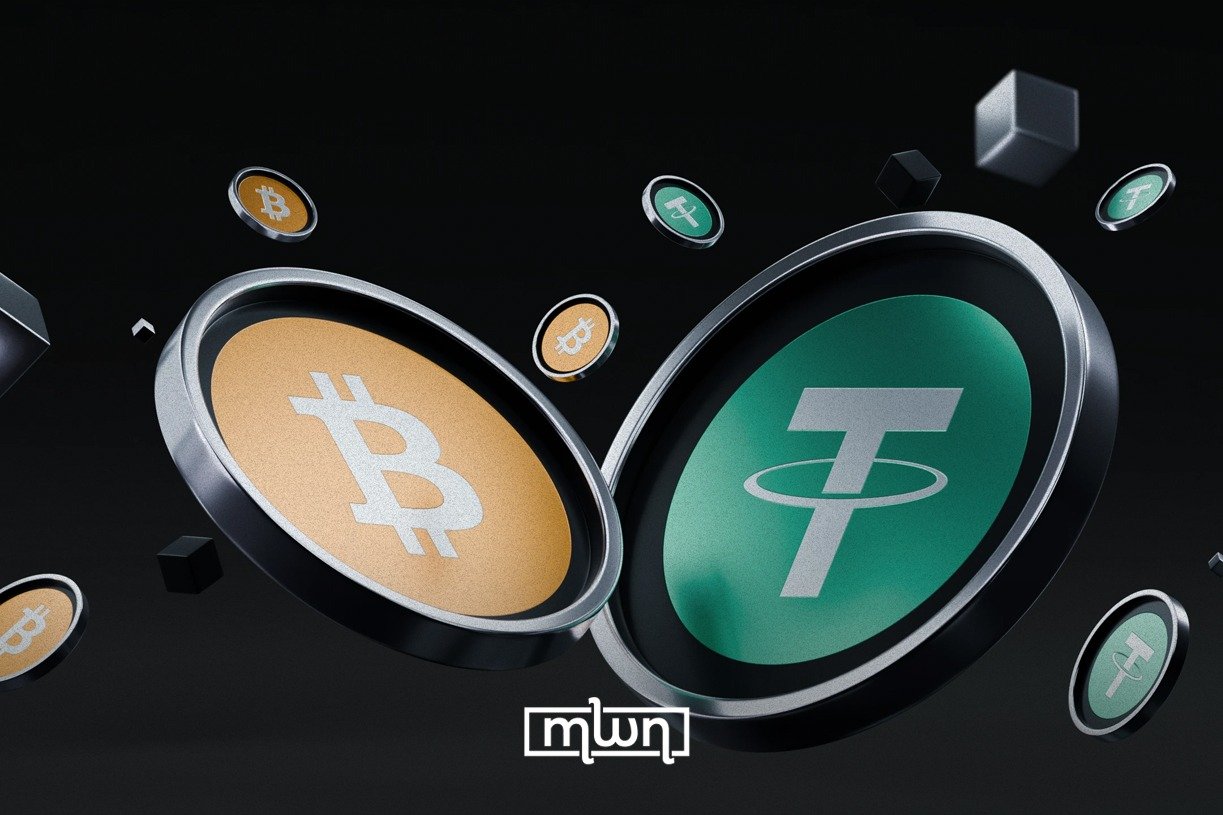
    Banks Face Rising Stablecoin Risk as Regulatory Uncertainty Slows Deployment

    By March 18, 20263 Mins Read
    Share Facebook Twitter Pinterest LinkedIn Tumblr Reddit Telegram Email
    Share
    Facebook Twitter LinkedIn Pinterest Email

    Casablanca – Traditional banks could end up carrying more risk from stablecoin regulation than the crypto firms they’re trying to compete with, according to a capital markets executive who says the real constraint isn’t technology, but uncertainty.

    Colin Butler, executive vice president at Mega Matrix, told Cointelegraph that banks have already poured money into digital asset infrastructure, but much of it is sitting in limbo. The reason is simple. Regulators still haven’t decided what stablecoins actually are. Whether they’re treated as deposits, securities, or something else entirely will determine how far banks can go.

    Ambiguous rules

    “The infrastructure spend is real, but regulatory ambiguity caps how far those investments can scale,” Butler said.

    Some of the biggest names in finance have already made moves. JPMorgan built its Onyx blockchain payments network. BNY Mellon rolled out a digital asset custody service. Citigroup has tested tokenized deposits internally. But inside these institutions, risk and compliance teams are holding the line. Without clear rules, full deployment isn’t getting approved.

    Crypto firms don’t have that problem. They’ve been operating in uncertain regulatory environments for years. It’s baked into how they function. Banks, on the other hand, are not built to move without clarity.

    That difference is starting to matter more as yield becomes a pressure point. Crypto exchanges are offering between 4% and 5% returns on stablecoin balances. Meanwhile, the average US savings account is still below 0.5%. The gap is hard to ignore.

    Read also: Pepeto Presale Stage Sells Out as Project Raises Over $8 Million

    Butler compared the situation to the shift into money market funds in the 1970s, but said things could move faster this time. Moving money from a bank to a stablecoin platform takes minutes, not days.

    Still, not everyone sees an immediate threat. Fabian Dori, chief investment officer at Swiss digital asset bank Sygnum, said a large-scale shift of deposits away from banks is unlikely in the near term. Institutions still prioritize trust, regulatory standing, and operational resilience when deciding where to park liquidity.

    There’s also a policy wrinkle. US law currently prevents stablecoin issuers from paying yield directly to holders. Exchanges get around this through lending, staking, or promotional programs. Butler warned that tightening those rules further could backfire.

    If returns are squeezed too much, capital may flow into alternatives like synthetic dollar products such as Ethena’s USDe, which generate yield through derivatives. That activity often sits offshore and outside tighter regulatory oversight.

    “Capital doesn’t stop seeking returns,” Butler said.

    Morocco World News is also on X — check out our latest posts now! Get MWN on iOS and Android for instant access to breaking news.

    Share. Facebook Twitter Pinterest LinkedIn Tumblr Email
    Previous ArticleNo Country Will Get Preferential Treatment
    Next Article Morocco’s Sardine Export Ban Rattles Spain’s Canning Industry

    Related Posts

    Financial News

    Marwan Rahiki Defeats Ollie Schmid via First-Round TKO

    May 4, 2026
    Financial News

    “No Player Is Bigger Than Real Madrid’

    May 3, 2026
    Financial News

    CNDH Panel Reframes Development Debate Through Cultural Rights Lens

    May 3, 2026
    Top Posts

    How Google Gemini Helps Crypto Traders Filter Signals From Noise

    August 8, 202524 Views

    DeFi Soars with Tokenized Stocks, But User Activity Shifts to NFTs

    August 9, 202522 Views

    DC facing $20 million security funding cut despite Trump complaints of US capital crime

    August 8, 202521 Views
    News Categories
    • AgriFood (201)
    • Financial News (1,934)
    • Industry & Technologies (1,693)
    • Moroccan News (2,012)
    • Sports (1,314)
    Most Popular

    Morocco’s FAR Chief, US Army Secretary Hail Bilateral Cooperation

    May 2, 20265 Views

    AS FAR Faces an Unbalanced Schedule

    May 2, 20265 Views

    Hakimi Among Top Assist Providers in Champions League

    May 1, 20265 Views
    Our Picks

    Exclusive-Japan’s Rakuten weighing US IPO of credit card business, sources say

    October 15, 2025

    Raoul Pal Predicts Total Crypto User Base 4B By 2030.

    September 1, 2025

    London City sack boss Prêcheur despite being sixth in WSL

    December 23, 2025

    Subscribe to Updates

    Get the latest creative news from FooBar about art, design and business.

    • Home
    • About Us
    • Privacy Policy
    © 2026 21stNews. All rights reserved.

    Type above and press Enter to search. Press Esc to cancel.

    Go to mobile version