


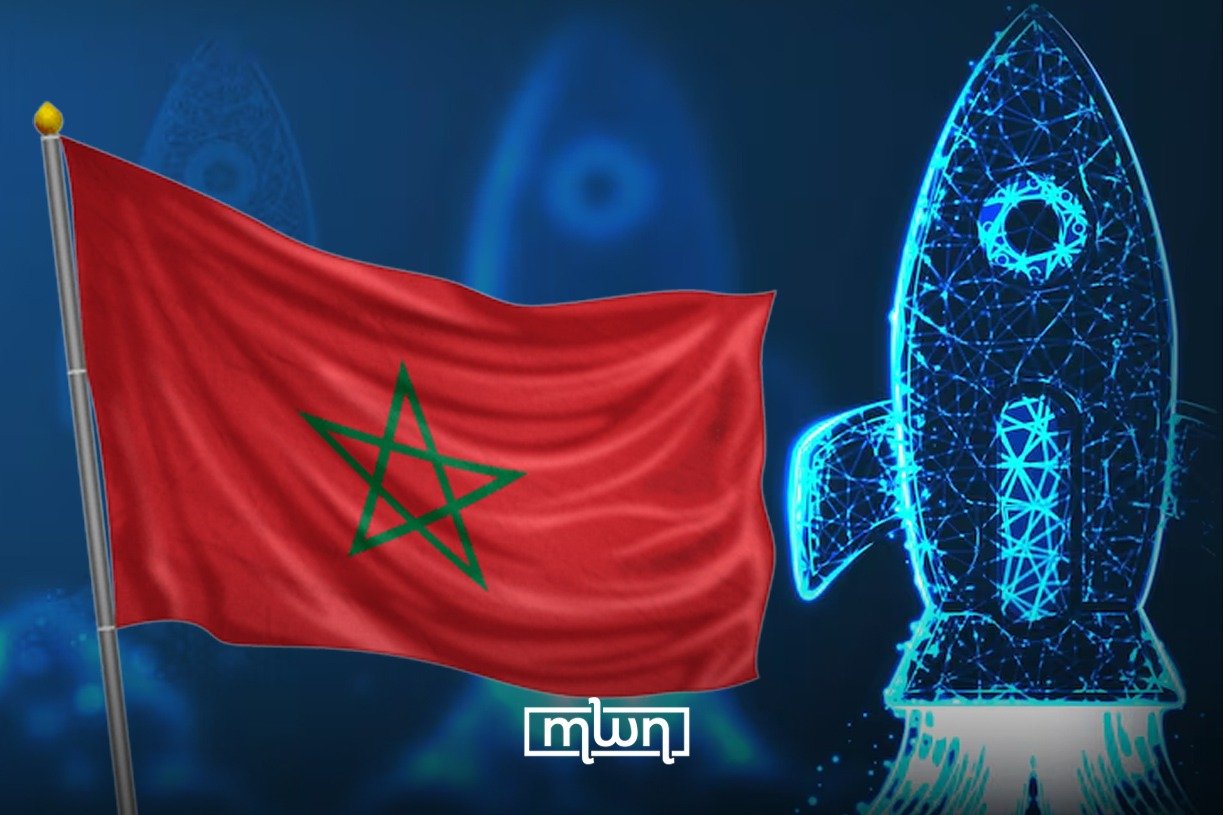
Rabat – Morocco’s startup ecosystem appears to be entering a more mature phase.The narrative was largely defined by potential and early experimentation for several years, but the shift is more tangible in 2026.
A growing number of companies are no longer positioning themselves as emerging ventures, but as operational businesses with clear models, measurable impact, and, in some cases, regional ambitions.
This evolution is visible across sectors that remain central to the country’s economic structure, namely finance, logistics, retail, healthcare, and urban mobility.
In addition to the diversity of activity, a defining feature of this current wave is a more grounded approach to problem-solving. Rather than replicating international models, these companies are increasingly shaped by local constraints, which they then adapt for broader markets.
One of the most notable developments is in the gradual integration of small, traditionally informal businesses into structured financial systems.
Platforms such as Chari and Woliz are contributing to this transition by equipping neighborhood retailers with digital tools, ranging from payments to inventory management, allowing them to operate with greater visibility and financial credibility.
This movement is further reinforced by companies like WafR, which are strengthening the link between consumer brands and local retailers, while encouraging a gradual shift toward digital transactions.
Taken together, these efforts reflect a broader trend toward the formalization of economic activity, particularly within segments that have historically operated outside conventional financial frameworks.
Beyond retail, similar dynamics can be observed in sectors where inefficiencies have long constrained growth.
In logistics, Freterium provides businesses with greater control over complex supply chains through real-time data and predictive tools, addressing challenges that extend well beyond national borders.
In agriculture, Yolafresh is working to streamline the distribution of fresh produce while reducing reliance on intermediaries and improving both pricing and supply consistency.
Urban mobility presents another area of gradual transformation. As cities expand and infrastructure struggles to keep pace, platforms such as Weego and POGO are introducing more coordinated and accessible transport solutions.
While still developing, these initiatives align with broader efforts to improve urban efficiency and reduce environmental pressure.
Progress is also becoming more visible in healthcare. DeepEcho illustrates the capacity of locally developed technologies to meet international standards, particularly through its use of artificial intelligence to enhance prenatal diagnostics.
Its trajectory signals a growing ability to address critical gaps in healthcare systems through advanced, scalable solutions.
At the organizational level, a number of startups are focusing on how companies operate internally. Invirtus is contributing to the shift toward skills-based recruitment, while PayLik is introducing more flexible approaches to employee compensation.
Though less visible to the public, these developments reflect changing expectations around efficiency, transparency, and workforce management.
At the same time, competition is intensifying in the development of integrated digital platforms. ORA Technologies has emerged as a prominent player in this space, combining financial services, digital payments, and everyday applications within a single ecosystem.
Guichet similarly continues to digitize the events sector, providing both access and data that were previously unavailable at scale.
Taken together, these developments suggest a more deliberate and structured phase of growth.
They signal that Morocco is no longer a mere recipient of external technological solutions. Increasingly, the country is becoming a source of innovation capable of addressing both domestic and regional needs.
The emphasis on data, operational efficiency, and scalability indicates a clearer understanding of how technology can be applied to long-standing economic constraints.
While the ecosystem remains in transition, the direction is increasingly defined.
The focus has shifted from possibility to execution, and from isolated initiatives to a more coherent, interconnected landscape that is gradually establishing Morocco as a credible contributor to the broader digital economy.
