


Marrakech – Morocco is developing plans to bring home its nationals who fought for the Islamic State in Syria and were later transferred to Iraqi detention by the United States, Reuters reported on Wednesday, citing a senior security official.
The development follows a massive US-led operation that transferred over 5,700 adult male IS detainees from northeastern Syria to Iraq between January and February.
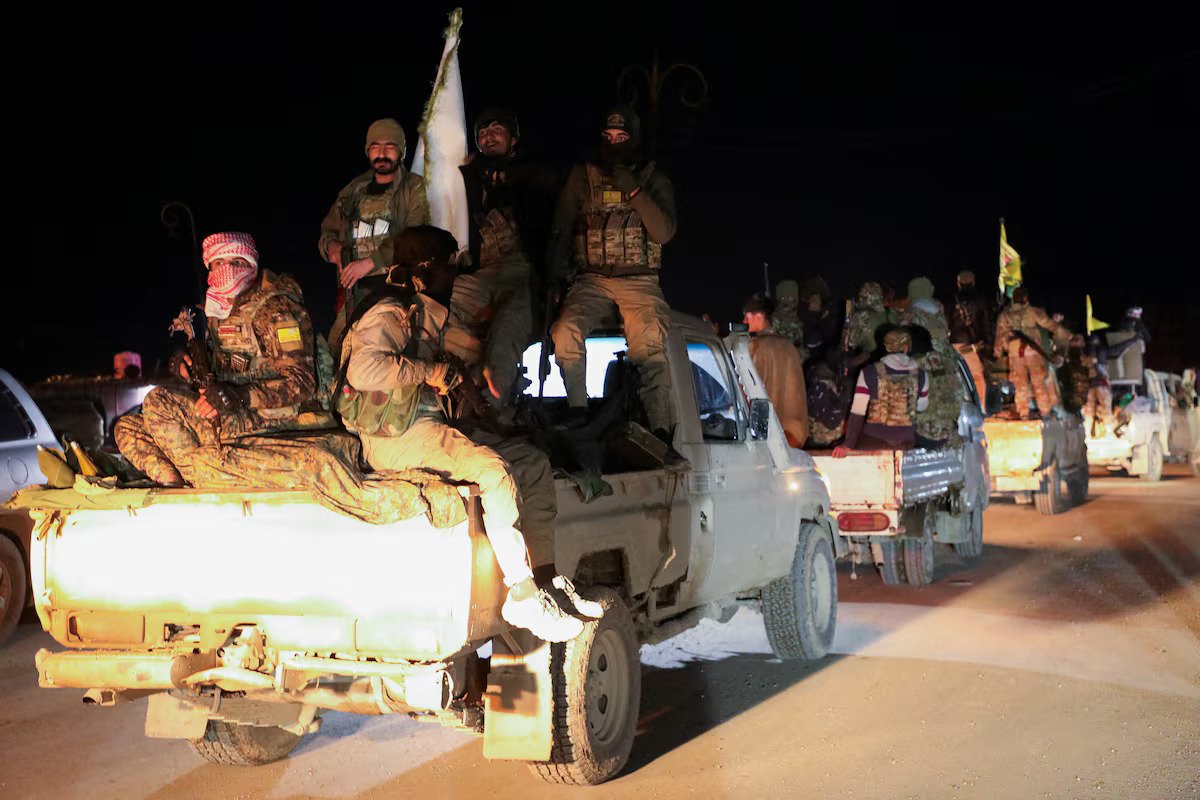
The transfers began after the collapse of the Kurdish-led Syrian Democratic Forces (SDF), which had been guarding around a dozen detention facilities holding IS fighters and affiliated civilians, including foreigners.
Iraq has made clear that the presence of IS prisoners on its soil is temporary. Baghdad has since urged Muslim and Western nations to repatriate their citizens. The country is pushing the detainees’ more than 67 countries of origin to repatriate their citizens.
As of early February, 142 Moroccans were among the 5,046 detainees already processed in Iraqi custody, alongside nationals from France, Germany, Turkey, Russia, and China.
The security official told Reuters that Rabat is drafting an action plan that takes into account “the diversity of the population targeted by the procedure, namely the fighters, as well as the women who lived in the SDF camps in Syria, in addition to their children.”
According to the official, 1,667 Moroccan nationals traveled to Syria and Iraq as foreign fighters. Of those, 244 were detained in SDF-controlled prisons in northeastern Syria. Another 279 former fighters have already returned to Morocco.
The figures also point to a civilian dimension. Some 269 Moroccan women remain in the conflict zone along with 627 minors. Of those, 134 women and 354 children are held in SDF-run camps in northeastern Syria. A total of 125 women have returned to Morocco since the start of the Syrian crisis.
Not all countries are interested
Morocco has dealt with similar repatriation cases before. In March 2019, the country brought back eight fighters detained by the SDF. They stood trial and are now serving sentences ranging from 13 to 18 years on terrorism charges.
Human Rights Watch (HRW) has warned that detainees transferred to Iraq face risks of unfair trials, torture, and enforced disappearance. Several European countries, including the Netherlands, have refused to repatriate their nationals, insisting that trials should take place in the region.
Morocco’s willingness to develop a repatriation plan sets it apart from many Western governments that have resisted such moves for years.
Under Moroccan law, joining jihadist groups abroad is punishable by up to 10 years in prison.
The threat of radicalization remains a concern for Rabat. IS branches in Africa have recruited more than 130 Moroccan fighters in recent years, according to Haboub Cherkaoui, head of Morocco’s Central Bureau of Judicial Investigations (BCIJ).
The BCIJ, established in 2015, serves as Morocco’s primary counter-terrorism agency. It has dismantled dozens of militant cells and arrested more than 1,000 suspected jihadists since its creation.
The planned repatriation would mark a significant step in Morocco’s broader effort to manage the security and humanitarian fallout of the IS era, as countries across the region face growing pressure to take back their nationals from Iraqi custody.
