


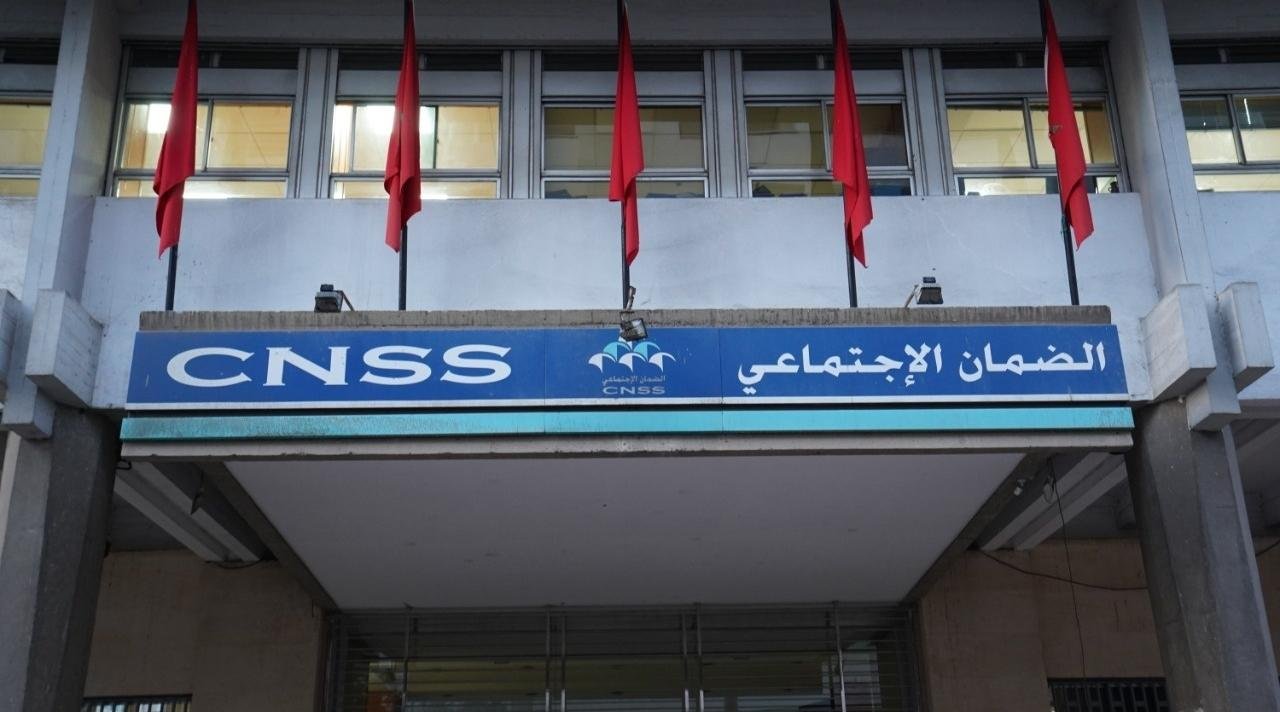
Rabat – Morocco’s House of Representatives approved a new law on Tuesday to reform the mandatory basic health insurance system. The bill was adopted by a majority vote, with 95 members in favor and 40 against, and without any amendments.
The draft law (No. 54.23) changes and completes Law No. 65.00 on mandatory health insurance. Its main measure is the merger of the National Fund of Social Welfare Organizations (CNOPS) into the National Social Security Fund (CNSS). As a result, CNSS will become the single body responsible for managing mandatory basic health insurance in Morocco.
The bill had already been approved by the Social Sectors Committee on December 29.
The debate around the bill revealed strong opposition. MP Said Baaziz criticized the government for rejecting all proposed amendments during the plenary session. He questioned why the bill was not sent back to the second chamber and warned that the opposition may turn to the Constitutional Court, and accused the government of overstepping Parliament’s powers.
Idriss Sentissi, head of the Haraki parliamentary group, also criticized the government for not setting clear deadlines for issuing the regulatory texts linked to the law. He described this as a lack of respect for the legislative institution.
Presenting the bill, Minister of Health and Social Protection Amine Tehraoui said the reform is part of the implementation of Framework Law No. 09.21 on social protection. The goal is to create a single authority to manage mandatory health insurance and ensure better coordination between its components, he explained.
The minister confirmed that CNSS will now manage health insurance for the public sector, previously handled by CNOPS. Existing agreements with mutual insurance organizations will continue for a period to be set by decree. Beneficiaries’ rights will be maintained, and affected employees will be automatically transferred while keeping their pension and insurance benefits.
Read also: Parliament Committee Approves Health Insurance Bill to Merge CNOPS into CNSS
He also noted that student health insurance has become less necessary with the generalization of health coverage. Students can now benefit as dependents of insured family members or be automatically included in the “AMO Tadamoun” scheme. The law also raises the age limit for dependent children who are still studying from 26 to 30 years and allows foreign students to benefit from health insurance through special agreements.
Parliamentary majority groups said the law responds to the needs created by the expansion of health insurance coverage. They argued that merging the systems will reduce fragmentation, improve governance, ensure fairness in access to healthcare, and strengthen the financial sustainability of the system.
The reform represents a big structural change in Morocco’s social protection framework and could improve efficiency while reducing inequalities in access to health services, they added.
Meanwhile, opposition parties highlighted several risks linked to the merger. These include differences between the two funds in service quality, contribution rates, coverage levels, and compensation procedures. They also raised concerns about delays in processing files and managing costly or long-term illnesses.
The opposition MPs finally raised financial concerns, particularly CNOPS’ deficit, which reached MAD 1.28 billion in 2023. They warned that this could place additional pressure on CNSS and threaten its financial stability.
The MPs also criticized the absence of a detailed evaluation study of previous management experiences, especially CNOPS, and warned that technical and administrative challenges could negatively affect service quality after the merger.
