


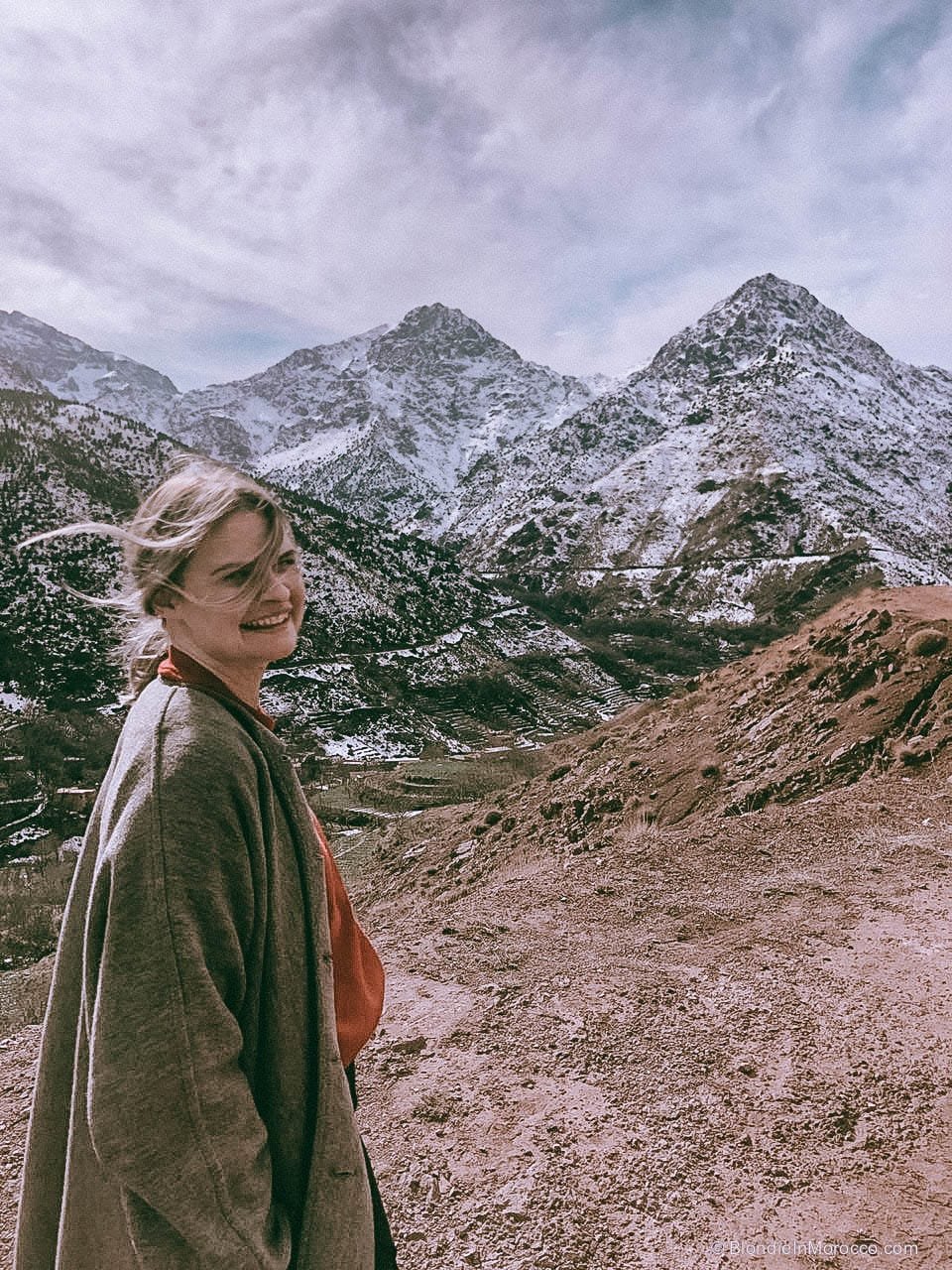
Morocco winter travel – is there any difference from other seasons? I mean, it’s Africaaa, so always sunny? The truth is, Morocco has a real winter, though it is often misunderstood. Winter in Morocco is not defined by extreme cold, but by strong temperature contrasts depending on location and time of day. Days can be mild and sunny, while nights can be cold. When visiting Morocco in winter, preparation matters more than the headline temperature. After spending 10 years in Morocco, I can definitely tell you more about Morocco winter travel.
Morocco Winter Travel: What to Expect
Winter and regional differences
Morocco winter travel conditions vary significantly by region. The Atlantic coastal areas around Agadir remain relatively stable due to Atlantic influence, while the Sahara desert regions experience large temperature swings between day and night. Essaouira is always way colder/windier than Marrakech or Agadir.
In Marrakech, Casablanca, Rabat regions, daytime temperatures can reach around +18–20°C, but evenings and mornings often drop sharply to around +4–7°C (rarely -0). The Atlas mountain regions are subject to sudden weather changes, including road closures during snowfall.
These regional differences mean that winter itineraries in Morocco benefit from flexibility rather than fixed schedules.
Snow in Morocco exists
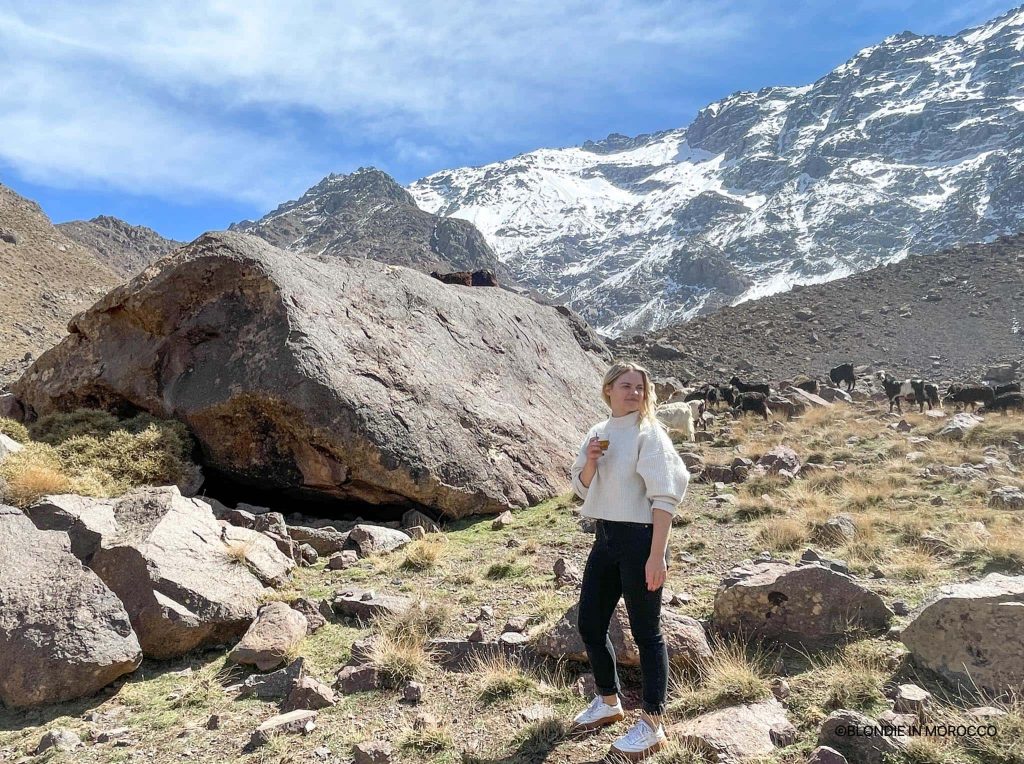
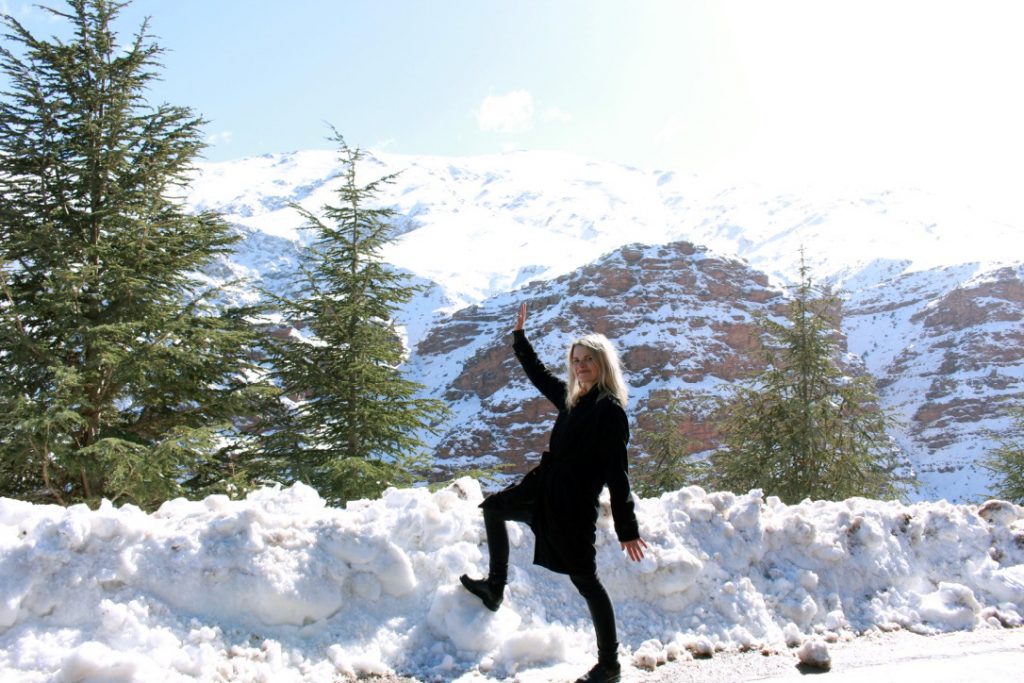
Travellers are often surprised, but yes, there is snow in Morocco —snow most commonly present from mid-December through January and, in some years, into February. We know when the snow is coming – if it starts raining a lot. Snow in Morocco occurs mainly in the Atlas Mountains, particularly around Oukaïmeden, Imlil (the Mount Toubkal area), and mountain passes above 2,000–2,500 metres, where snowfall occurs every winter. Oukaïmeden is Morocco’s only ski resort (very basic one) and the most popular snow destination for locals.
The Middle Atlas, particularly the Ifrane–Azrou region, is the most consistent area for snow in Morocco at lower elevations, with the city of Ifrane regularly receiving several snowfalls each winter and remaining cold for extended periods. Other snow-prone areas include the Bouiblane massif near Taza, the high plateaus around Midelt. Also, the Eastern High Atlas near Imilchil, around Dades valley, as well as the Tizi n’Tichka mountain pass – the highest mountain road in North Africa and the road toward the Sahara desert.
And don’t worry – snow is extremely rare or nonexistent in Marrakech, Agadir, Essaouira, Casablanca, Rabat, coastal areas, and desert regions.

Your Morocco trip begins here
10 years in Morocco. Boutique planning for curious travellers
Infrastructure and winter comfort


Morocco is not built for cold weather. One of the biggest winter challenges when visiting Morocco is accommodation. Central heating in Morocco doesn’t exist and almost all buildings rely on air-conditioning units operated in heating mode. Stone walls, tiled floors, and high ceilings make interiors feel colder than the outside temperature, especially at night and early morning. Of course, the new apartments and modern hotels now have installed interior heating systems and temperature control, but it is still not common.
In Morocco, winter travel requires choosing accommodation with reliable heating, such as an air-conditioning unit or a fireplace. Insulation standards are low, and heating is often limited to one or two rooms. Bathrooms are usually unheated, which can make mornings uncomfortable. My golden advice – take warm woollen socks or slippers for these cold floor tiles! As well, for the winter season in Morocco, especially in more rural areas, choose more expensive hotels.
Also, a funny fact, when I have Morocco travel consultations, often travellers just don’t understand how there can be no central heating system in houses, but then hey, remember Spain, or other Mediterranean countries – it is a very similar situation.
Visiting Morocco in December


Visiting Morocco in December falls into two distinct periods. Early December is relatively quiet, with mild weather and manageable travel conditions. In 2026, the beginning of December was still so warm, around +28 °C daytime. Then, from mid-December onward, temperatures begin to drop to even +13C, and the risk of snow increases in the mountains, particularly on routes crossing the High Atlas, such as the Tizi n’Tichka pass on desert itineraries.
IMPORTANT TO KNOW: The busiest Morocco travel season is around Christmas vacation, New Year’s – Morocco becomes very busy. In Marrakech, the Sahara desert, and Essaouira, so many places are fully booked (or increase their prices like crazy) from December 15 through January 10th.
Want to celebrate New Year’s in the Sahara Desert? Book desert camp at least 7 months prior. Also, check my article Best places to celebrate New Years in Morocco.
Visiting Morocco in January
Visiting Morocco in January, you will still find a very busy tourism season, as many take extended vacations to travel or escape the cold European weather. January is well suited for cultural travel, as medinas, museums, and historical sites are calmer and easier to visit. Desert trips are common due to clear skies, but nights are very cold, and warm clothing is essential. In January, the snow is still present in the mountain areas and other places I mentioned before – always check the weather forecast. The Best places to stay in Morocco in January are along the Agadir coast line – sunny, warm, perfect for surfing.
Visiting Morocco in February

Visiting Morocco in February, after the Christmas and New Year’s craziness finishes, is one of the quietest times of the winter season. After the holiday period ends, tourist numbers drop significantly, making it easier to explore cities like Marrakech and Fez without crowds. February marks a gradual transition toward spring, with day temperatures around +18–20°C, evenings and mornings around +7/10°C (rarely -0). Daylight hours increase, and daytime temperatures become more stable compared to January, although nights remain cold. February is often better for longer road trips, as mountain conditions are generally more predictable by the end of the month, though snow is still possible at higher elevations.
Practical Tips for Visiting Morocco in Winter
- PACK FOR LAYERS: light clothing for daytime and warm jackets for evenings, plus thermal layers for mornings.
- WARM SOCKS are essential, as tiled floors in riads and hotels are very cold, even with heating.
- CHECK WEATHER – If travelling by car, especially on desert routes crossing the Atlas Mountains, always check weather conditions in late December and early January and allow extra travel time in case of snow.
- WHERE TO LOOK FOR MORE SUN. If you want more sun and beach vibes, choose areas around Agadir, Taghazout, Imsouane, Legzira etc.
- HEATERS – when booking accommodation, ensure the room has an air-conditioning/heating system. Choose more luxury desert camps with the same airco.


Winter activities and limitations
- Winter in Morocco is well suited for city exploration, cultural travel, and food-focused itineraries, as sightseeing is more comfortable without summer heat.
- It is also the best season for surfing in Morocco, with consistent swells along the Atlantic coast, especially around Taghazout, Agadir, and the Essaouira region, making winter ideal for surfing and windsurfing.
- High-altitude trekking is limited in winter and should only be planned with close attention to weather conditions.
- Desert trips remain popular, but night temperatures can drop close to freezing, so appropriate clothing and accommodation are essential.
- February can be perfect time to travel as it is not so touristy season (double check what are the Ramadan dates in Morocco).
Conclusion
Visiting Morocco in winter can be rewarding with realistic expectations. December is festive but crowded, January is still bit crowded and cold, while February is more quiet offers a gradual shift toward spring. Morocco winter travel is shaped by regional differences, cold nights, and mountain conditions rather than severe cold. With proper planning, winter is a practical and often underrated time to visit Morocco. To summarise, winter in Morocco is a great time to travel, you should definitely come and visit.
