

Close Menu
21stNews21stNews

    Subscribe to Updates

    Get the latest creative news from FooBar about art, design and business.

    What's Hot

    InwiDAYS 2026 to Place AI at Center of Business Innovation

    March 24, 2026

    Unveiling the Enchantment: A Desert Excursion Adventure

    March 24, 2026

    Morocco Ranked 15th Most Valuable National Team at $432 Million

    March 24, 2026
    Facebook X (Twitter) Instagram
    • About Us
    • Contact Us
    • Privacy Policy
    • Terms and Conditions
    Pinterest Facebook LinkedIn
    21stNews21stNews
    • Home
    • Moroccan News
    • Industry & Technologies
    • Financial News
    • Sports
    Subscribe
    21stNews21stNews
    Home»Moroccan News»Hackers Have Found a New Way Around Two-Factor Authentication
    Moroccan News

    Hackers Have Found a New Way Around Two-Factor Authentication

    abdelhosni@gmail.comBy abdelhosni@gmail.comDecember 15, 20253 Mins Read
    Share Facebook Twitter Pinterest LinkedIn Tumblr Reddit Telegram Email
    Share
    Facebook Twitter LinkedIn Pinterest Email

    Mohammedia – Two-factor authentication has long been sold as a strong safety net for online accounts. The idea is simple: even if someone steals your password, they still can’t log in without a second code sent to your phone or generated by an app.

    For many users, that extra step feels like a guarantee of safety. But cybersecurity researchers are now warning that hackers have found a way around it — and the trick is almost impossible to notice.

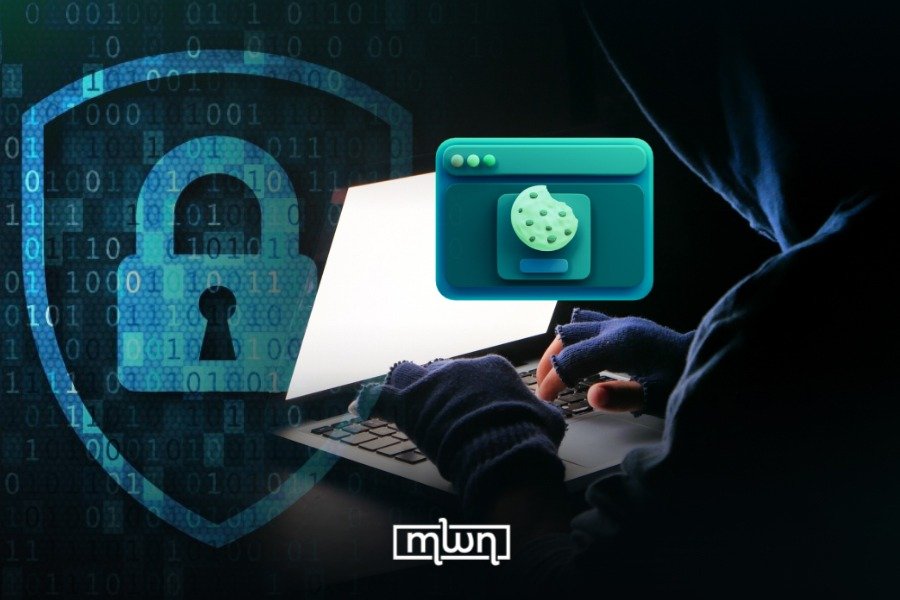
    The method doesn’t rely on guessing codes or breaking into phones. Instead, attackers are targeting something most users never think about: session cookies.

    These are small files saved by your browser after you log in. They tell a website, “Yes, this person is already verified.” If a hacker gets hold of that cookie, they don’t need your password or your two-factor code anymore.

    Security researchers say this type of attack is becoming more common, thanks to a phishing tool called Evilginx. It allows hackers to quietly slip between a user and the real website they are trying to access, without raising suspicion.

    How the attack works without raising alarms

    The attack usually starts with a link. It can arrive by email, text message, or social media, and it leads to what looks like a normal login page for a bank, email service, or social network. The design is familiar, the address looks convincing, and the browser even shows the HTTPS lock icon.

    When the user enters their username and password, the fake page sends that information to the real website in real time. The legitimate site then asks for the second authentication code. The user receives the code, enters it, and successfully logs in — or so it seems.

    Behind the scenes, the hacker’s server captures the session cookie created at that moment. This cookie proves to the website that the user has already passed all security checks. The attacker copies it and sends the user on their way, fully logged in and unaware anything is wrong.

    With that stolen cookie, hackers can open the account in their own browser as if they were the owner. They don’t need the password again. They don’t need a new code.

    They can read emails, change account settings, access personal data, or even move money, depending on the service. This access lasts until the session expires or is manually cut off.

    What makes this attack especially dangerous is how invisible it is. Nothing looks broken. No warning appears. Many victims only find out days later, after noticing strange activity or getting an alert from their bank or email provider.

    Experts say there are ways to reduce the risk. Users should be extremely cautious with unexpected links and always double-check website addresses before logging in.

    More secure options, like physical security keys, offer better protection against phishing. If there’s any suspicion of a breach, logging out of all active sessions can instantly block attackers by invalidating stolen cookies.

    Online security has become a moving target — and hackers are learning how to slip through the gaps without being seen.

    Read also: Cybersecurity in 2026: The 10 Biggest Digital Threats on the Horizon

    Share. Facebook Twitter Pinterest LinkedIn Tumblr Email
    Previous ArticleFormula 1 car launches: 2026 dates, schedule ahead of preseason testing, new regulations
    Next Article DJ Lagway to enter transfer portal: Best fits for former Florida QB
    abdelhosni@gmail.com
    • Website

    Related Posts

    Moroccan News

    Unveiling the Enchantment: A Desert Excursion Adventure

    March 24, 2026
    Moroccan News

    UAE Confirms Death of Moroccan National in Iranian Missile Attack on Bahrain

    March 24, 2026
    Moroccan News

    WMO Flags 2025 as Among the Hottest Years on Record

    March 24, 2026
    Top Posts

    How Google Gemini Helps Crypto Traders Filter Signals From Noise

    August 8, 202524 Views

    DeFi Soars with Tokenized Stocks, But User Activity Shifts to NFTs

    August 9, 202522 Views

    DC facing $20 million security funding cut despite Trump complaints of US capital crime

    August 8, 202521 Views
    News Categories
    • AgriFood (178)
    • Financial News (1,632)
    • Industry & Technologies (1,465)
    • Moroccan News (1,620)
    • Sports (1,314)
    Most Popular

    South Africa’s Sports Minister Joins the Anti-Morocco Bandwagon

    March 20, 20265 Views

    King Mohammed VI to Perform Eid Al Fitr Prayer at ‘Ahl Fès’

    March 19, 20265 Views

    Morocco’s Sardine Export Ban Rattles Spain’s Canning Industry

    March 19, 20265 Views
    Our Picks

    MENA Startup Investment Declines, Morocco Among Least Funded

    January 14, 2026

    UIR Hosts Key Stop of CIH Bank’s 2025 University Hackathon Tour UIR Hosts Key Stop of CIH Bank’s 2025 University Hackathon Tour

    December 6, 2025

    CAF Imposes Heavy Sanctions on Algeria with $100K Total Fines

    January 22, 2026

    Subscribe to Updates

    Get the latest creative news from FooBar about art, design and business.

    • Home
    • About Us
    • Privacy Policy
    © 2026 21stNews. All rights reserved.

    Type above and press Enter to search. Press Esc to cancel.

    Go to mobile version