


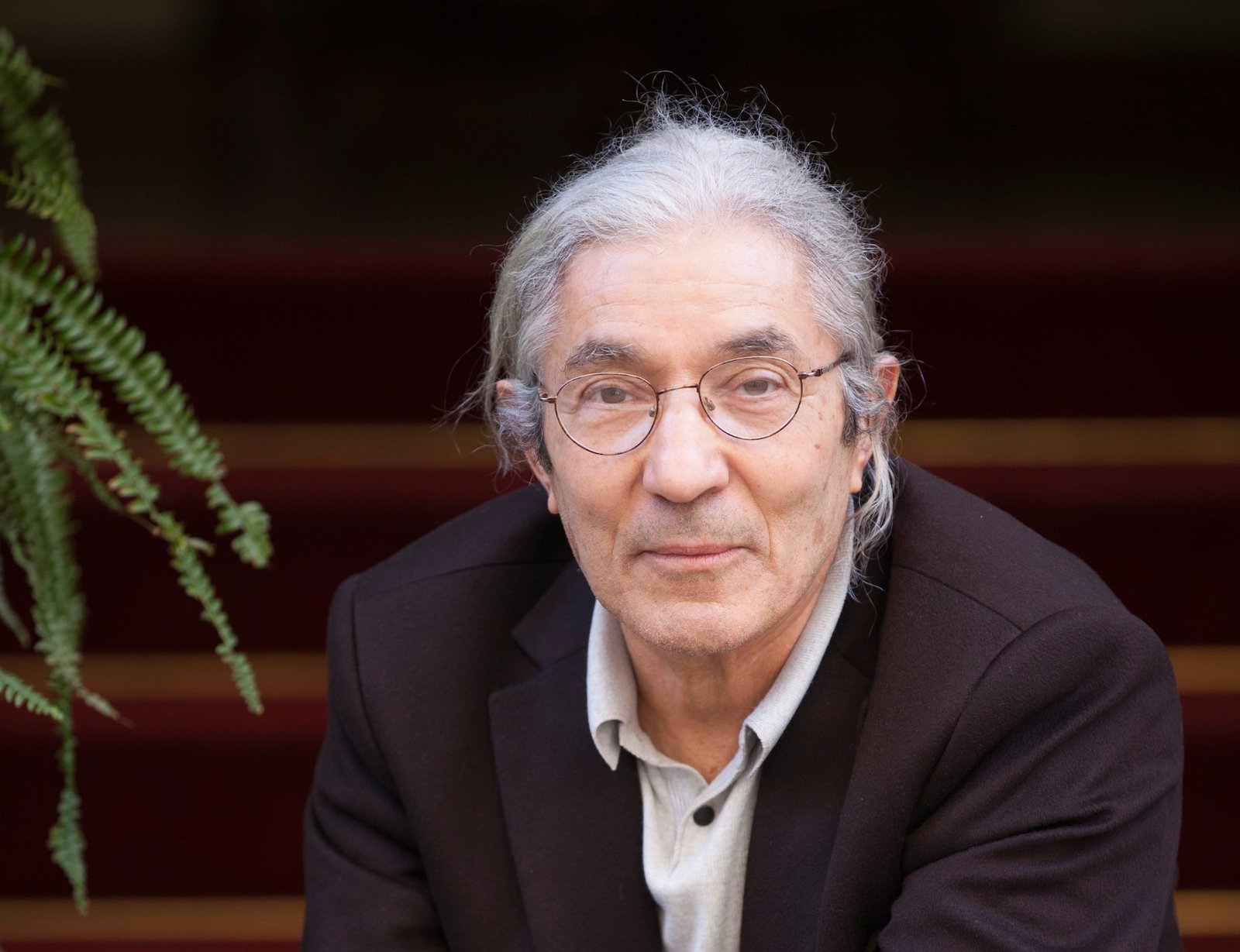
Rabat – French-Algerian writer Boualem Sansal has returned to France, a week after being pardoned and released by the Algerian government, his support committee announced on Tuesday. Before making his way back to France, Sansal had been staying in Germany since his release last Wednesday.
The International Support Committee for Boualem Sansal expressed deep emotion at his return, saying: “It will now be up to the writer to choose the moment and the formats in which he wishes to speak. The Committee will fully respect this time of rest, recovery, and regained freedom.”
One of Algeria’s most prominent contemporary authors, Sansal had been sentenced to five years in prison in Algiers for “attacking national unity.” His arrest came after statements he made in October 2024 to the French far-right media outlet Frontières, in which he sharply criticized the Algerian government and its policies.
He also stated that parts of Algeria historically belonged to Morocco. Algerian authorities considered his remarks controversial and a challenge to national cohesion.
His sentencing sparked international criticism. Human rights groups, literary organizations, and fellow writers condemned the imprisonment, calling for his immediate release and highlighting concerns over freedom of expression in Algeria. Many saw Sansal’s arrest as part of a broader pattern of government repression against dissenting voices.
Born in 1949 in Algeria, Sansal is known for his novels and essays that tackle political, historical, and social issues, often drawing attention to authoritarianism, corruption, and human rights abuses. He has lived both in Algeria and France, where he continues to write and speak on critical issues.
Sansal has received several literary awards for his work and has been recognized internationally for his courage in addressing sensitive topics.
His arrest and subsequent condemnation by Algerian authorities sparked widespread international support, especially among writers and intellectuals. Organizations like PEN International, Amnesty International, and numerous European literary groups urged Algerian authorities to respect freedom of speech and release the writer.
