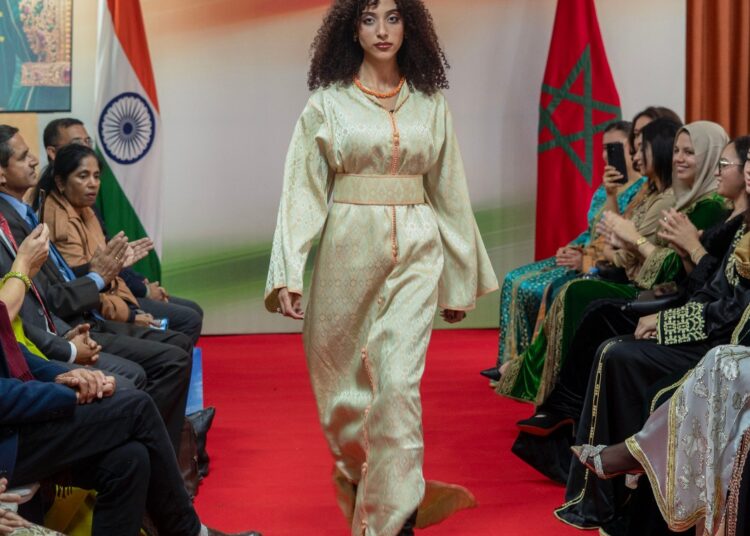



Rabat – India’s ambassador to Morocco, Sanjay Rana, has celebrated Morocco’s Caftan inclusion on the UNESCO Intangible Cultural Heritage list.
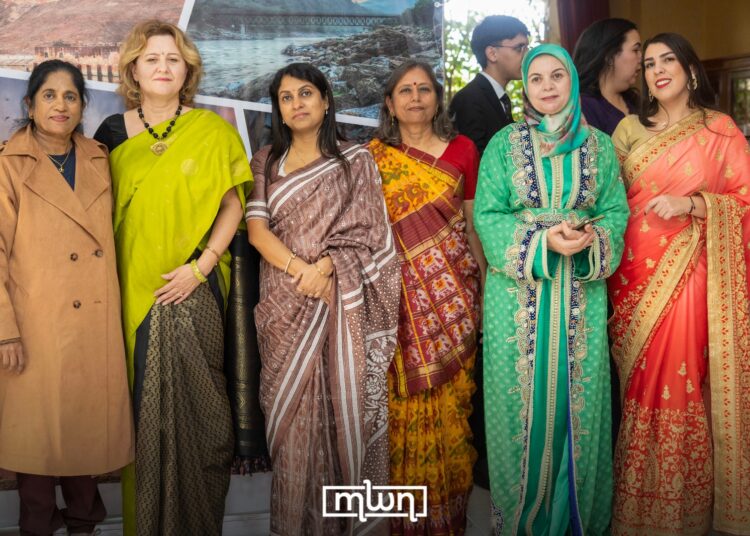
He made his remarks during a cultural event that the embassy of India organized in Rabat to celebrate both Morocco’s caftan and India’s iconic saree.
“Today is a day where we are celebrating the Moroccan caftan and Indian saree,” Ambassador Sanjay Rana told Morocco World News (MWN)
He described India and Morocco as “very good friends,” stressing that the primary aim of the embassy’s cultural event was to celebrate the Moroccan caftan’s inclusion on the UNESCO list.
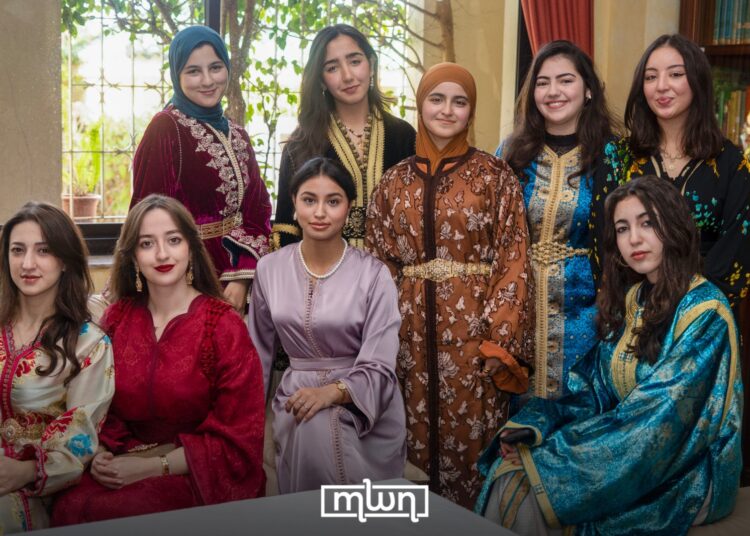
The event honored heritage, craftsmanship, and fashion in a harmonious blend, showcasing the artistry and cultural richness of both countries.
The ambassador made similar remarks earlier this month in an interview with MWN during an event at Rabat’s Chellah Archeological Site.
“The success of the Moroccan caftan to be inscribed in the UNESCO list of Intangible Culture of Humanity and the success of India for the inscription of the Festival of Lights, Deepavali, in the list of Intangible Culture of Humanity,” he told MWN. “It’s a big occasion for both India and Morocco.”
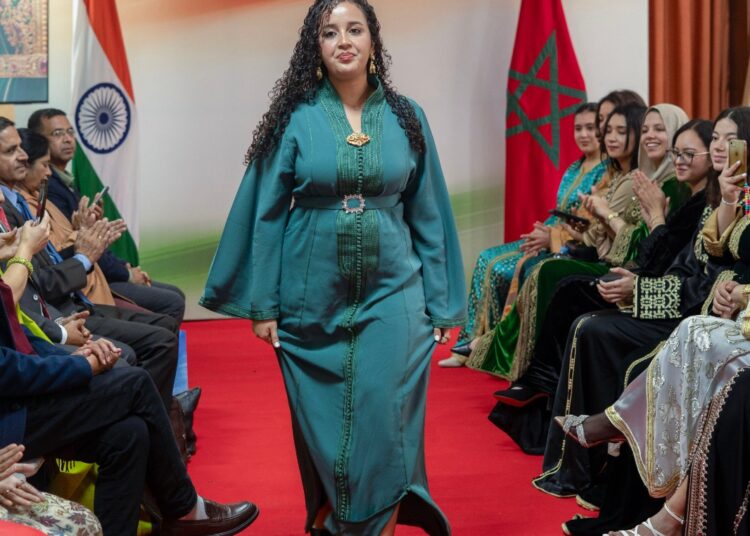
The event featured Indian music and dance performances. The embassy organized the program in cooperation with Morocco’s Ministry of Culture and the Rabat Region Historical Heritage Company.
India’s new event in Rabat today comes just weeks after UNESCO officially recognized the Moroccan caftan as part of its Intangible Cultural Heritage. 
The recognition marks an end to attempts from many, including Algeria, which has for years been engaged in cultural appropriation of Morocco’s heritage.
The Ministry of Culture said this recognition represents a “new achievement for the Kingdom under the leadership of King Mohammed VI, who continues to give great attention to Moroccan culture and the protection of national heritage.”
For Morocco, the caftan is more than just a piece of clothing as it reflects the country’s identity passed through generations for over eight centuries.
“It represents exceptional technical and artistic heritage and is celebrated around the world,” stated the ministry.