


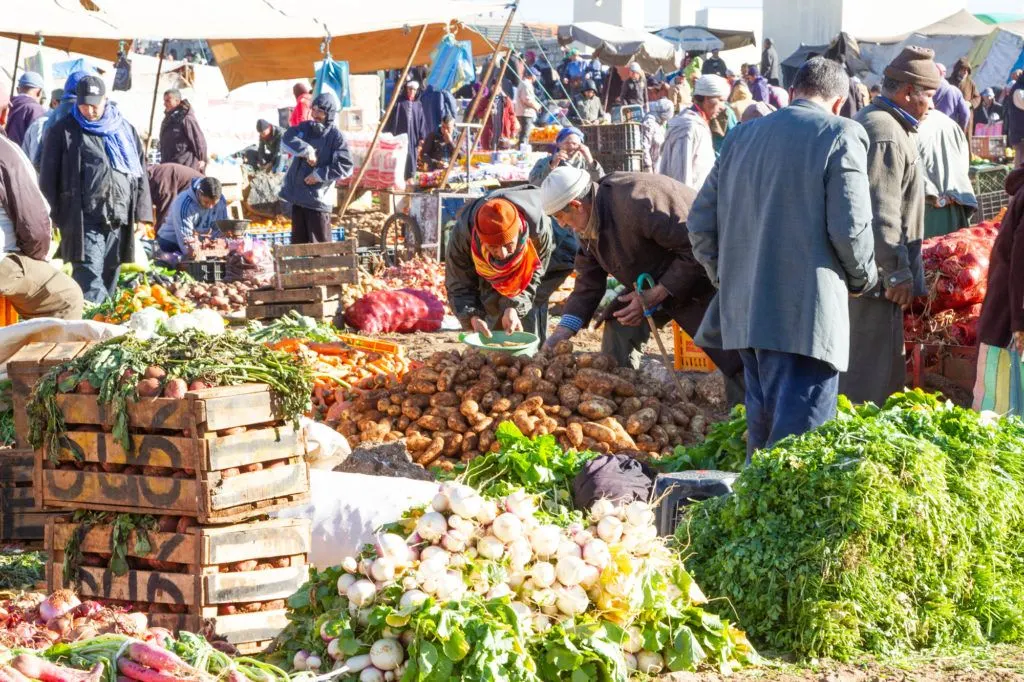
If you’re visiting Marrakech and craving something beyond the tourist-packed souks of the medina, let me tell you – there’s a whole other world waiting for you just an hour south of the city. I’m talking about the weekly Berber village markets that dot the foothills of the High Atlas Mountains, where local farmers, families, and merchants have been gathering for centuries to trade, socialize, and share a meal together.
After years of living in Morocco, these markets remain one of my absolute favourite things to recommend to visitors. They’re raw, authentic, colourful, and utterly unlike anything you’ll find in the medina. No pushy shopkeepers targeting tourists, no inflated prices, no guided shopping circuits – just real Moroccan life unfolding before your eyes.
In this guide, I’ll walk you through everything you need to know about visiting a Berber market near Marrakech, with a special focus on the famous Tuesday market in Amizmiz – widely considered the best weekly souk in the entire region.
Why Visit a Berber Village Market?
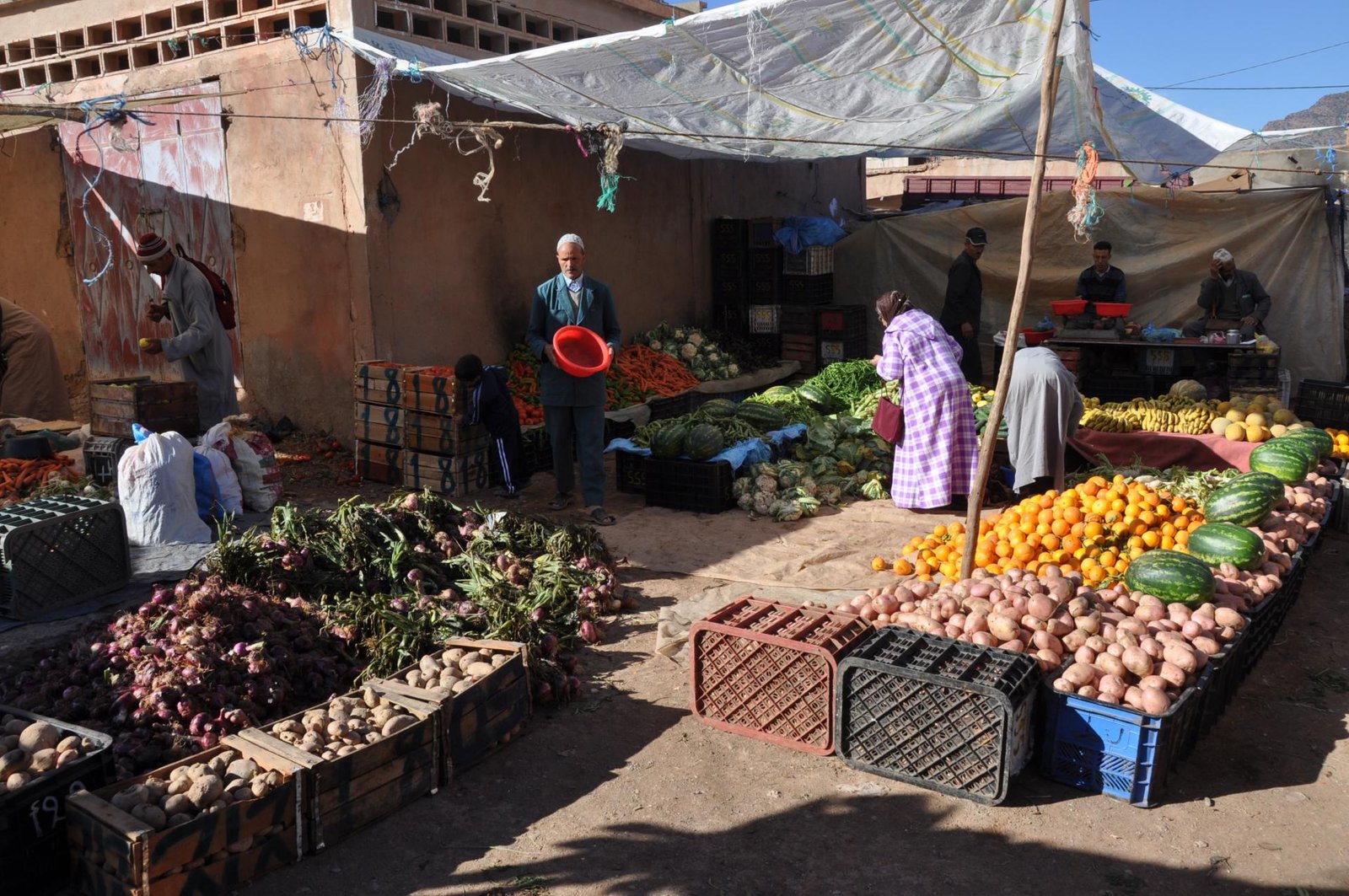
Let me paint you a picture. It’s early Tuesday morning, and from every direction – on foot, by donkey, crammed into shared taxis – hundreds of Berber farmers are making their way down from remote mountain villages to the small town of Amizmiz. They’re carrying sacks of grain, crates of seasonal vegetables, live chickens, handmade pottery, and bundles of fresh herbs. Meanwhile, merchants from Marrakech are unloading vans packed with tea, sugar, clothing, electronics, and all the goods that simply don’t reach those isolated mountain communities any other way.
This weekly gathering isn’t just about buying and selling. It’s the social event of the week. Families reconnect, friends catch up over mint tea, news is shared, and marriages are sometimes even arranged. For the Berber communities of the High Atlas, the weekly souk is the heartbeat of communal life – and it has been for generations.
As a visitor, you get to witness all of this firsthand. And the best part? With luck, you might be the only non-Moroccan there.

The Amizmiz Tuesday Market – My Top Pick
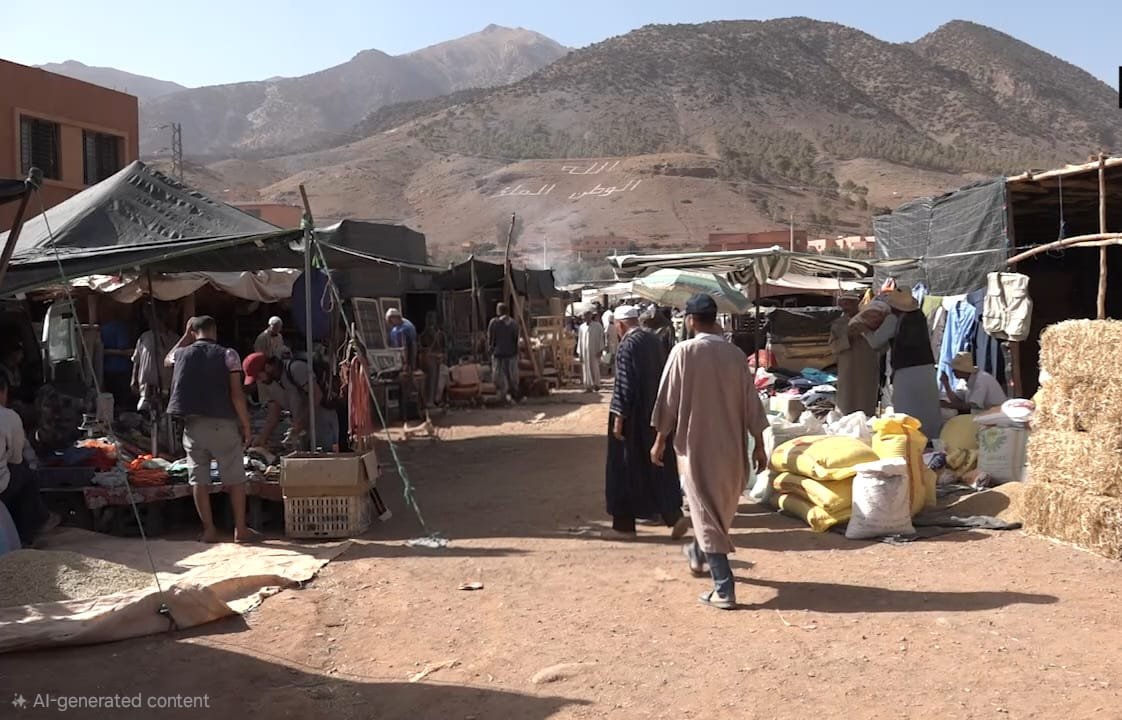
Amizmiz is a small Berber town of roughly 14,000 people, sitting about 55 kilometres south of Marrakech at the foot of the High Atlas Mountains. Its population is predominantly Amazigh (Berber), and most locals speak Tashelhit alongside Arabic and French.
The town has served as an economic crossroads between Marrakech and the mountain villages for centuries, and its Tuesday souk is the most famous weekly market in the region. Every Tuesday, the sleepy town transforms into a buzzing, vibrant marketplace that spills across open fields and narrow streets.
What You’ll Find at the Market
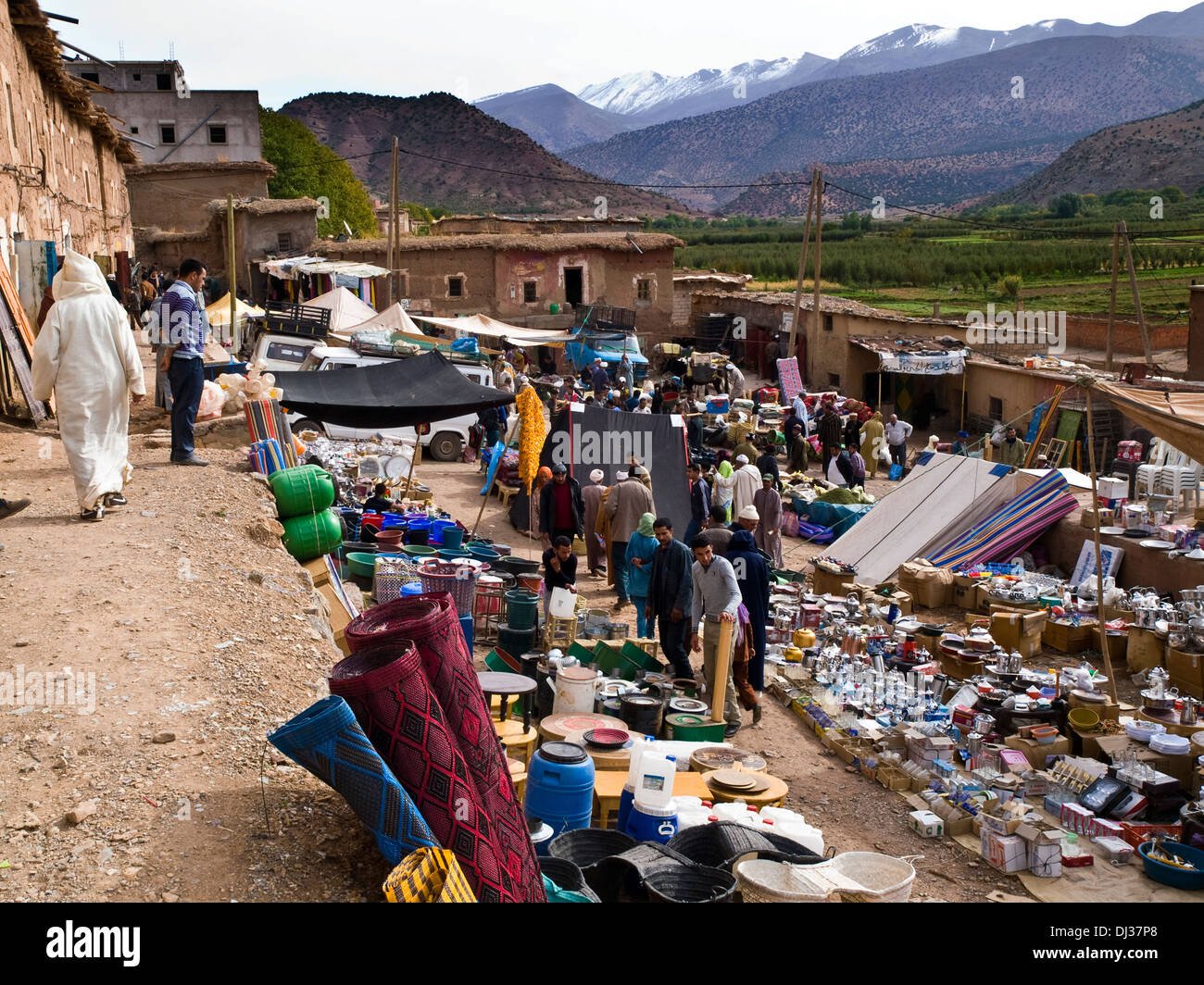
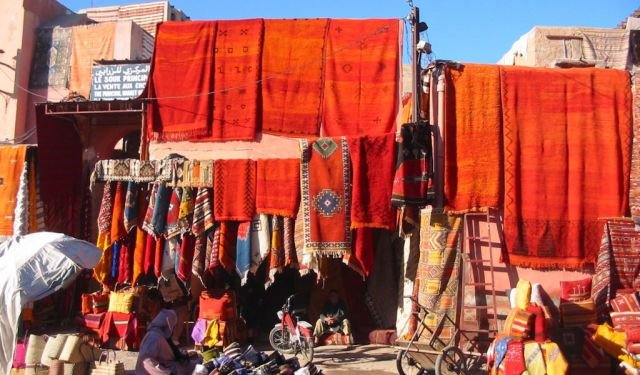
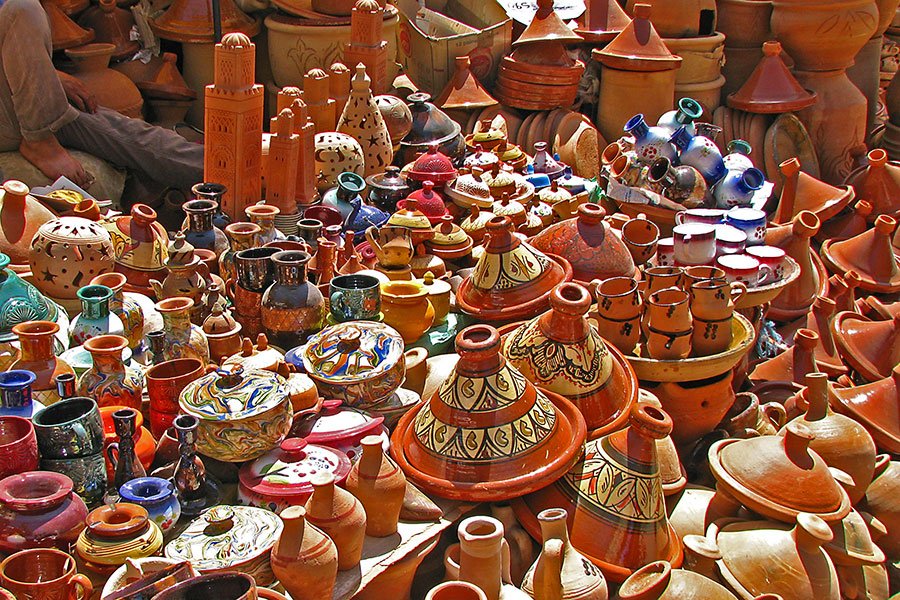
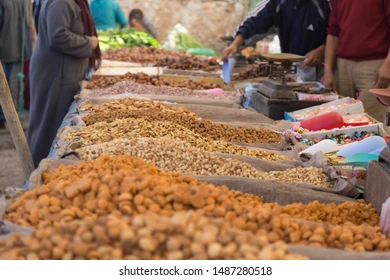
The Amizmiz souk is beautifully chaotic and wonderfully diverse. You’ll wander through sections dedicated to fresh produce – overflowing sacks of grains, pasta, dates, and seasonal fruits and vegetables. There’s a livestock area where farmers negotiate over sheep, goats, and chickens. You’ll find handmade pottery (Amizmiz is known for its potters), Berber rugs, traditional clothing, leather shoes, spices sold by the scoop, henna, and all manner of household goods.
One thing I love is that the market is “insanely repetitive” in the best way – you’ll see dozens of stalls selling the same things, which means the competition keeps prices wonderfully low. A beautiful tajine pot for a souvenir? You’ll pay a fraction of what it would cost in Marrakech’s medina.
There are also food stalls where you can eat an incredible lunch alongside local families. Some experienced visitors recommend buying your own meat and vegetables at the market stalls and bringing them to one of the cooks to prepare a fresh tajine for you right there. You’ll also find brochettes (grilled meat skewers), simple but delicious tajines, and freshly baked bread. Sitting down for a meal here, surrounded by Berber families doing their weekly shopping, is one of the most genuine cultural experiences you can have in Morocco.

Timing Your Visit
The market kicks off at sunrise and starts winding down before lunchtime. I’d recommend arriving by 9 or 10 AM to see it at its liveliest. Plan to spend one to two hours exploring, and if you can, stay for an early lunch – it’s well worth it. By early afternoon, most of the stalls will be packing up, so don’t plan a late visit.
How to Get from Marrakech to Amizmiz
You have several options, and honestly, getting there is part of the adventure.
Option 1: Shared Grand Taxi (The Adventurous Way)
This is my favourite option if you’re up for a true local experience. Head to the grand taxi stand near Bab Doukkala or take a petit taxi and tell the driver you want the grand taxi station for Amizmiz. Grand taxis are shared Mercedes vehicles that seat six passengers and depart when full. On a Tuesday, since it’s market day, there’ll be plenty of taxis heading to Amizmiz, though you may need to wait a little while all the seats fill up.
The cost? Around 18–50 dirhams per person each way (roughly 2–5 USD) – essentially pocket change. The ride takes about 45 minutes to an hour, and the scenery as you leave Marrakech and head toward the Atlas Mountains is gorgeous. For the return, just head back to the spot where your taxi dropped you off and find another grand taxi going to Marrakech. Simple.
Pro tip: You don’t need to speak Arabic or French to do this. Just say “Amizmiz” (pronounced AMZ-meez) to anyone at the taxi stand and they’ll point you in the right direction.

Option 2: Bus L45 (The Budget Way)
Bus line L45 departs from the Sidi Mimoun bus stop near Djemaa el Fna and runs to Amizmiz throughout the day. The cost is around 10–15 dirhams per person, and the journey takes about 1 to 1.5 hours with various stops along the way. Amizmiz is the last town on the route. Make sure to get off at the taxi stand area (after crossing a bridge over a dry riverbed), not the earlier stop at the roundabout.
Option 3: Private Taxi or Car & Driver (The Comfortable Way)
If you prefer the ease of a private transfer, expect to pay around 200 dirhams one way (about 400–500 dirhams round trip, roughly 40–50 USD). I’d actually recommend hiring a car and driver rather than a standard taxi, especially if you want to combine the market visit with other stops – like the Ourika Valley, the Agafay Desert for a camel ride, or lunch by a lake. For a full day with a car and driver, expect to pay somewhere in the range of 800–1,000 dirhams (about 80–100 USD) for the vehicle, which works for up to 3–4 passengers.
Do you need a guide? Honestly, not for the market itself. There’s nothing a guide can do for you there other than potentially increase the prices you pay for things. The market is straightforward to navigate on your own, and part of the magic is just wandering and soaking it all in. However, if you want to combine the market with a hike to a nearby Berber village or a lunch in a local home, a guide can be really worthwhile for that part of the experience.

Other Berber Market Days Near Marrakech
Can’t make it on a Tuesday? No worries – there’s a Berber market happening nearly every day of the week within an easy day trip from Marrakech. Here’s a handy overview:
|
Day |
Market Location |
Travel Time from Marrakech |
|
Monday |
Ourika Valley |
~80 minutes each way |
|
Tuesday |
Amizmiz |
~70 minutes each way |
|
Wednesday |
Ijoukak / Souihla |
~60 minutes each way |
|
Thursday |
Ouirghane |
~60 minutes each way |
|
Friday |
Tameslohte / Ghmat |
~60 minutes each way |
|
Saturday |
Asni |
~25 minutes each way |
|
Sunday |
Sidi Abdellah Ghiat |
~45 minutes each way |


Each of these markets has a similar feel – local, authentic, and far removed from tourism – but Amizmiz is generally considered the largest and most vibrant. If your schedule only allows one market visit, make it Amizmiz on a Tuesday.
Combining a Market Visit with Other Experiences
A question I get asked a lot is whether you can combine a market visit with a Berber village hike and a camel ride in a single day. The short answer is: absolutely, but it takes a bit of planning.
Most organized group tours from Marrakech that include a Berber village visit and camel ride won’t include a market stop. The reason is practical – the markets only happen on specific days, traffic around market towns can be heavy on those days, and there’s no profit in it for the tour operators. But if you hire a private car and driver for the day, you can absolutely create your own itinerary.
Here’s what a perfect Tuesday could look like:
Early morning: Drive to Amizmiz and explore the Tuesday market (1.5–2 hours)
Late morning: Enjoy an early lunch at the market – grab a tajine or brochettes with the locals
Early afternoon: Drive to the Ourika Valley or nearby area for a short hike to a Berber village
Late afternoon: Head to the Agafay Desert for a camel ride at sunset
Evening: Return to Marrakech, thoroughly Bewildered (in the best way)

Practical Tips for Visiting a Berber Market
Dress modestly. These are traditional, conservative communities. Cover your shoulders, chest, and knees. This isn’t just about respect – it’ll also help you blend in and have a more comfortable experience.
Bring small notes and coins. Most things at these markets cost very little, and vendors may not have change for large bills. Having plenty of 5, 10, and 20 dirham notes will make life easier.
Ask before photographing people. This is really important. Some locals don’t like being photographed, and others may expect a small tip. Always ask first – a smile and a gesture toward your camera goes a long way. Photographing the stalls, produce, and general atmosphere is generally fine.
Bargaining is expected but keep it friendly. Prices at local markets are already much lower than in Marrakech, so don’t go in expecting to haggle everything down to nothing. A bit of gentle negotiation is part of the culture, but remember these are real farmers selling their produce to make a living.
Bring sun protection and water. Even in March, the Moroccan sun can be strong. A hat, sunglasses, and sunblock are essential, and carry a bottle of water with you.
Learn a few words. Even just “Salam” (hello), “Shukran” (thank you), or “Bshhal?” (how much?) will earn you warm smiles. Most people in Amizmiz speak Tashelhit (Berber) as their first language, with Arabic and some French as well.
Start with mint tea. Before diving into the market, do what the locals do – sit down at one of the coffee houses near the taxi stand and soak in the atmosphere with a glass of sweet Moroccan mint tea. Watch the controlled chaos of merchants arriving in loaded vans and farmers leading donkeys through the crowd. It’s the perfect way to ease into the experience.
A Note About Visiting During Ramadan
If you’re visiting in March, be aware that Ramadan may overlap with your trip (dates change each year based on the lunar calendar). During Ramadan, the market will still operate, but you’ll notice some differences – the food stalls and cook stands will likely be closed during daylight hours, and people may be a bit less energetic as they’re fasting. You can still buy raw produce, pottery, clothing, and other goods, but you won’t get the full food experience.
Out of respect, avoid eating, drinking, or smoking in public during fasting hours. If you need to eat during a private taxi ride, most drivers understand that tourists have different needs, but it’s still considerate to be discreet about it.

Final Thoughts
After all my years in Morocco, the Berber weekly markets still give me goosebumps. There’s something incredibly moving about watching a centuries-old tradition continue to thrive – real people exchanging real goods, sharing real meals, and living real life, untouched by tourism.
If you have a free Tuesday during your week in Marrakech, please don’t spend it in the medina souks again. Jump in a grand taxi, ride through the stunning Atlas foothills, and lose yourself in the organised chaos of the Amizmiz Tuesday market. Buy a tajine pot, eat grilled meat with the locals, sip mint tea at a roadside café, and come back to Marrakech with a story that no guidebook could ever give you.
That’s the Morocco I fell in love with. And I promise, you will too.
• • •
Have you visited a Berber market near Marrakech? I’d love to hear about your experience! Drop a comment below or find me on social media. And if you’re planning your trip and have questions, don’t hesitate to reach out – helping fellow travellers discover the real Morocco is what Bewildered in Morocco is all about.