


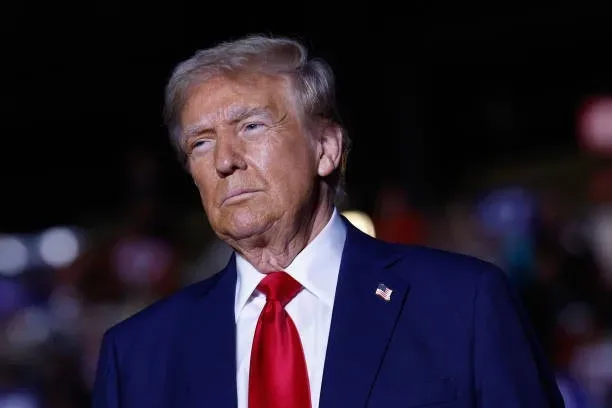
Rabat – The US Supreme Court on Friday struck down a large part of the “reciprocal” tariffs President Donald Trump imposed, ruling that he exceeded his constitutional authority.
In a 6-3 decision, meaning six of the nine justices agreed that the tariffs were illegal, the court said the president did not have the power to impose sweeping tariffs on nearly all imported goods under the guise of an economic emergency.
The ruling applies specifically to the tariffs Trump described as “reciprocal,” but does not affect certain sector-specific duties, such as those on automobiles, steel, and aluminum.
Trump called the decision a “disgrace” and said he has a backup plan to continue pursuing his trade agenda.
California Governor Gavin Newsom, a Democrat widely seen as a potential 2028 presidential candidate, urged the administration to refund American families and businesses. He said the tariffs acted as an “illegal tax” that raised prices for working families.
Read also: Trump Threatens Up to 25 % Tariffs on European Allies Over Greenland
“Donald Trump has been illegally taxing your groceries, furniture, and cars for over a year. Time for a refund,” he said on X.
Financial markets reacted positively, with the Paris stock exchange rising 1.39% to a record close. In New York, major indexes also moved higher. The S&P 500 was up 0.13% in afternoon trading, while the tech-heavy Nasdaq gained 0.84%, as investors welcomed the possibility of higher corporate profits and improved margins.
Canada said the ruling confirms its long-held position that Trump’s tariffs were “unjustified.” The United Kingdom said it would work with the US administration to understand the impact of the decision and support British businesses.
The European Union said it is studying the ruling carefully and called for stability and predictability in transatlantic trade.
German industry groups welcomed the court’s support for a rules-based trade order but warned that uncertainty remains. They noted that some key tariffs, including a 15% duty affecting parts of the auto sector, are not covered by the ruling.
Business groups in Britain also said the decision adds uncertainty, especially regarding how importers might recover previously paid tariffs.
