


Agadir – Tensions between the United States and Iran have sharply escalated after US President Donald Trump warned Tehran of severe consequences if it does not reopen the Strait of Hormuz immediately.
“Open the Strait, or you’ll be living in hell,” Trump said on April 5.
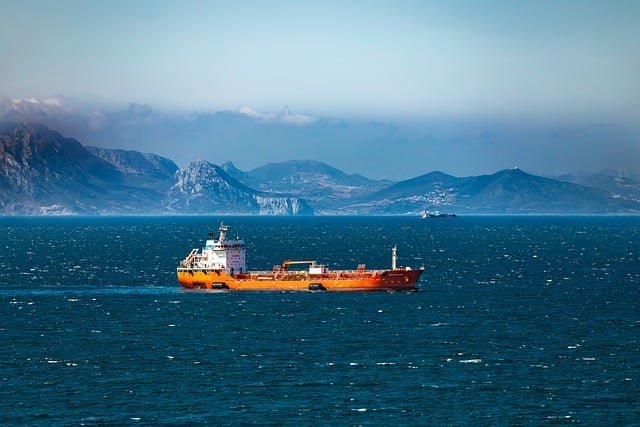
The Strait of Hormuz, through which roughly 20% of global oil supplies pass, has been disrupted amid the ongoing tensions, driving volatility in international markets and pushing oil prices above $100 per barrel.
According to Reuters, both parties received a proposed framework aimed at ending the conflict. However, Trump’s latest threats were followed by Iran’s refusal to accept key terms of the proposal, including the immediate reopening of the waterway.
The warning came alongside a 48-hour ultimatum, with Trump pledging major military action against Iran if the strait remains closed beyond the deadline.
“Remember when I gave Iran ten days to MAKE A DEAL or OPEN UP THE HORMUZ STRAIT. Time is running out – 48 hours before all Hell will reign down on them.” Trump stated.
The proposal, reportedly mediated by Pakistan, outlines a two-phase plan beginning with an immediate ceasefire, followed by broader negotiations toward a comprehensive agreement within 15 to 20 days.
Pakistan has taken a more active diplomatic role by hosting high-level talks aimed at de-escalation, bringing together the foreign ministers of Saudi Arabia, Türkiye, and Egypt.
In a statement, Pakistan’s Ministry of Foreign Affairs said the meetings “emphasize the importance of dialogue, de-escalation, and coordinated efforts for peace and stability in the region.”
Separately, Axios reported that the United States, Iran, and regional mediators have been discussing a potential 45-day ceasefire as part of a broader two-phase deal that could ultimately lead to a lasting resolution of the conflict.