


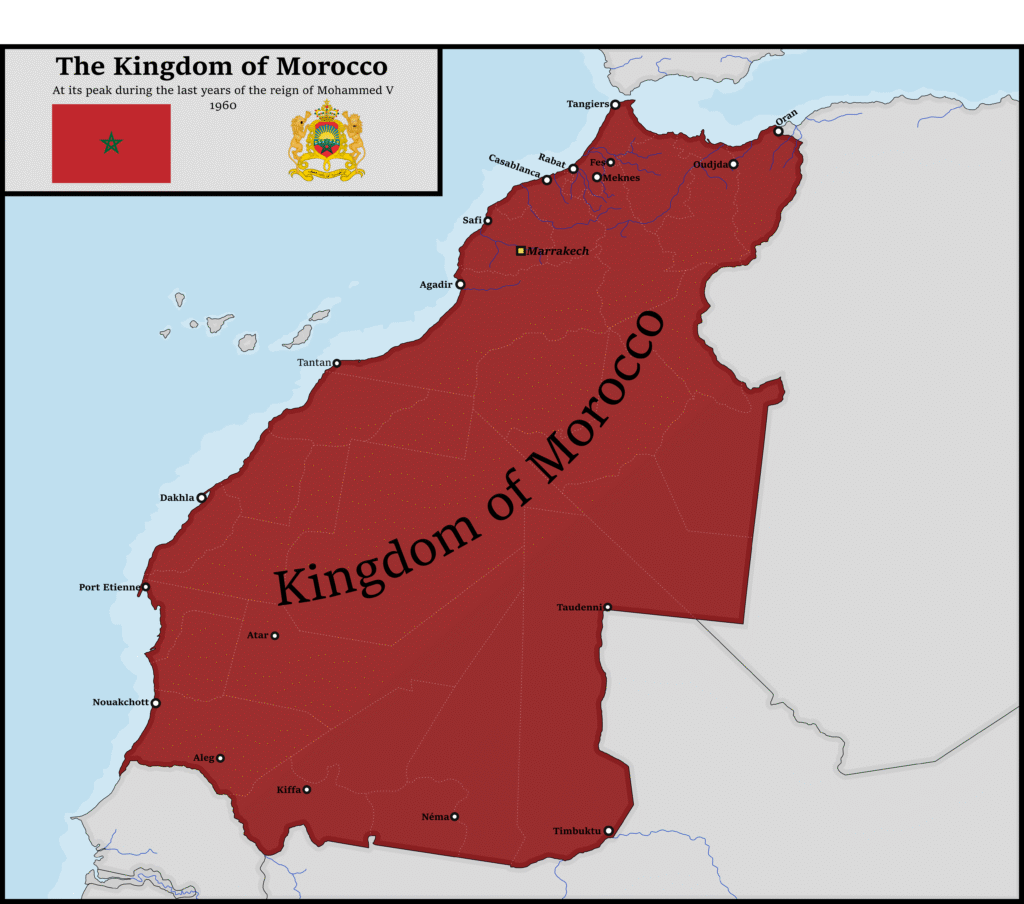
Located in North Africa, the Kingdom of Morocco boasts a rich and diverse history that spans millennia. From ancient Berber civilizations to Arab conquests and European colonialism, Morocco’s past is a tapestry woven with cultural influences and historical events that have shaped the country into what it is today.
Ancient Roots
The history of Morocco dates back to ancient times when it was inhabited by Berber tribes. These indigenous peoples established powerful kingdoms such as Mauretania and Numidia, known for their advanced societies and strategic trade routes across North Africa.
Arab Conquest and Islamic Influence
In the 7th century, Arab armies swept across North Africa, bringing Islam to the region and establishing the foundations of what would become modern-day Morocco. The Arab conquests introduced new customs, languages, and architectural styles that still influence Moroccan culture today.
Colonial Era
During the 19th and 20th centuries, Morocco fell under European colonial rule. The country was divided into French and Spanish protectorates, leading to significant social and political changes. The struggle for independence culminated in 1956 when Morocco regained its sovereignty under King Mohammed V.
Modern Era
Since gaining independence, Morocco has undergone rapid development and modernization while preserving its unique cultural heritage. The monarchy plays a central role in Moroccan society, with King Mohammed VI leading efforts to promote economic growth, social reform, and political stability.
Cultural Heritage
Morocco’s history is reflected in its vibrant arts, architecture, cuisine, and traditions. From the intricate tilework of Moorish palaces to the rhythmic beats of traditional music and dance, Moroccan culture continues to captivate visitors from around the world.
Exploring Morocco’s Past
Today, visitors to Morocco can explore ancient ruins, bustling medinas, and historic landmarks that offer glimpses into the kingdom’s storied past. Whether wandering through the narrow streets of Fez or admiring the grandeur of Marrakech’s palaces, every corner of Morocco tells a tale of resilience, innovation, and cultural exchange.
Exploring the Rich Tapestry of Morocco’s Historical Legacy: From Ancient Civilisations to Modern Sovereignty
- Rich and diverse history spanning millennia
- Influential ancient Berber civilizations and trade routes
- Arab conquest introduced Islam and cultural influences
- Struggle for independence led to sovereignty in 1956
- Monarchy promoting economic growth and stability
- Vibrant arts, architecture, cuisine, and traditions reflect cultural heritage
Challenges in Moroccan History: Colonial Legacy, Conflict, Cultural Assimilation, and Monarchical Power
Rich and diverse history spanning millennia
The Kingdom of Morocco boasts a rich and diverse history that spans millennia, offering a fascinating tapestry of cultural influences and historical events. From ancient Berber civilizations to Arab conquests and European colonialism, Morocco’s past is a testament to the enduring legacy of its people and the dynamic interactions that have shaped the country over thousands of years. This deep historical heritage provides a unique insight into the complexities and resilience of Moroccan society, making it a captivating destination for those eager to explore the depths of its past.
Influential ancient Berber civilizations and trade routes
The influential ancient Berber civilizations of Morocco played a pivotal role in shaping the kingdom’s history through their advanced societies and strategic trade routes. The Berbers established powerful kingdoms such as Mauretania and Numidia, fostering cultural exchange and economic prosperity across North Africa. Their intricate network of trade routes connected Morocco to distant lands, facilitating the exchange of goods, ideas, and technologies. The legacy of the Berber civilizations continues to resonate in modern-day Morocco, highlighting the enduring impact of their ingenuity and enterprise on the kingdom’s historical development.
Arab conquest introduced Islam and cultural influences
The Arab conquest of Morocco in the 7th century brought about a significant transformation, introducing Islam and a myriad of cultural influences that have left an indelible mark on the kingdom’s history. The spread of Islam not only shaped the religious landscape of Morocco but also influenced its art, architecture, language, and societal norms. The fusion of Arab customs with existing Berber traditions created a unique cultural tapestry that continues to define modern-day Morocco, making it a captivating destination where ancient heritage seamlessly blends with contemporary influences.
Struggle for independence led to sovereignty in 1956
The pro of the Kingdom of Morocco’s history lies in its remarkable struggle for independence, which culminated in the country achieving sovereignty in 1956. Through unwavering determination and resilience, Moroccans fought against colonial powers to reclaim their autonomy and establish a sovereign nation. This pivotal moment not only marked the end of European colonial rule but also signified a new era of self-governance and national identity for Morocco. The successful attainment of independence in 1956 remains a testament to the courage and unity of the Moroccan people in shaping their own destiny and preserving their rich cultural heritage.
Monarchy promoting economic growth and stability
In the Kingdom of Morocco, the monarchy plays a pivotal role in promoting economic growth and stability. Under the leadership of King Mohammed VI, initiatives have been implemented to drive forward economic development, attract foreign investment, and create opportunities for the country’s citizens. The monarchy’s focus on fostering a stable and prosperous economy has not only benefited Morocco’s financial landscape but has also contributed to social welfare and political stability, ensuring a promising future for the kingdom and its people.
Vibrant arts, architecture, cuisine, and traditions reflect cultural heritage
The vibrant arts, architecture, cuisine, and traditions of the Kingdom of Morocco serve as a vivid tapestry that beautifully reflects its rich cultural heritage. From the intricate tilework adorning ancient palaces to the rhythmic beats of traditional music echoing through bustling souks, every aspect of Moroccan culture tells a story of creativity, resilience, and centuries-old traditions. The fusion of Berber, Arab, and European influences has shaped Morocco into a unique melting pot of artistic expression and culinary delights, inviting visitors to immerse themselves in a sensory journey through the kingdom’s captivating history.
Colonial legacy
During the colonial era, Morocco experienced European domination that significantly influenced its social and political structure. The legacy of colonial rule continues to shape the country’s identity, with remnants of French and Spanish influence evident in architecture, language, and governance. The scars of colonization serve as a reminder of the challenges faced by Morocco in preserving its cultural heritage while embracing modernity. The colonial legacy underscores the complexities of Morocco’s history and its ongoing efforts to navigate a path towards progress while honouring its past.
Conflict and instability
Conflict and instability have been recurring challenges in the history of the Kingdom of Morocco, impeding the nation’s path to progress and development. Internal disputes and periods of unrest have at times overshadowed Morocco’s cultural richness and potential for growth. Despite efforts to overcome these challenges, the spectre of conflict has left a mark on the country’s historical narrative, underscoring the importance of fostering peace and stability for a brighter future.
Cultural assimilation
The Arab conquests and subsequent influences in the history of the Kingdom of Morocco have brought about cultural assimilation, particularly concerning the preservation of Berber traditions. The integration of Arab customs and values has raised concerns about the dilution of indigenous Berber cultures that have long been an integral part of Morocco’s identity. As these two distinct cultural threads intertwine, there is a delicate balance to be struck between embracing new influences and safeguarding the unique heritage and traditions of the Berber people.
Monarchical power
Despite the stabilizing influence of the monarchy on Morocco’s history, a significant con lies in the concentration of power within the royal family. While the monarchy has historically provided a sense of continuity and order, there are valid concerns about the potential implications of centralizing authority in a single entity. The issue of monarchical power raises questions about democratic governance, political accountability, and the distribution of decision-making authority within the country. Balancing the benefits of stability with the need for transparency and inclusivity remains a complex challenge for Morocco’s evolving political landscape.