


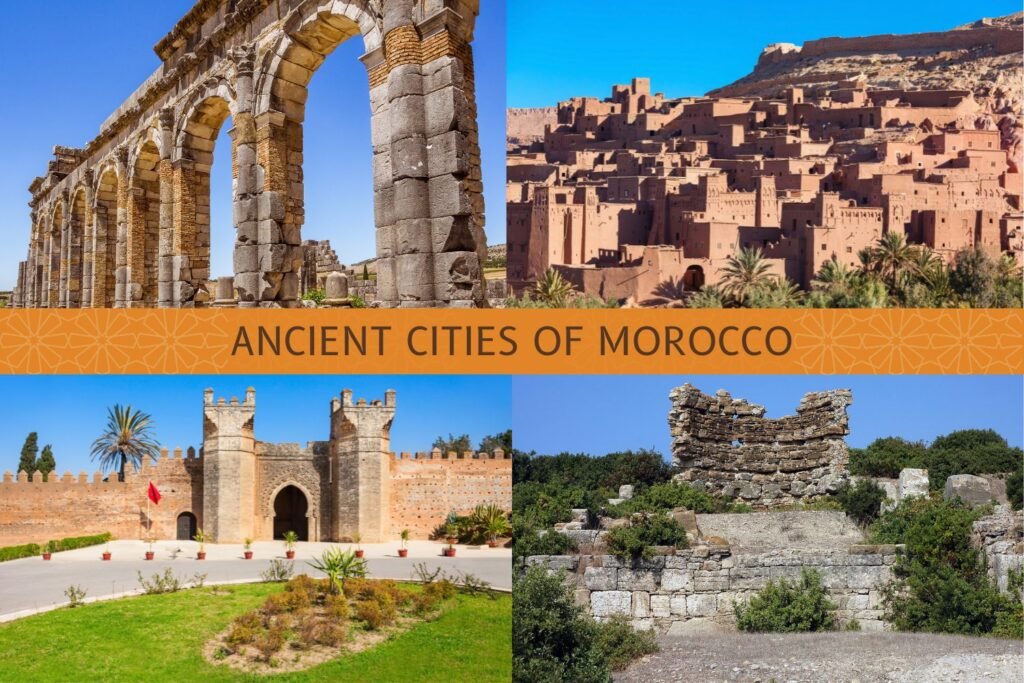
Located at the crossroads of Africa, Europe, and the Middle East, Morocco boasts a rich and diverse ancient history that has shaped its unique cultural identity. From prehistoric settlements to powerful empires, the land of Morocco has been witness to a tapestry of civilizations that have left their mark on its landscapes and people.
Prehistoric Roots
The history of Morocco dates back to prehistoric times, with evidence of human habitation dating as far back as 300,000 years ago. The region was home to early hunter-gatherer communities who left behind cave paintings and tools that provide insights into their way of life.
Phoenician and Carthaginian Influence
In ancient times, Morocco was colonized by the Phoenicians and later by the Carthaginians. These seafaring peoples established trading posts along the coast, introducing new technologies and goods to the indigenous Berber populations.
Roman Occupation
The Roman Empire extended its reach into Morocco in 146 BCE, establishing thriving cities such as Volubilis and Tingis (modern-day Tangier). Roman influence can still be seen in the well-preserved ruins scattered across the country.
Islamic Conquest
In the 7th century CE, Arab armies brought Islam to Morocco through a series of conquests. The Umayyad Caliphate established control over the region, leading to the spread of Islamic culture and architecture throughout Morocco.
Berber Dynasties
Throughout its history, Morocco has been ruled by various Berber dynasties such as the Almoravids, Almohads, and Merinids. These dynasties played a significant role in shaping Moroccan identity and establishing powerful kingdoms that controlled trade routes and influenced regional politics.
European Colonization
In the 19th and early 20th centuries, European powers including France and Spain colonized parts of Morocco. This period of colonization had a lasting impact on Moroccan society and politics, eventually leading to independence in 1956.
Preserving Ancient Heritage
Today, Morocco continues to preserve its ancient heritage through archaeological sites, museums, and cultural festivals that celebrate its diverse history. Visitors can explore ancient ruins, traditional medinas (old towns), and vibrant souks that offer glimpses into Morocco’s past.
From its prehistoric origins to its dynamic present-day culture, the ancient history of Morocco is a testament to the enduring legacy of civilizations that have flourished in this captivating land.
Exploring Morocco’s Ancient History: From Prehistoric Roots to Cultural Legacies
- 1. Rich prehistoric roots dating back to 300,000 years ago.
- 2. Influence of Phoenician and Carthaginian civilizations on early Moroccan society.
- 3. Well-preserved Roman ruins such as Volubilis showcase ancient architecture.
- 4. Spread of Islamic culture through Arab conquests in the 7th century CE.
- 5. Legacy of powerful Berber dynasties like the Almoravids and Almohads.
- 6. European colonization brought new technologies and infrastructures to Morocco.
- 7. Diverse heritage sites offer insights into Morocco’s historical significance.
- 8. Continuous efforts to preserve and celebrate Morocco’s ancient history.
Challenges in Unravelling Morocco’s Ancient Past: Scarce Records, Fragmented Sites, and Colonial Impact
1. Rich prehistoric roots dating back to 300,000 years ago.
Morocco’s ancient history boasts a fascinating pro with its rich prehistoric roots dating back an impressive 300,000 years. The land of Morocco has been inhabited by early hunter-gatherer communities who have left behind valuable remnants such as cave paintings and tools, offering a glimpse into the lifestyles and activities of our distant ancestors. This deep historical heritage provides a solid foundation for understanding the evolution of human civilization in Morocco and highlights the enduring connection between its past and present cultures.
2. Influence of Phoenician and Carthaginian civilizations on early Moroccan society.
The influence of Phoenician and Carthaginian civilizations on early Moroccan society was profound and enduring. Through their maritime trade networks and cultural exchanges, these ancient civilizations introduced new technologies, agricultural practices, and goods to the indigenous Berber populations of Morocco. The Phoenicians and Carthaginians established coastal trading posts that facilitated the exchange of goods such as pottery, metals, and textiles, enriching the local economy and fostering a spirit of cosmopolitanism in early Moroccan society. Additionally, their presence contributed to the development of urban centres and fortified settlements along the coast, laying the foundation for future interactions with Mediterranean powers and shaping the cultural landscape of Morocco for centuries to come.
3. Well-preserved Roman ruins such as Volubilis showcase ancient architecture.
One of the notable advantages of Morocco’s ancient history is the presence of well-preserved Roman ruins, exemplified by sites like Volubilis. These archaeological treasures offer a captivating glimpse into the intricate and sophisticated architecture of ancient times, providing a tangible link to the Roman influence that once permeated the region. The enduring presence of such historical landmarks not only enriches our understanding of Morocco’s past but also serves as a testament to the enduring legacy of classical civilizations in this diverse and culturally rich country.
4. Spread of Islamic culture through Arab conquests in the 7th century CE.
The spread of Islamic culture through Arab conquests in the 7th century CE marked a significant pro of ancient history in Morocco. The arrival of Arab armies introduced Islam to the region, leading to the establishment of a new cultural and architectural identity that continues to shape Moroccan society today. The fusion of Berber traditions with Islamic practices brought about a rich tapestry of art, music, and literature that reflects the enduring influence of this pivotal moment in Morocco’s history.
5. Legacy of powerful Berber dynasties like the Almoravids and Almohads.
The legacy of powerful Berber dynasties such as the Almoravids and Almohads in the ancient history of Morocco is a testament to the enduring influence of indigenous North African cultures. These dynasties not only shaped the political landscape of Morocco but also left a lasting impact on its architecture, art, and society. The Almoravids and Almohads were known for their military prowess, religious fervour, and architectural innovations, which can still be seen in the majestic structures they built across the region. Their legacy serves as a reminder of the rich heritage and resilience of the Berber people in shaping Morocco’s history and identity.
6. European colonization brought new technologies and infrastructures to Morocco.
During the period of European colonization, Morocco benefitted from the introduction of new technologies and infrastructures that significantly impacted the country’s development. The European powers, particularly France and Spain, brought advancements in transportation, communication, and urban planning to Morocco. The construction of railways, roads, and modern buildings improved connectivity and facilitated trade within the region. Additionally, the implementation of modern systems for governance and education helped to modernize Moroccan society and lay the groundwork for future progress. The legacy of European colonization in Morocco includes a lasting impact on its infrastructure that continues to shape the country’s landscape today.
7. Diverse heritage sites offer insights into Morocco’s historical significance.
Diverse heritage sites in Morocco provide invaluable insights into the country’s historical significance. From the Roman ruins of Volubilis to the medieval architecture of Fes and the ancient city of Marrakech, these sites showcase the rich tapestry of civilizations that have shaped Morocco over millennia. Exploring these heritage sites allows visitors to immerse themselves in the country’s vibrant history, offering a deeper understanding of its cultural heritage and historical importance on both regional and global scales.
8. Continuous efforts to preserve and celebrate Morocco’s ancient history.
Morocco’s commitment to preserving and celebrating its ancient history is a testament to the nation’s deep-rooted appreciation for its cultural heritage. Through continuous efforts, Morocco safeguards archaeological sites, museums, and traditions that showcase the richness of its past. By honouring and commemorating its historical legacy, Morocco not only fosters a sense of national pride but also invites visitors from around the world to engage with the country’s fascinating history. This dedication to conservation ensures that Morocco’s ancient treasures remain an integral part of its present-day identity, allowing future generations to connect with their roots and appreciate the enduring legacy of the past.
Limited historical records
Limited historical records pose a significant challenge when delving into Morocco’s ancient history. The passage of time, coupled with successive invasions and disruptions, has resulted in gaps in the detailed written accounts of certain periods. This scarcity of historical records makes it difficult for historians and archaeologists to reconstruct events with precision, leaving some aspects of Morocco’s ancient past shrouded in mystery and speculation. The absence of comprehensive documentation underscores the importance of piecing together fragments of evidence from archaeological findings and other sources to gain insights into the lesser-known chapters of Morocco’s historical narrative.
Fragmented archaeological sites
The fragmented preservation and excavation of ancient sites in Morocco present a significant con in the study of the country’s rich history. This disjointed approach often results in gaps in our knowledge of Morocco’s early civilizations and their interactions. Without comprehensive and coordinated efforts to protect and explore archaeological sites, valuable insights into the cultural, social, and economic dynamics of ancient Morocco may remain elusive. Efforts to address this challenge are crucial to piecing together the puzzle of Morocco’s past and gaining a deeper understanding of its historical significance.
Colonial influence
The colonial influence of European colonization on Morocco has significantly shaped the interpretation and preservation of its ancient history. The narratives surrounding Morocco’s past have often been viewed through a colonial lens, prioritizing European perspectives over indigenous viewpoints. This skewed portrayal has impacted how certain historical events and cultural heritage are understood and presented, highlighting the need to re-examine and reclaim Morocco’s ancient history from a more authentic and inclusive perspective that honours the indigenous narratives and contributions to the country’s rich heritage.