


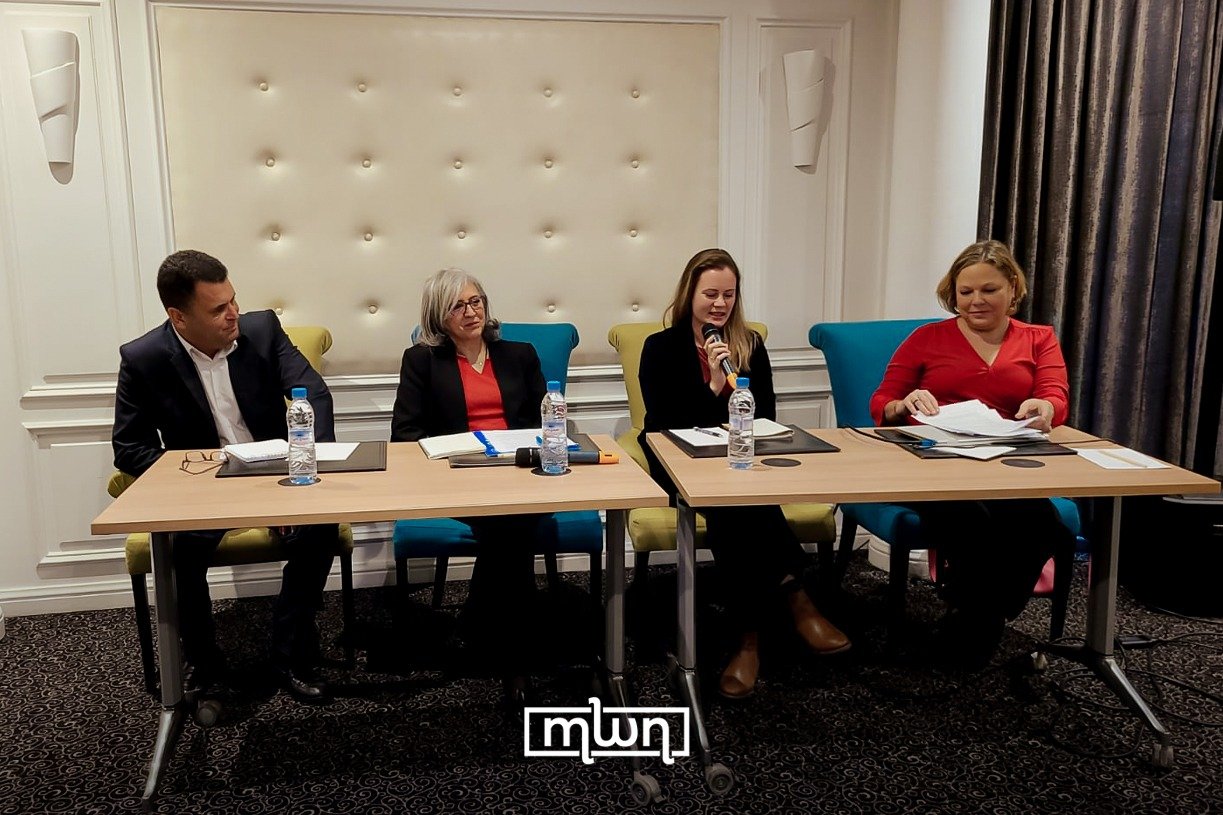
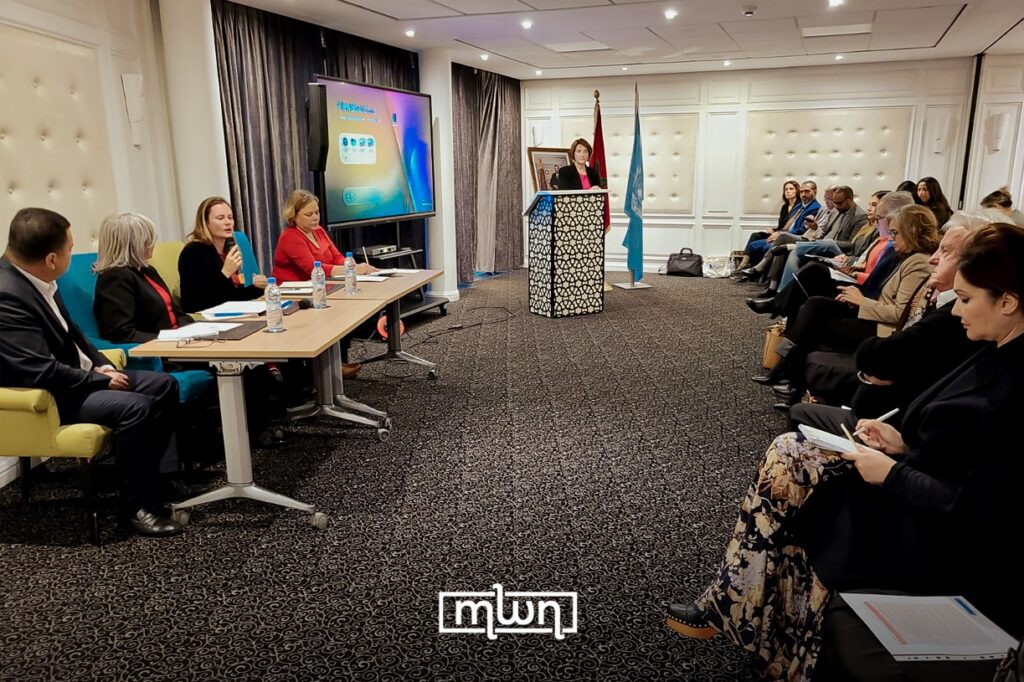
Rabat – With support from the Canadian government, UNESCO joined forces with the Moroccan Preschool Foundation (FMPS) to open on Monday a regional workshop on capacity building for Maghreb countries to accelerate the early childhood agenda.
The four-day workshop, running from November 24 to 27, aims to train participants on the use of EPPE-PATT and explore how it can strengthen preschool systems across the region. Delegations from Morocco, Tunisia, and Mauritania attended, alongside representatives from UNICEF and other technical partners.
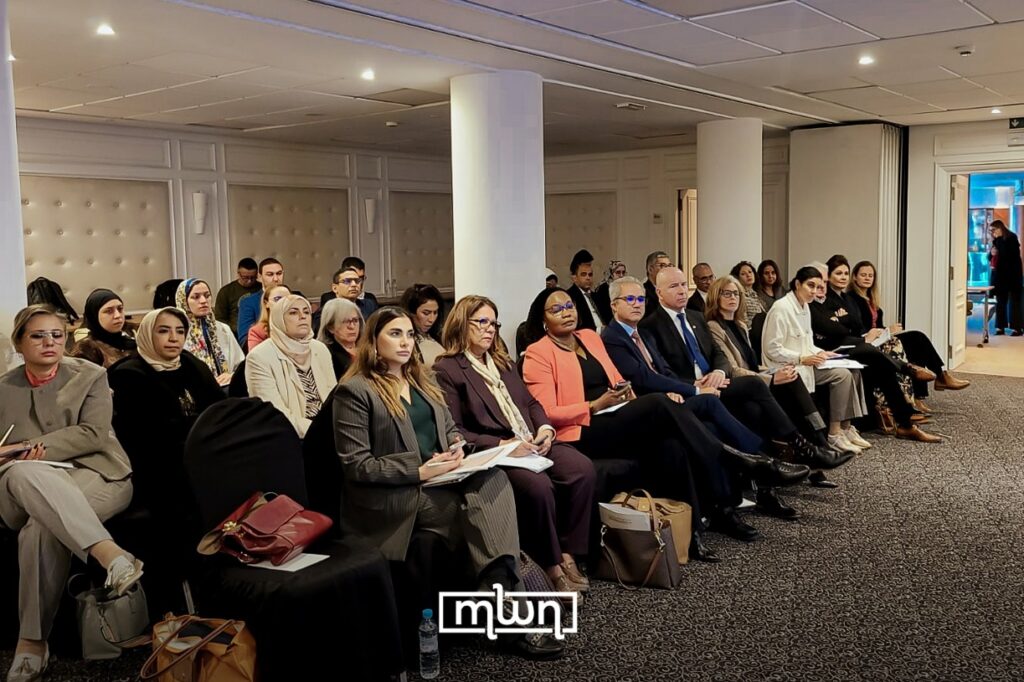
As the 2030 deadline for the Sustainable Development Goals approaches, countries face growing pressure to advance SDG 4.2, which calls for universal access to quality and equitable education.
To support this goal, UNESCO introduced EPPE-PATT (Early Childhood Education and Protection – Progress Assessment and Transformation Tool). The tool is designed to help countries assess the strengths and weaknesses of their early childhood systems. “[EPPE-PATT] is a tool for the country’s self-assessment of the early childhood education sector,” said Hélène Guiol, Education Program Manager at the UNESCO Office for the Maghreb.
Beyond helping countries assess their early childhood systems, EPPE-PATT also serves as a platform for dialogue among policymakers and practitioners. “This is also serving as a policy-dialogue tool for stakeholders to see where they are in terms of progress,” explained Rokhaya Fall Diawara, Education Program Specialist and ECCE Lead at UNESCO Paris.
The Maghreb has made progress in recent years, but gaps remain in access, quality, and governance, particularly between urban and rural areas. These challenges were highlighted in the Tashkent Declaration on Early Childhood Education (2022), which urged countries to fast-track reforms and invest in stronger, more equitable systems.
Challenges remain
Many challenges persist despite the progress. “There is a real challenge on quality,” FMPS Director General Dr. Nisrine Ibn Abdeljalil told Morocco World News. “It is very important for us to make sure that we have all the quality that we want in deploying this program.”
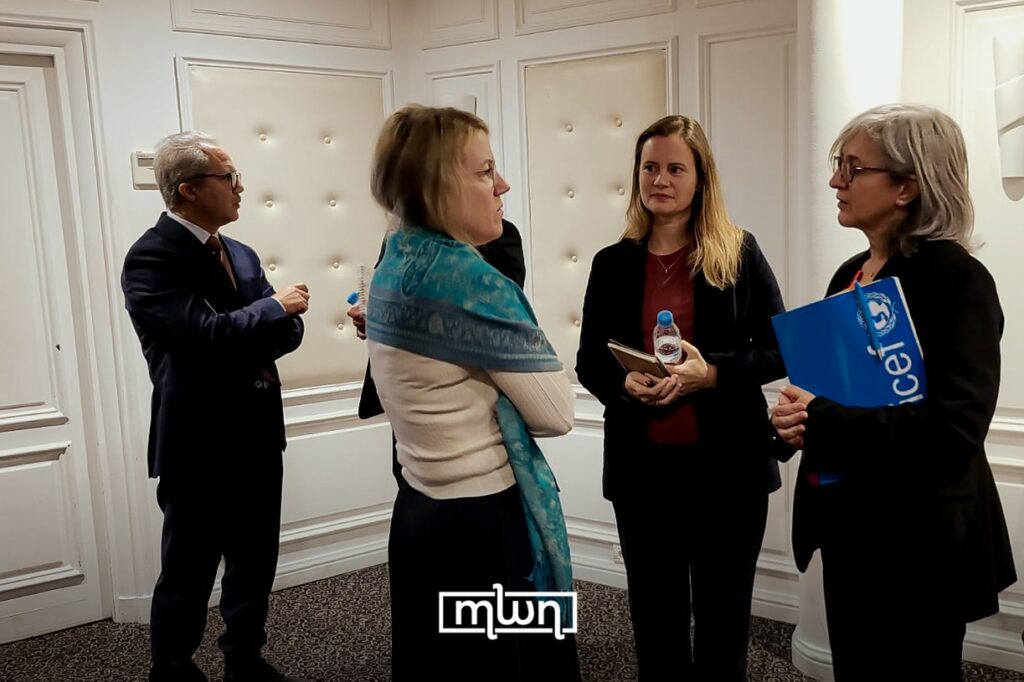
Another challenge is training, noted Guiol. She said, “One of the main challenges is the training … the quality of the provision depends highly on the quality of training on early childhood education staff.”
Guiol also emphasized the broader purpose of the tool, telling Morocco World News: “This tool is fully aligned with the principles of the Techken Declaration, which has four principles on governance, financing, policy, and participation in preschool education.” She added, “It helps to build a national consensus across practitioners and national players about the health and the good quality of early childhood education in the country.”
The workshop’s opening day concluded with a visit to the Yaacoub Al Mansour preschool in Rabat, managed by FMPS. The school serves as a real-life model showcasing an approach built on three main pillars: education, cognitive and sensory development, and learning.
Today’s opening session provided a general overview of the tool, its objectives, and key dimensions, while the following days will include exercises and group discussions to give participants a deeper understanding of EPPE-PATT and its practical applications.
