


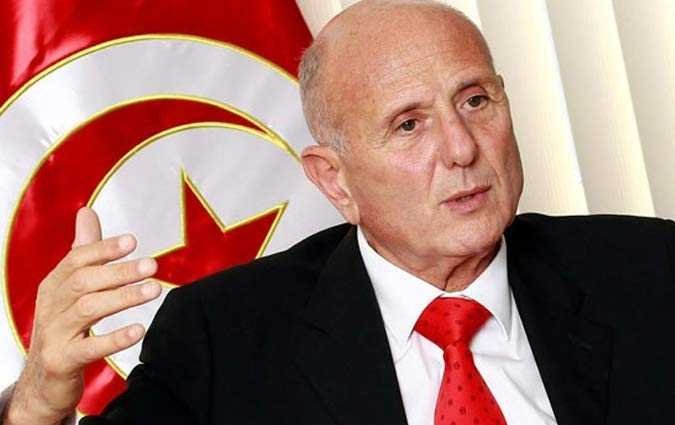
Rabat – Ahmed Nejib Chebbi, one of Tunisia’s most well-known opposition figures, was arrested on Thursday at his home. The arrest came a week after an appeals court sentenced the 81-year-old politician to 12 years in prison.
Amnesty International has denounced the move as part of a broader “blind repression” campaign by the Tunisian authorities.
Chebbi has been active in Tunisian politics for decades. A long-time left-wing opposition leader, he ran for president in the past and later helped create and lead the National Salvation Front (FSN), the main opposition coalition in the country.
After the 2011 revolution that ousted Zine El-Abidine Ben Ali, he briefly served as a government minister and later sat in the Constituent Assembly during Tunisia’s democratic transition.
His daughter, lawyer Haïfa Chebbi, confirmed to AFP that her father had been taken to Mornaguia prison, near Tunis. She said their house had been monitored for days by police cars and plain-clothes officers.
In a video recorded shortly before his arrest, Chebbi said he was going to prison “with a clear and pure conscience” because he had “committed no wrongdoing.” According to his daughter, he has “no hope” in Tunisia’s justice system but believes that President Kais Saied’s crackdown has helped unite the opposition.
Read also: Tunisia Erupts in Mass Protests Against President Kais Saied
Chebbi was tried alongside around 40 other opponents in a major case involving accusations of “plotting against state security” and “belonging to a terrorist group.” His initial sentence of 18 years was reduced to 12 in appeal. His arrest follows those of two other opposition figures, lawyer Ayachi Hammami and activist Chaïma Issa, who received five-year and twenty-year sentences in the same case.
Human rights organizations have strongly criticized the Tunisian government. Sara Hashash, deputy regional director at Amnesty International, said the arrests show the authorities’ “terrifying determination to silence peaceful opposition.” Ahmed Benchemsi of Human Rights Watch stated that Tunisia’s brief democratic hope “has officially closed,” adding that almost the entire political opposition is now either imprisoned or in exile, fifteen years after the 2011 revolution.
Since President Saied’s 2021 power grab, when he dismissed the government and took full control, Tunisian and international NGOs have warned of serious declines in rights and freedoms. Dozens of critics, including politicians, journalists, lawyers, and aid workers, have been detained under charges of conspiracy or spreading false information.
