


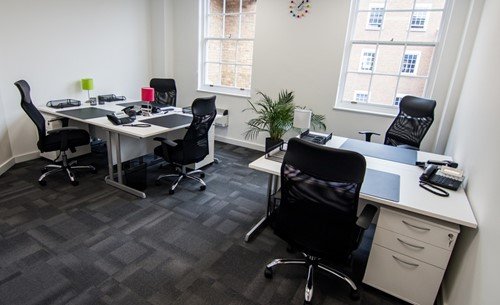
From the traditional cubicles of the past to the dynamic coworking spaces of today, the concept of the office has undergone a remarkable transformation. The office is not merely a physical space where work is done; it is a reflection of changing work culture, technology advancements, and employee expectations.
Evolution of Office Design
In the industrial era, offices were characterised by rigid hierarchies, closed doors, and fixed workstations. However, with the rise of knowledge-based industries and collaborative work environments, office design has evolved to promote interaction, creativity, and flexibility.
Open-plan layouts, breakout areas, ergonomic furniture, and green spaces are now common features in modern offices. These design elements aim to enhance employee well-being, foster collaboration, and boost productivity.
Impact on Work Culture
The physical layout of an office can significantly influence organisational culture. Open spaces encourage transparency and communication among team members. Shared amenities like communal kitchens or game rooms promote social interactions and a sense of community.
Flexible working arrangements, such as remote work options and hot-desking setups, have also redefined traditional notions of office hours and locations. This shift towards agile working practices reflects a growing emphasis on work-life balance and individual autonomy.
Technological Advancements
The integration of technology into office spaces has revolutionised how work is conducted. Cloud computing, video conferencing tools, collaborative platforms, and smart devices have made remote collaboration seamless and efficient.
Moreover, automation technologies like AI-powered assistants and workflow management systems streamline repetitive tasks, allowing employees to focus on more strategic initiatives. The digital transformation of offices has accelerated productivity and innovation across industries.
Looking Ahead
As we navigate an era marked by rapid technological advancements and changing workplace dynamics, the future of the office remains both exciting and uncertain. Concepts such as virtual reality offices, AI-driven workplace analytics, and sustainable design principles are poised to shape the next generation of workspaces.
While the physical form of the office may continue to evolve, its essence as a hub for collaboration, creativity, and professional growth remains constant. The modern office is not just a place where work gets done—it is a dynamic ecosystem that reflects our evolving relationship with work itself.
Exploring Modern Offices: Purpose, Design Evolution, and Emerging Trends
- What is the purpose of an office?
- How has office design evolved over time?
- What are the benefits of open-plan offices?
- How does technology impact modern office environments?
- What is hot-desking and its advantages/disadvantages?
- How can offices promote employee well-being?
- What are the current trends in office furniture and layout?
- Are remote work policies becoming more common in offices?
What is the purpose of an office?
The purpose of an office extends beyond being a physical space for work; it serves as a hub that facilitates collaboration, communication, and productivity within an organisation. Offices provide a centralised location where employees can come together to exchange ideas, coordinate tasks, and foster a sense of community. Furthermore, offices often embody the values and culture of a company, creating a shared identity among colleagues. By offering a dedicated environment for work activities, the office helps maintain focus, structure, and professional standards essential for achieving business goals effectively.
How has office design evolved over time?
Office design has undergone a remarkable evolution over time, reflecting shifting paradigms in work culture and technology. From the traditional cubicles and closed-door offices of the past to the contemporary open-plan layouts and flexible workspaces of today, the trajectory of office design has been shaped by a desire for collaboration, innovation, and employee well-being. Embracing elements such as natural light, ergonomic furniture, communal areas, and technology integration, modern office spaces prioritise flexibility, creativity, and connectivity. This evolution highlights a transition from static environments to dynamic hubs that foster interaction and adaptability in response to changing needs and preferences of employees.
What are the benefits of open-plan offices?
Open-plan offices are often praised for their ability to foster collaboration, communication, and creativity among employees. By removing physical barriers and promoting an open layout, these workspaces encourage spontaneous interactions and idea sharing. The increased visibility and accessibility of colleagues can lead to improved team dynamics, faster decision-making processes, and a sense of camaraderie within the workforce. Additionally, open-plan offices are believed to enhance flexibility in workspace utilization, promote a sense of inclusivity, and create a more vibrant and dynamic work environment that adapts to the evolving needs of modern businesses.
How does technology impact modern office environments?
Technology plays a pivotal role in shaping modern office environments, revolutionising the way we work and collaborate. From cloud-based software solutions that enable seamless communication and project management to smart devices that enhance productivity and connectivity, technology has transformed traditional office spaces into dynamic hubs of innovation. Automation tools streamline repetitive tasks, freeing up time for employees to focus on strategic initiatives, while virtual meeting platforms bridge geographical barriers, facilitating global teamwork. The integration of technology not only boosts efficiency and agility within organisations but also fosters a culture of flexibility and adaptability essential for thriving in today’s fast-paced business landscape.
What is hot-desking and its advantages/disadvantages?
Hot-desking is a flexible office arrangement where employees do not have assigned workstations but instead choose a desk or workspace on a first-come, first-served basis. This practice aims to maximise space utilisation, encourage collaboration, and promote a dynamic work environment. One of the key advantages of hot-desking is fostering interaction among team members from different departments, leading to cross-functional collaboration and knowledge sharing. Additionally, it can reduce real estate costs for companies by optimising office space usage. However, some disadvantages of hot-desking include potential disruptions to individual work routines, lack of personalisation in workspaces, and challenges in maintaining a consistent sense of belonging or ownership among employees.
How can offices promote employee well-being?
To promote employee well-being, offices can implement various strategies that prioritise the physical, mental, and emotional health of their workforce. Creating ergonomic workstations with adjustable furniture and adequate lighting can enhance comfort and reduce the risk of musculoskeletal issues. Providing access to natural light, green spaces, and communal areas can improve mood and productivity. Encouraging regular breaks, promoting work-life balance through flexible schedules, and offering wellness programmes such as yoga classes or mental health support services can also contribute to a positive work environment. Effective communication, recognition of achievements, and opportunities for professional development further foster a sense of belonging and motivation among employees. By investing in initiatives that support holistic well-being, offices can cultivate a culture of care and productivity within their workforce.
What are the current trends in office furniture and layout?
In response to the frequently asked question about current trends in office furniture and layout, it is evident that modern workplaces are embracing designs that prioritise functionality, flexibility, and employee well-being. Open-plan layouts with modular furniture arrangements encourage collaboration and adaptability to changing work dynamics. Ergonomic chairs, standing desks, and biophilic elements are becoming popular choices to enhance comfort and productivity. Additionally, the integration of technology-driven solutions such as wireless charging stations and smart furniture reflects the evolving needs of a digitally connected workforce. The shift towards agile workspaces that offer a blend of private focus areas and communal spaces underscores the importance of creating environments that support diverse work styles and promote creativity.
Are remote work policies becoming more common in offices?
Remote work policies are indeed becoming increasingly common in modern offices. With advancements in technology and changing work dynamics, many organisations are embracing flexible working arrangements to accommodate the preferences and needs of their employees. Remote work not only offers greater flexibility in terms of location and hours but also promotes work-life balance and boosts productivity. The shift towards remote work policies reflects a growing recognition of the benefits of allowing employees to work autonomously while staying connected through digital platforms. As remote work continues to gain popularity, it is reshaping traditional office structures and fostering a more agile and adaptable approach to how work is conducted.