


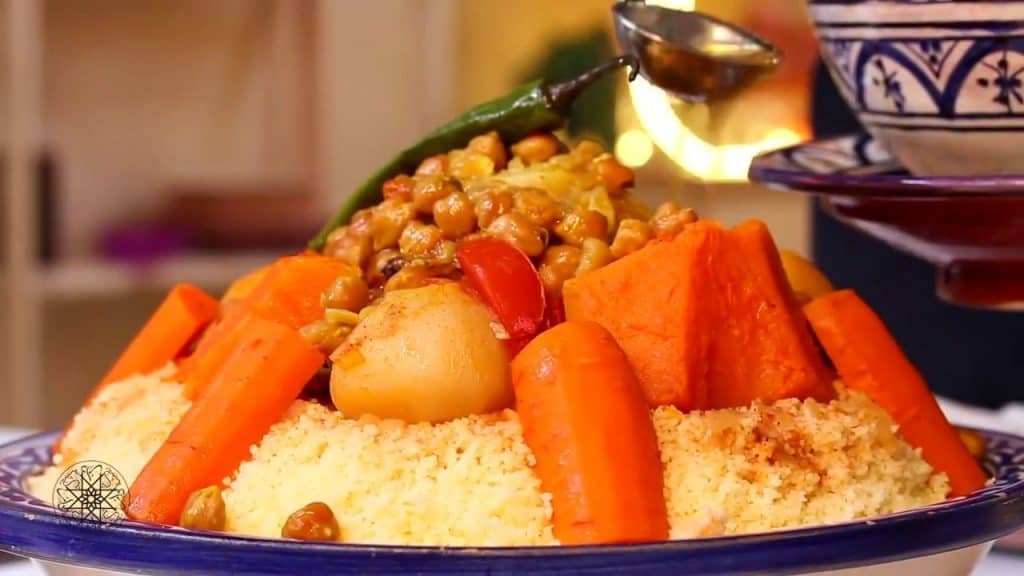
When it comes to Moroccan cuisine, there is one dish that stands out as a true representation of the country’s rich culinary heritage – the tagine. This iconic dish, named after the earthenware pot in which it is cooked, is a delicious and aromatic stew that has been enjoyed by Moroccans for generations.
Ingredients and Preparation
A traditional Moroccan tagine typically consists of tender meat (such as lamb, chicken, or beef), slow-cooked with an array of spices like cumin, cinnamon, saffron, and paprika. The meat is often paired with a combination of vegetables such as carrots, potatoes, and olives to create a harmonious blend of flavours.
To prepare a tagine, the ingredients are layered in the conical-shaped pot and left to simmer over low heat for several hours. This slow cooking process allows the meat to become incredibly tender and imbues the dish with complex flavours that are unique to Moroccan cuisine.
Symbolism and Tradition
The tagine holds a special place in Moroccan culture and is often served during festive occasions and family gatherings. It symbolises hospitality, warmth, and generosity – values that are deeply ingrained in Moroccan society.
Sharing a tagine with loved ones is not just about enjoying a meal together; it is an opportunity to connect, bond, and create lasting memories. The communal act of scooping up tender morsels of meat and vegetables with freshly baked bread fosters a sense of unity and togetherness.
Regional Variations
While the basic components of a tagine remain consistent across Morocco, each region adds its own unique twist to the dish. In coastal areas, seafood tagines featuring fish or prawns are popular choices. In the Atlas Mountains, hearty vegetable tagines showcase locally grown produce like zucchini and chickpeas.
Whether you find yourself savouring a fragrant lamb tagine in Marrakech or indulging in a spicy chicken tagine in Fez, each variation offers a glimpse into the diverse culinary landscape of Morocco.
Experience the Magic
To truly experience Morocco’s vibrant culture and flavours, sampling a traditional tagine is an essential part of any culinary journey through this enchanting country. So next time you find yourself in Morocco or at your local Moroccan restaurant, be sure to order this iconic dish and savour every bite of its aromatic goodness.
Nine Reasons to Savour Morocco’s National Dish: A Culinary Journey of Flavour and Tradition
- Rich in aromatic spices that tantalise the taste buds
- Tender, slow-cooked meat that melts in your mouth
- Offers a unique blend of sweet and savoury flavours
- Symbolises Moroccan hospitality and togetherness
- Versatile dish with variations to suit different preferences
- Healthy ingredients like vegetables and lean meats
- Easy preparation in a single pot for convenient cooking
- Provides a cultural insight into Morocco’s culinary traditions
- Perfect for sharing and creating memorable dining experiences
Challenges of Preparing Morocco’s National Dish: Time, Tools, and Tastes
Rich in aromatic spices that tantalise the taste buds
The national Moroccan dish is a culinary delight that boasts a pro of being rich in aromatic spices that tantalise the taste buds. Each bite of this flavourful dish is a sensory experience, as the blend of cumin, cinnamon, saffron, and paprika creates a symphony of flavours that dance on the palate. The fragrant spices not only add depth and complexity to the dish but also evoke the essence of Moroccan cuisine, making it a truly unforgettable culinary adventure for those who appreciate bold and exotic flavours.
Tender, slow-cooked meat that melts in your mouth
Indulge in the exquisite pleasure of savouring a national Moroccan dish that boasts tender, slow-cooked meat that simply melts in your mouth. This culinary delight is a testament to the art of patience and precision in Moroccan cooking, where each bite offers a symphony of flavours and textures that leave you longing for more. The succulent meat, infused with aromatic spices and cooked to perfection, embodies the essence of Moroccan cuisine – a harmonious blend of tradition, skill, and sensory delight.
Offers a unique blend of sweet and savoury flavours
The national Moroccan dish, the tagine, offers a tantalising culinary experience with its unique blend of sweet and savoury flavours. This harmonious combination of spices, tender meat, and a medley of vegetables creates a dish that delights the palate with every bite. The subtle sweetness from ingredients like dried fruits or honey perfectly complements the savoury richness of the meat and spices, resulting in a taste sensation that is both comforting and exotic. The tagine’s ability to balance these contrasting flavours showcases the artistry and complexity of Moroccan cuisine, making it a truly unforgettable gastronomic delight.
Symbolises Moroccan hospitality and togetherness
The national Moroccan dish, the tagine, symbolises more than just a culinary delight; it embodies the essence of Moroccan hospitality and togetherness. When shared amongst family and friends, the communal act of enjoying a tagine fosters a sense of warmth, generosity, and connection. The tradition of gathering around a steaming tagine pot not only brings people together but also creates an atmosphere of unity and kinship. In Morocco, serving a tagine to guests is a gesture of welcome and care, reflecting the deep-rooted values of hospitality that are integral to Moroccan culture.
Versatile dish with variations to suit different preferences
The national Moroccan dish, the tagine, is celebrated for its versatility, offering a wide range of variations to cater to different preferences. Whether you prefer tender lamb slow-cooked with fragrant spices or a vegetarian option bursting with colourful vegetables and chickpeas, there is a tagine to suit every taste. From coastal seafood versions to hearty mountain vegetable combinations, the tagine’s adaptability allows it to be enjoyed by all, making it a truly inclusive and diverse dish in Moroccan cuisine.
Healthy ingredients like vegetables and lean meats
The national Moroccan dish, the tagine, offers a notable health benefit through its incorporation of wholesome ingredients such as a variety of vegetables and lean meats. This combination not only enhances the dish’s flavour profile but also ensures a nutritious meal that is rich in essential vitamins, minerals, and protein. By using fresh produce and lean cuts of meat, the tagine provides a balanced and healthy dining option that aligns with modern dietary preferences for well-rounded and nourishing meals.
Easy preparation in a single pot for convenient cooking
One of the key advantages of the national Moroccan dish, the tagine, is its ease of preparation in a single pot, making it a convenient choice for home cooks. By layering all the ingredients in the iconic conical-shaped pot and allowing them to simmer slowly over low heat, the tagine simplifies the cooking process and minimises the need for multiple pans and utensils. This one-pot wonder not only saves time and effort in the kitchen but also enhances the flavours as the ingredients meld together harmoniously during cooking, resulting in a delicious and aromatic meal with minimal fuss.
Provides a cultural insight into Morocco’s culinary traditions
Indulging in a traditional Moroccan dish like the tagine not only tantalises the taste buds but also offers a profound cultural insight into Morocco’s culinary traditions. Each aromatic bite of the tagine reflects centuries of culinary heritage, showcasing the intricate blend of spices, cooking techniques, and regional influences that define Moroccan cuisine. By experiencing this iconic dish, one can truly appreciate the importance of food in Moroccan culture and gain a deeper understanding of the country’s rich gastronomic history.
Perfect for sharing and creating memorable dining experiences
The national Moroccan dish, the tagine, is perfect for sharing and creating memorable dining experiences. Its communal nature fosters a sense of togetherness and connection, making it ideal for enjoying with friends and family. The act of scooping up tender meat and vegetables from the shared pot with freshly baked bread encourages interaction and bonding among diners. Whether served at festive occasions or casual gatherings, the tagine embodies the spirit of hospitality and creates lasting memories through the shared experience of savouring its rich flavours.
Time-consuming preparation
Traditional Moroccan tagines are renowned for their exquisite flavours and tender textures, but one significant drawback is the time-consuming preparation they demand. The slow cooking process over several hours, while essential for developing the dish’s rich taste, can pose a challenge for individuals with hectic schedules. For those balancing work, family, and other commitments, finding the time to dedicate to the meticulous preparation of a traditional tagine may prove impractical. Despite this limitation, the tantalising aromas and intricate blend of spices in a Moroccan tagine make it a culinary experience worth savoring whenever time allows.
Specialized cookware
Cooking a traditional Moroccan tagine can present a challenge due to the requirement of specialized cookware. The distinctive earthenware pot, known as a tagine, is essential for achieving the authentic flavours and textures of this iconic dish. However, this unique cooking vessel may not be easily accessible in every kitchen, posing a limitation for those eager to recreate the magic of Moroccan cuisine at home. Despite this con, alternative cooking methods or adaptations can still capture the essence of a tagine, allowing enthusiasts to enjoy a taste of Morocco even without the traditional pot.
Intense flavours
The intense flavours of Moroccan tagines, with their bold and aromatic spices, may not suit everyone’s palate, especially those who prefer milder or simpler tastes in their dishes. The rich blend of cumin, cinnamon, saffron, and paprika can be overwhelming for those accustomed to more subtle flavours. However, for adventurous food enthusiasts seeking a sensory explosion and a taste of Morocco’s vibrant culinary traditions, the complex and robust profile of a traditional Moroccan tagine is an experience not to be missed.