


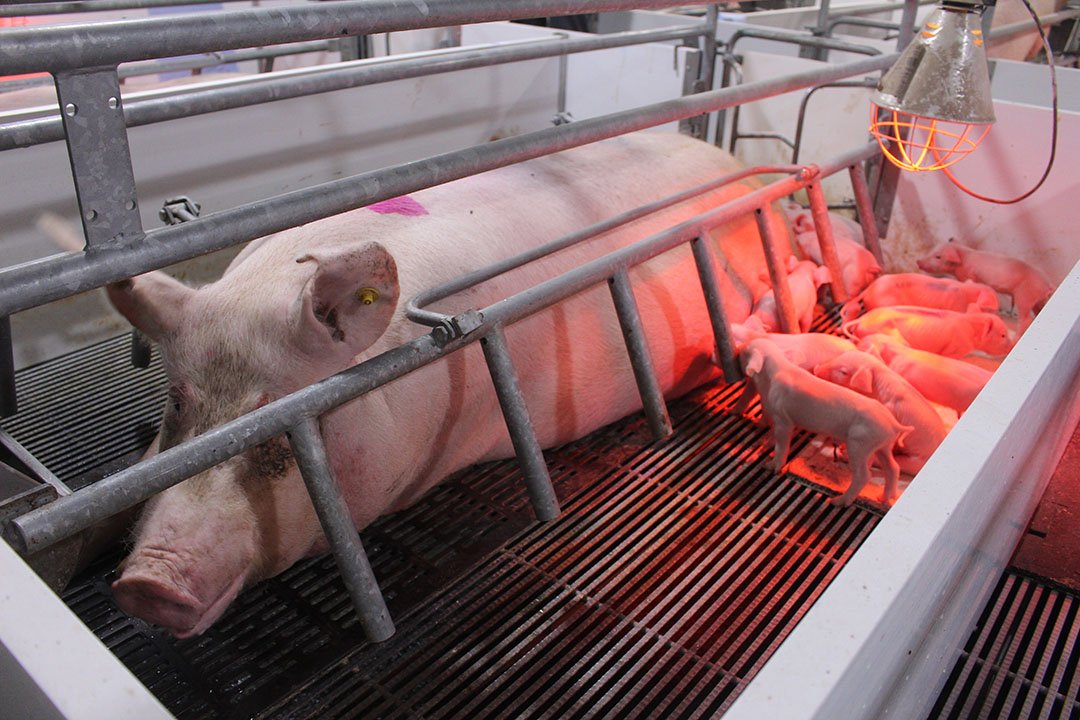
Beni Mellal – Russia exported its first shipment of salted pork casings to Morocco from the Kursk region on February 16, under the supervision of the Federal Service for Veterinary and Phytosanitary Surveillance (Rosselkhoznadzor).
The consignment weighed 22.2 tons and was dispatched from a processing facility in the Oktyabrsky district of Kursk Oblast. The shipment was accompanied by veterinary certificates and cleared through federal accredited laboratories confirming product quality and safety.
The exporting company holds certification for meat and meat product exports to Gulf countries and Eurasian Economic Union member states. In 2025 alone, it shipped over 17,000 tons of meat products to Azerbaijan, Vietnam, Ghana, Georgia, Mongolia, and Serbia.
Pork casings, known in the industry as “chitterlings” or natural sausage casings, are the cleaned and processed intestines of pigs used primarily in meat processing. They serve as the outer layer for sausages, salami, frankfurters, and other cured meat products.
Food manufacturers favor natural casings over synthetic alternatives for their permeability, which allows smoke and seasoning to penetrate the meat during curing.
Sources do not specify the casings’ final destination, and domestic use remains a possibility given Morocco’s growing foreign tourist industry and non-Muslim expatriate communities.
Morocco is a Muslim-majority country where Islamic dietary laws prohibit pork consumption, making the import of pork-based products an unusual trade development. However, pork casings destined for Morocco are not exclusively intended for internal consumption.
The country serves as a regional trade and logistics hub, and such products are likely re-exported to European or other markets where demand for natural sausage casings is high.
Morocco’s role as a processing and transit point for goods heading to European markets makes it a practical destination for raw materials of this kind, regardless of their religious restrictions under Islamic law.
The shipment arrives at a moment of sustained and quietly resilient Morocco-Russia trade, which Russian Ambassador to Morocco Vladimir Baibakov recently said stands at $2 billion despite Western sanctions.
In an interview with RIA Novosti published February 12, Baibakov said Western countries “shamelessly try to use sanctions to push Russia out of the Moroccan market.”
He cited one instance where Washington pressed Rabat to replace Russian coal with American supplies. “The United States encouraged Morocco not to purchase Russian coal,” he said, replacing it with American coal that “smokes and pollutes the kingdom’s atmosphere much more than higher-quality fossil fuel from Russia.”
Baibakov acknowledged that sanctions “create difficulties, especially in payment calculations,” but affirmed that both sides adapt while maintaining trade volumes.
Russia currently exports agricultural products, fertilizers, animal feed, pharmaceutical preparations, and electrical equipment to Morocco. Morocco sends back fruits, seafood, and fish. The ambassador noted growing Moroccan interest in Russian technologies and investments in energy, infrastructure, and agriculture.
