


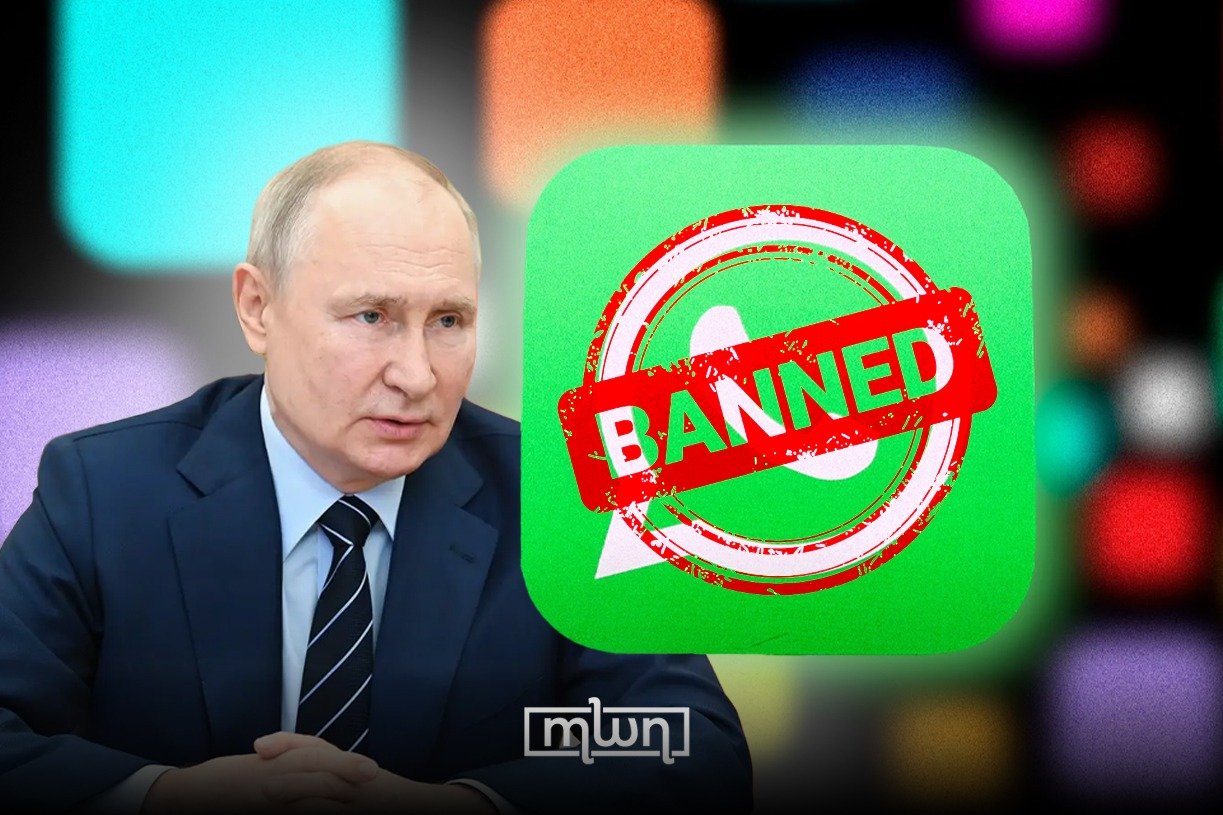
Casablanca – Russia has blocked messaging service WhatsApp nationwide, citing the company’s failure to comply with domestic law.
Russia urged users to switch to a state-backed alternative instead.
Kremlin spokesperson Dmitry Peskov confirmed the decision on Thursday, saying the move was taken because of what he described as Meta’s unwillingness to follow Russian legal requirements.
He encouraged citizens to adopt MAX, a state-supported messaging platform that authorities present as a national alternative. According to Peskov, MAX is available on the market and offers Russians an accessible replacement for foreign-owned services.
WhatsApp, which is owned by US technology company Meta Platforms, said it was doing everything possible to keep users connected. In a statement, the company said the Russian government was attempting to fully block the service and warned that restricting access to private communication would reduce safety for people in the country.
The ban follows months of escalating restrictions on foreign messaging platforms. Last year, Russian regulators began limiting certain WhatsApp services, including voice calls, accusing the company of failing to cooperate with law enforcement in fraud and terrorism investigations.
Since December, many users have only been able to access the app through virtual private networks after domain names linked to WhatsApp were removed from Russia’s national internet registry.
Russian authorities have also taken steps against other platforms. State communications regulator Roskomnadzor has introduced measures targeting Telegram, alleging violations of national legislation.
Social media networks such as Facebook and Instagram have already been blocked, while access to services, including YouTube and FaceTime, has faced increasing limitations.
Officials argue that foreign technology companies operating in Russia must comply with local laws, including requirements related to data storage, content moderation and maintaining a local representative office.
Russian courts have previously fined WhatsApp for failing to remove content deemed illegal under domestic regulations.
MAX, the state-backed alternative promoted by authorities, combines messaging functions with access to certain government services and payment features.
Critics, including human rights organizations, say the broader tightening of restrictions on messaging apps reflects an effort to increase state oversight of online communication. Russian officials have rejected claims that the platform is intended for surveillance.
The blocking of WhatsApp marks one of the most significant steps yet in Russia’s efforts to reshape its digital landscape, as access to foreign platforms becomes increasingly limited inside the country.
Read also: In Quest for Digital Sovereignty, Europe Moves to Reduce Reliance on US Tech
