


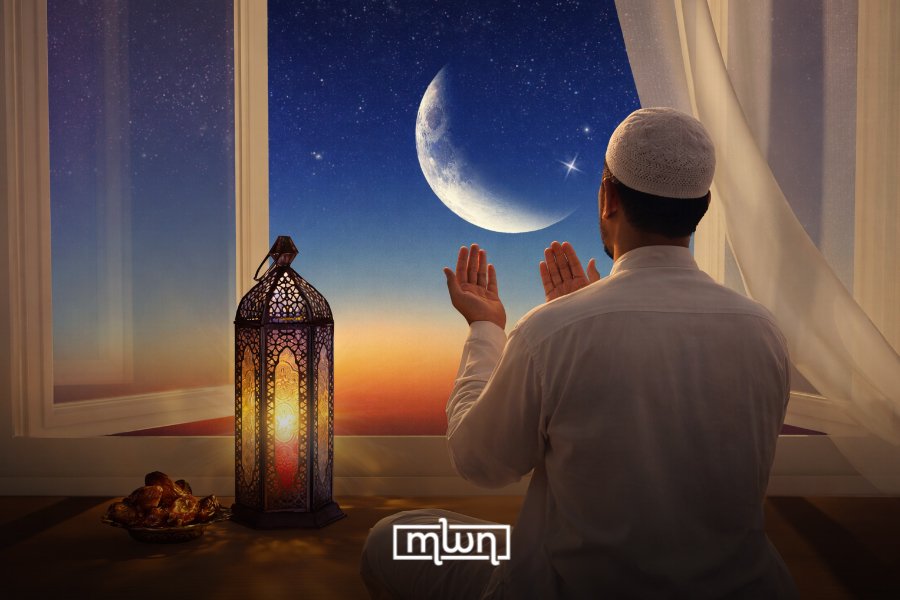
Rabat – As Muslims across Pakistan prepare for Ramadan 2026, early predictions point to the holy month most likely beginning on February 19.
This is based on forecasts from the Pakistan Meteorological Department (PMD) that the crescent moon signalling the start of Ramadan 1447 AH will likely be sighted on the evening of February 18.
Astronomical data shows the new moon will be born on February 17 at about 5:01 p.m. (PST), and weather conditions on the following evening are expected to be partly cloudy to clear in many areas, increasing the chances of seeing the crescent after sunset.
The official start of fasting, however, hinges on the religious tradition of moon sighting. The Central Ruet-e-Hilal Committee, along with zonal committees across provinces, will meet on the 29th of Sha‘ban to review reports from observers and confirm whether the crescent has been seen. Only then will they officially announce the start of Ramadan in Pakistan.
Ramadan is a deeply spiritual and community-centred time in Pakistan. Muslims fast from dawn until sunset by abstaining from food, drink, and other physical needs as a form of self-discipline and worship.
Families share sehri (sehour), a pre-fast meal, before dawn and they break the fast at sunset with iftar, often starting with dates and water, followed by larger meals.
Mosques across the country host Taraweeh prayers each night, which are special evening prayers occurring only in Ramadan. The month is also marked by increased charity, with many people organizing and supporting public food drives and setting up free iftar stalls to help those in need.
Ramadan continues for either 29 or 30 days, depending again on moon sighting at the end of the month. Eid al-Fitr, which celebrates the end of fasting, is expected around March 21, subject to when the next crescent is sighted.
