


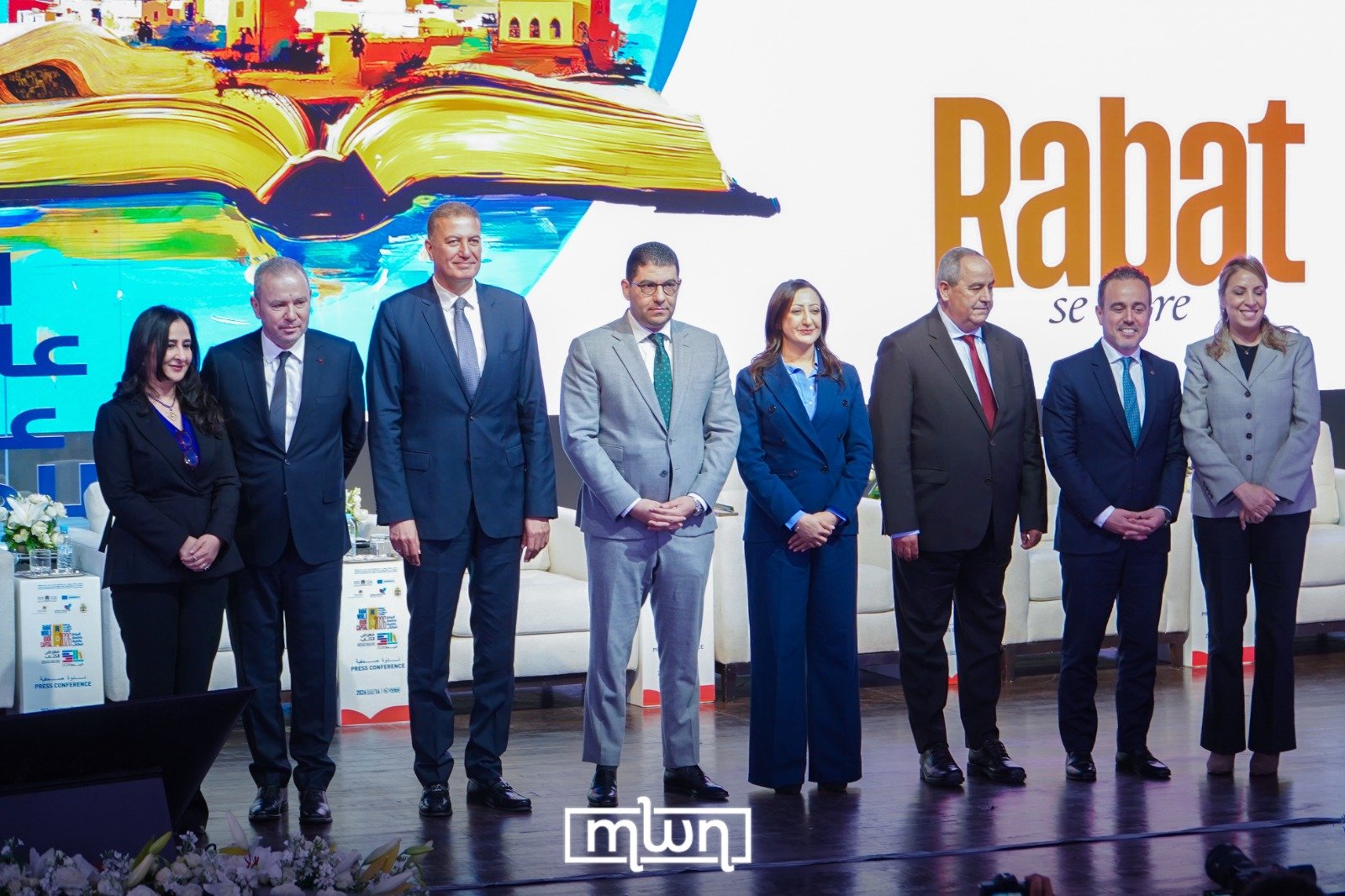
Fez — Rabat is set to deepen its role as one of Morocco’s main cultural hubs with the launch of its “World Book Capital 2026” program and the upcoming 31st International Publishing and Book Fair, a pairing that will place the Moroccan capital at the center of a major international book season.
UNESCO officially named Rabat its World Book Capital for 2026 in October 2024, recognizing the city’s publishing ecosystem, literary development efforts, and initiatives tied to reading, youth, and literacy.
UNESCO said Rabat stood out for its 54 publishing houses, expanding bookstore network, and one of Africa’s leading international book fairs, while also highlighting the city’s efforts to widen access to books and fight illiteracy, especially among underserved communities.
The year of celebrations begins on April 23 on World Book and Copyright Day.
A major cultural season for Morocco’s capital
Rabat’s local program is beginning in late April and will unfold alongside the 31st International Publishing and Book Fair, scheduled for May 1 to May 10 at OLM Souissi, with France as guest of honor and Ibn Battuta as the edition’s symbolic figure.
That combination gives the 2026 edition a broader frame than a standard annual fair.

Rather than functioning as a standalone publishing event, the exhibition is being folded into a larger citywide strategy built around reading, circulation of knowledge, and public access to culture.
That direction aligns with UNESCO’s rationale for choosing Rabat in the first place: not simply because it hosts books, but because it is trying to move them into everyday civic life.
Books beyond traditional venues
The yearlong program will include 342 activities across 12 themes, with a stated goal of taking books beyond conventional cultural venues and into hospitals, correctional centers, orphanages, public squares, stations, and transport spaces.
The fair itself will feature 890 exhibitors, including 320 direct participants and 570 represented by proxy, from 60 countries, with more than 130,000 titles on display. It will also include more than 204 cultural events involving over 720 speakers, thinkers, and creators.
France’s selection as guest of honor solidifies the literary and cultural ties between Morocco and France, while the tribute to Ibn Battuta places travel writing and narratives of movement at the center of this year’s programming.
The 2026 program is shaping up as a test of how far a book-centered cultural policy can reach when it is designed not just for institutions, but for the wider public spaces where a city actually lives.
