


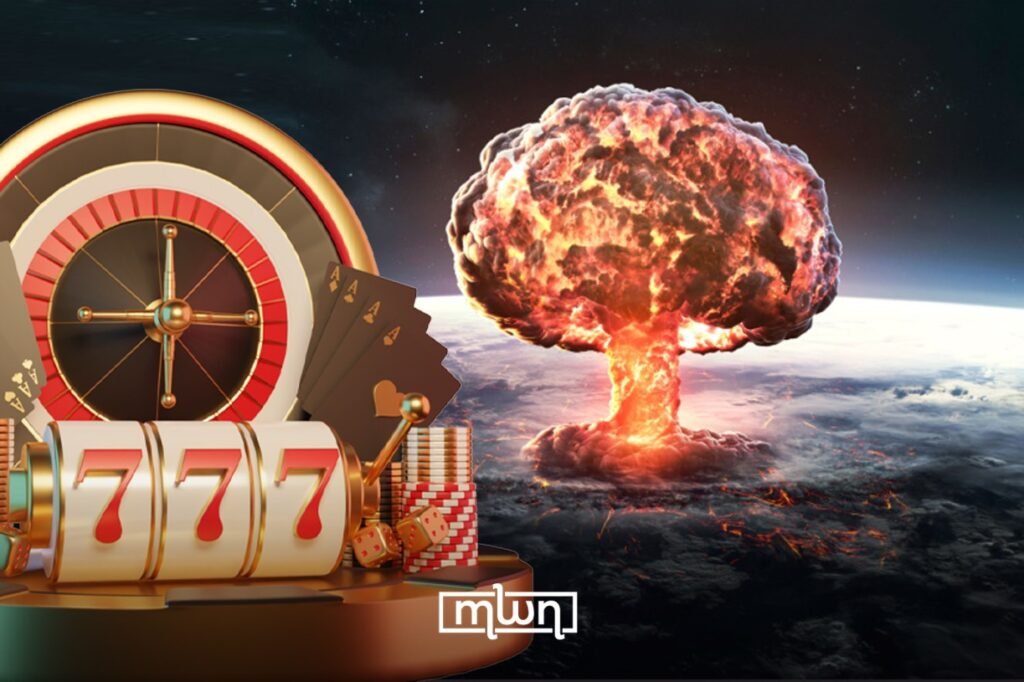
Rabat – Prediction market platform Polymarket has removed a contract that allowed users to bet on whether a nuclear weapon would be detonated in 2026, following criticism over markets tied to war and mass violence.
The contract, which was titled “Nuclear weapon detonation by…?”, has now been archived. Visitors to the page are met with a notice stating that the event has been archived, indicating the market is no longer active on the platform.
Before it was taken down, the market had attracted roughly $650,000 in trading volume, according to a cached version of the page. The contract offered several potential resolution dates, including whether a nuclear weapon would be detonated by March 31, by June 30, or at any point before 2027.
Polymarket also deleted a post published earlier on Tuesday on the social media platform X that referenced the contract. The post had indicated that activity on the market suggested a 22% chance that a nuclear weapon would be detonated this year.
The contract drew criticism on social media, where commentators raised concerns about prediction markets linked to military actions and large-scale violence.
Critics warned that such markets could create opportunities for individuals with nonpublic information to place profitable bets if they have knowledge of potential military developments before they become public.
Polymarket has not publicly commented on the decision to remove the market. The company did not immediately respond to requests for comment.
Read also: A Perfectly Timed $630K Polymarket Win on Maduro Draws Scrutiny, Bubblemaps Pushes Back
The controversy comes amid growing scrutiny of prediction markets that allow users to trade on the likelihood of geopolitical events. Questions about the risks of insider information and the ethical implications of wagering on war-related developments have increasingly drawn attention from analysts, lawmakers, and regulators.
this is worse than any dystopia we couldve imagined https://t.co/9chaYHhOGc
— hasanabi (@hasanthehun) March 4, 2026
Concerns intensified recently after Bubblemaps, a blockchain analytics firm, reported that several newly created cryptocurrency wallets collectively earned about $1 million by betting that the United States would carry out military strikes against Iran shortly before the attacks occurred.
Debate over geopolitical prediction markets has also surfaced on rival platform Kalshi. A contract on whether Iran’s Supreme Leader Ayatollah Ali Khamenei would be removed from power drew backlash after his death.
Tarek Mansour, Kalshi CEO and Cofounder, said on X that the contract was designed in a way that avoided resolving directly on a death outcome and relied on a clause allowing positions to be settled at the last traded price.
Regulatory attention on the sector is also increasing in Washington. Late February, six Democratic senators led by Adam Schiff urged the Commodity Futures Trading Commission (CFTC) to prohibit prediction contracts tied to an individual’s death, citing examples that had appeared on Polymarket.
CFTC Chair Michael Selig said Tuesday that the agency is preparing new guidance and rulemaking related to prediction markets as regulators work to establish clearer standards for event-based contracts.