


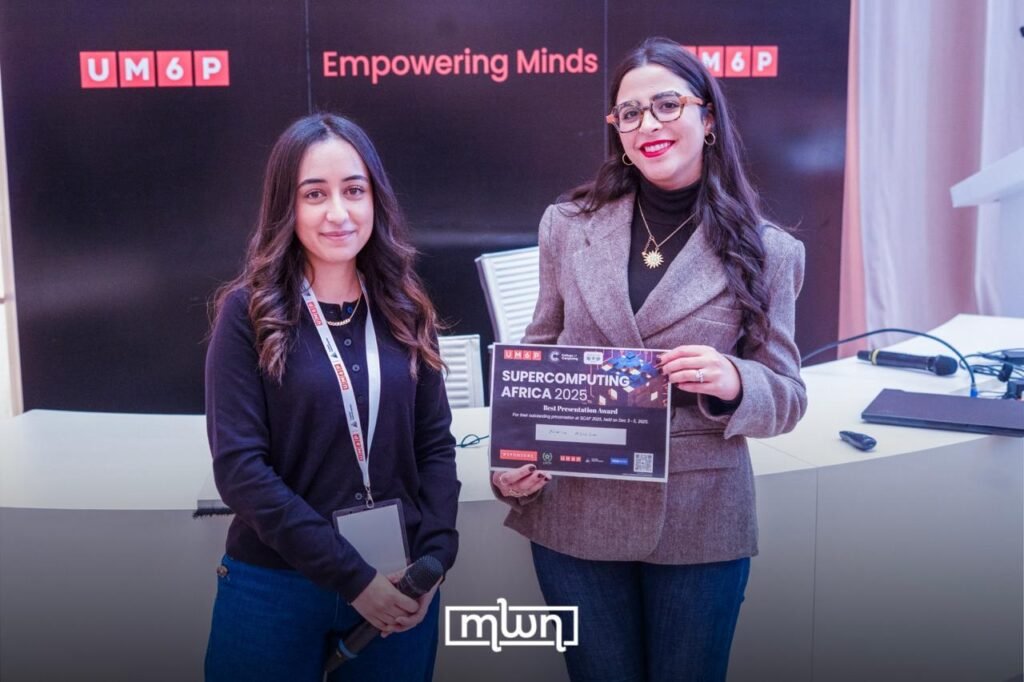
Marrakech – The inaugural SupercomputingAfrica 2025 conference at UM6P in Morocco marked a milestone for high-performance computing (HPC) in Africa, bringing together researchers, industry leaders, and international experts to discuss strategies for advancing the continent’s computational capabilities.
Two key voices at the event, Jack Dongarra, Turing Award-winning HPC pioneer, and Safae Bourhnane, HPC researcher at Fraunhofer SCAI and co-founder of Morocco HPC, emphasized complementary pathways to accelerate HPC adoption across Africa.
Bourhnane highlighted the importance of community-building and knowledge sharing.

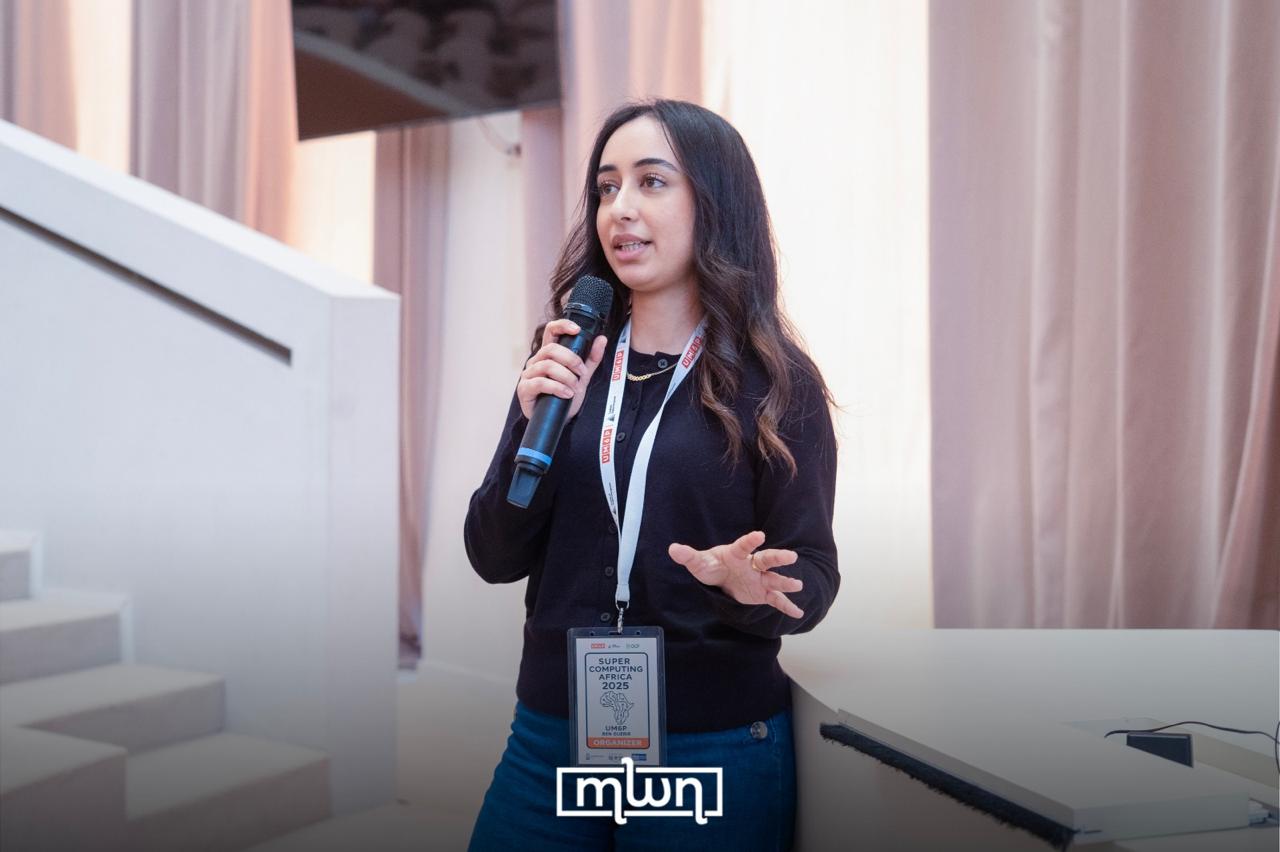
“Morocco HPC started to build a community. So we wanted to bring people together, people who work in HPC together, so that they can connect and share expertise,” she told MWN.
She explained that Morocco HPC has been instrumental in raising awareness of national HPC infrastructure.
“Morocco HPC has already played a huge role in getting people to know all the HPC infrastructure in Morocco. So before Morocco HPC, nobody knew that we had the biggest or the fastest supercomputer in Africa, but Morocco HPC tried to promote that, and it also tried to promote other HPC infrastructures,” she emphasized.
Bourhnane stressed that connecting researchers with administrators of these systems ensures access and practical support for advanced computational research.
Dongarra echoed the need for infrastructure but also underlined the skills and hands-on training required to make HPC effective.

“HPC is something which requires the use of high performance computers. So you need to have access to a high performance computer,” he said in an interview with MWN.
“You need to be in a position to train students to use the high performance computing and to have an application, which will be able to be implemented and run on the high performance computer.”
He described how starting with small experimental clusters can provide critical experience, which can later scale into fully integrated HPC systems.
“Building a cluster really means putting together a collection of processors and connecting them together through some kind of network,” he highlighted.
“We developed some software called PVM, which allowed a person to easily connect a bunch of machines that they had access to and gain tremendous experience in terms of programming and debugging and running programs across that parallel machine.”
Both experts emphasized international collaboration as a key driver of growth. Bourhnane highlighted that global partnerships bring both expertise and roadmaps, allowing African HPC initiatives to learn from established practices worldwide.
They shared one vision: Bringing someone who’s already there will actually allow us to follow their steps and eventually get to what we want.
Together, these perspectives outline a strategic blueprint for Africa’s HPC ecosystem:
- Build strong communities to share knowledge and connect researchers.
- Promote and provide access to HPC infrastructure, from small clusters to large supercomputers.
- Train the next generation of HPC experts in both fundamentals and hands-on experience.
- Leverage international collaboration to accelerate adoption and innovation.