


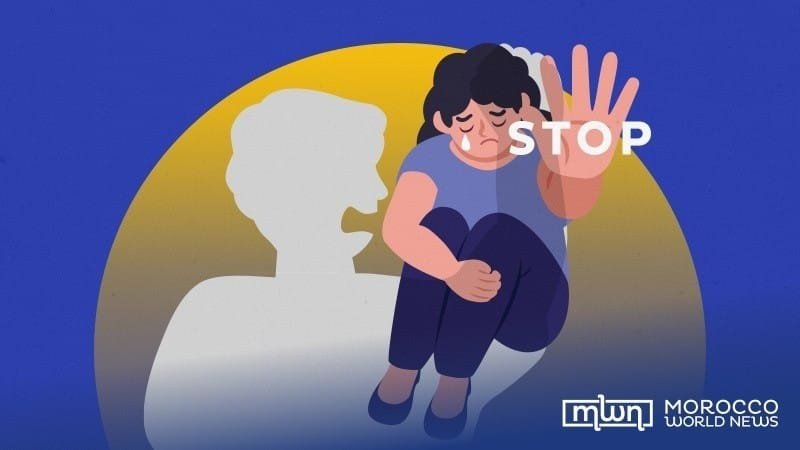
The United Nations Office on Drugs and Crime (UNODC) and the UN Women released on November 25 a report revealing alarming findings on the scale of femicide worldwide. The report is published on the International Day for the Elimination of Violence against Women, highlighting gender-based violence.
A global emergency
The report is titled “Femicides in 2024: Global Estimates of Intimate Partner / Family-Member Femicides.” It shows that nearly 50,000 women and girls were killed by their intimate partners or other family members during 2024. This data presents the average of 137 women worldwide who lose their lives every day, the equivalent of one woman every 10 minutes.
The report investigated all the women and girls everywhere, and no region was excluded. It presents Africa as the region with the highest number of victims, although the figure carries a degree of uncertainty due to the lack of available data in the region. 22,600 were victims of the gender related killings in Africa. The number of victims of intimate partner and family member femicide in Africa is relative to the size of its female population (3 victims per 100,000 in 2024).
“Femicides don’t happen in isolation. They often sit on a continuum of violence that can start with controlling behaviour, threats, and harassment, including online,” said Sarah Hendriks, Director of UN Women’s Policy Division.
John Brandolino, acting Executive Director of UNODC said in a news release tied to the UNODC report: “The home remains a dangerous and sometimes lethal place for too many women and girls around the world. The 2025 femicide brief provides a stark reminder of the need for better prevention strategies and criminal justice responses to femicide, ones that account for the conditions that propagate this extreme form of violence.”
16 Days of Activism against Gender-Based Violence campaign
UN Women leads an annual and global campaign under the UNiTE to End Violence against Women initiative from 25 November to 10 December. The campaign aims to shed light on gender-based violence through raising awareness and advocating for policies and legal reforms.
The 2025 campaign addressed digital violence against all women as the report showed that it is the fastest evolving form of abuse worldwide. The digital violence includes online harassment, stalking, gendered disinformation, deepfakes, and non-consensual sharing of intimate images, which are rising due to technological advances.
This year’s campaign targets all the governmental and non-governmental institutions to take action against such threats. They are calling for long-term plans to raise digital literacy and invest in survivor-centred services, as well as supporting women’s rights organizations that advocate for safety and women’s well-being.
“The United Nations’ 16 Days campaign this year underscores that digital violence often doesn’t stay online. It can escalate offline and, in the worst cases, contribute to lethal harm, including femicide,” Sarah Hendriks, Director of UN Women’s Policy Division, said in a press release
“Every woman and girl has the right to be safe in every part of her life, and that requires systems that intervene early. To prevent these killings, we need the implementation of laws that recognize how violence manifests across women and girls’ lives, both online and offline, and hold perpetrators to account well before it turns deadly.”
