


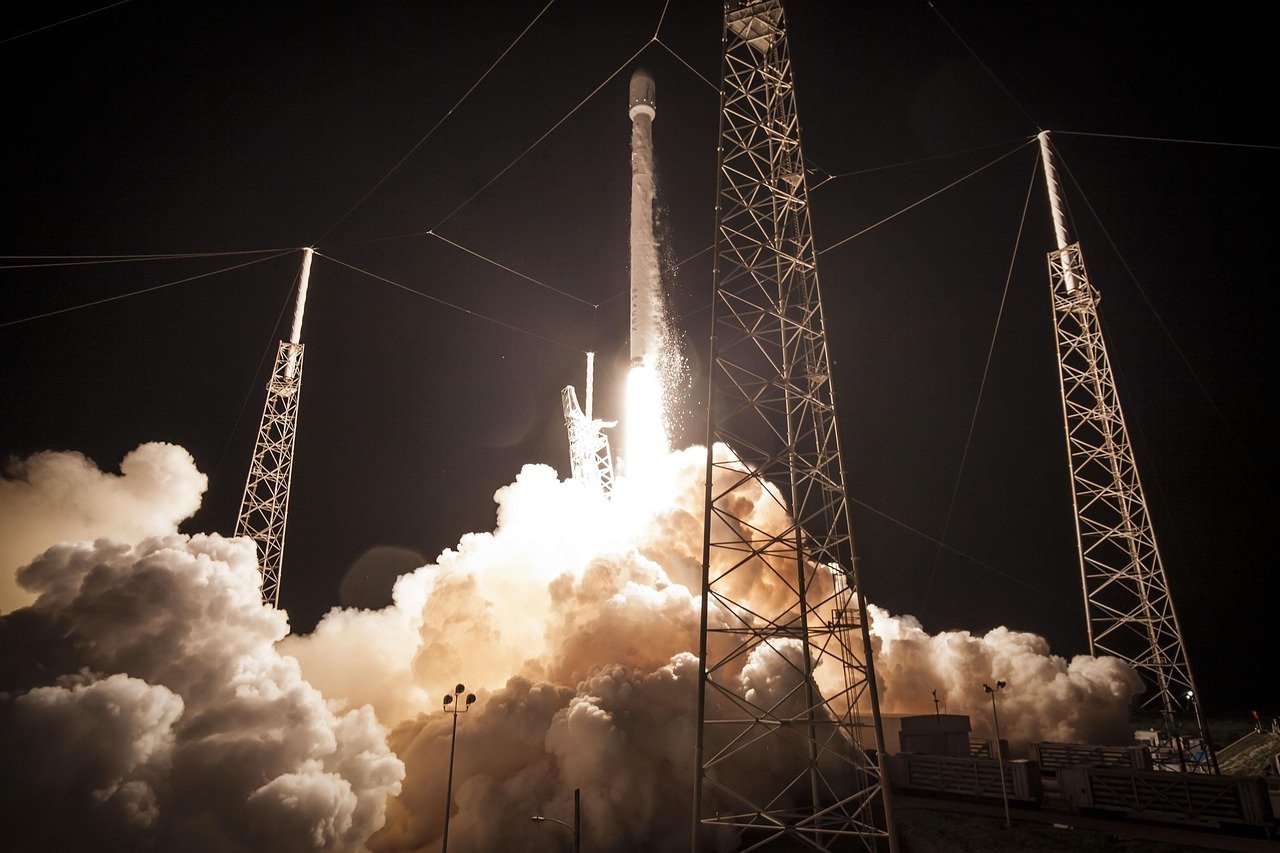
Agadir – North Korea fired a barrage of ballistic missiles near the east coast of the Korean Peninsula on Saturday, March 14 while the United States and South Korea staged large-scale joint military exercises.
According to the Japanese Ministry of Defense and the Japan Self-Defense Forces, multiple missiles were launched around 1:24 p.m. local time towards the Sea of Japan.
South Korea’s military reported that the missiles were launched from the area near the city of Pyongyang, specifically from the area called Sunan.
The missiles were fired into the distance, traveling several hundred kilometers before hitting the waters near the east coast of the Korean Peninsula, outside of Japan’s exclusive economic zone. There was no damage or threat to aircraft or ships.
The launches of these missiles coincided with the Freedom Shield military exercises, carried out by South Korea and the US.
Involving thousands of soldiers and sophisticated military equipment, these drills are meant to test preparedness to face any security threats that might come from North Korea.
However, the North Korean government viewed these joint exercises as the two allies preparing for an invasion.
The United States Indo-Pacific Command shared a statement on Saturday saying that “we are aware of the missile launches and are consulting closely with our allies and partners.”
“Based on current assessments, this event does not pose an immediate threat to U.S. personnel or territory, or to our allies,” added.
The latest tests were part of a series of recent weapons tests conducted by North Korea, which has been developing its ballistic missile and nuclear arms capabilities despite the sanctions imposed against the regime since 2006.
These sanctions were initially imposed by the United Nations Security Council in response to the first nuclear test conducted by North Korea in October 2006 and have been stepped up several times in response to subsequent nuclear tests and missile tests conducted by the regime.
Despite such restrictions, North Korea has been conducting multiple missile tests in the recent past, ranging from short-range to intercontinental ballistic missiles.
According to assessments made by the International Atomic Energy Agency, North Korea has continued nuclear activities in multiple facilities related to its nuclear weapons program.
According to analysts, such activities are a clear indication of the country’s continued push to improve its military prowess and defense strategy amid heightened tensions with the US and its regional allies.
