


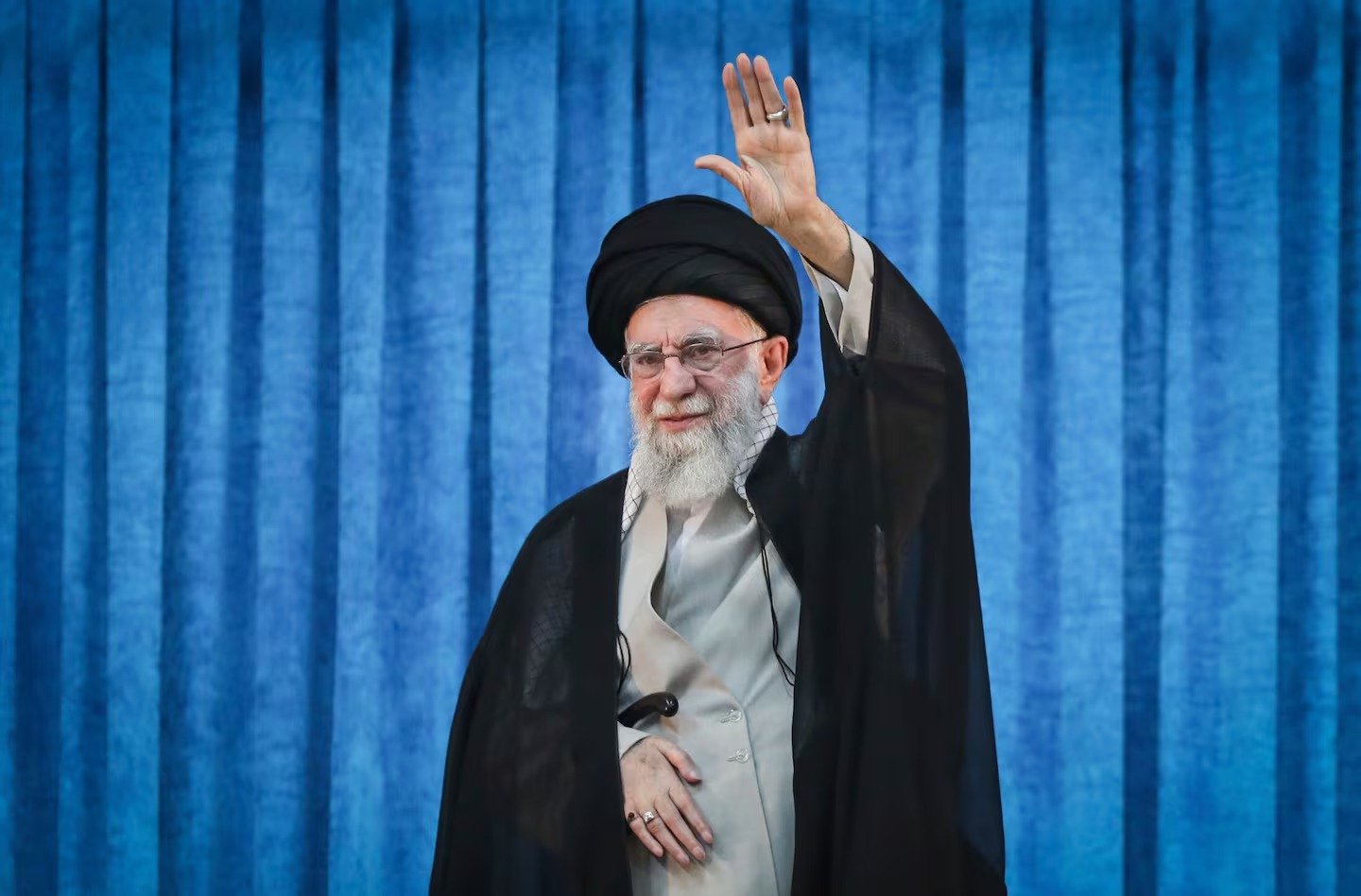
Casablanca – In a televised address today, Israeli Prime Minister Benjamin Natanyahu said there were “many signs” suggesting Iran’s Supreme Leader Ayatollah Ali Khamenei may no longer be alive following a massive coordinated set of strikes by Israeli and US forces against Tehran.
Netanyahu’s comments marked the strongest official indication yet from Israeli authorities that Khamenei might have been killed, though Tehran has vehemently denied the reports.
Natanyahu said Israel had “destroyed the compound of the tyrant Khamenei” in Tehran and that Revolutionary Guard commanders and senior nuclear officials were eliminated in the operation.
He also called on the Iranian people not to “miss this opportunity” to rise up and overthrow the Islamic Republic’s leadership.
Israeli and US military forces launched what has been described as one of the most extensive strikes on Iranian soil in decades, targeting Tehran’s air defenses, missile sites, command centers and nuclear-linked facilities.
Plumes of smoke were seen over the Iranian capital earlier today as jets and missiles struck sites associated with the regime.
Several Israeli media outlets reported that a body believed to be Khamenei’s had been recovered from the rubble and that senior officials within Iran’s security apparatus were among the dead. However, these reports remain unverified by independent sources.
Tehran has rejected the notion that its supreme leader has been killed. Iran’s Foreign Minister Abbas Araghchi told US broadcaster NBC News that Khamenei was still alive “to the best of my knowledge” and that the president and other senior figures were “safe and sound.”
Read also: Explainer: What We Know So Far About the US-Israel Attack on Iran
Iran also launched a regulatory operation against US and Israeli assets in the UAE, Qatar, Bahrain, and Saudi Arabia.
Ali Larijani, secretary of Iran’s Supreme National Security Council, has warned that Tehran will make Israel and the US pay for the airstrikes.
“The brave soldiers and the great nation of Iran will give an unforgettable lesson to the international oppressive hellish ones”, he said.
Global leaders and international bodies are calling for de-escalation and restraint, with the UN Security-General urging an immediate halt to hostilities, Europe leaders from France, Germany and the UK pushing for renewed negotiations, and Turkey and Pakistan demanding a halt to the violence.
King Mohammed VI is among the leaders that condemned the situation, expressing deep concerns over Iranian attacks on brotherly states.
A statement from the royal cabinet conveyed the monarch’s concerns, announcing that the King held phone calls with the leaders of the Gulf countries targeted by Iran.
The monarch also expressed Morocco’s full support and its backing for any legitimate measures they deem appropriate to safeguard their security and the safety of their citizens.
The security and stability of the Arab Gulf states are an integral part of Morocco’s own security and stability, the King said.
He added that any harm to their security constitutes a “serious and unacceptable aggression” and a “direct threat to regional stability.”
