


Rabat – Morocco is keeping a close watch on the unfolding crisis in the Middle East.
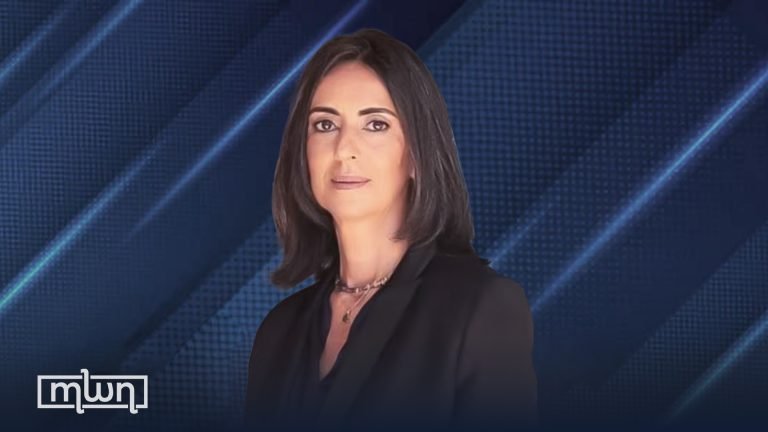
Today, Nadia Fettah, Minister of Economy and Finance, spoke to BFM Business about the potential effects on the country’s economy.
“We deeply regret the situation in the Middle East. Morocco has expressed solidarity with our brotherly nations and holds the civilian populations in mind, who always suffer the most,” she said.
On the economic front, Fettah reassured that Morocco is prepared for possible shocks. “We rely on imported hydrocarbons and remain ready to face any impact on our economy.”
“Over the past years, we have put in place measures to protect the most vulnerable. Our foreign exchange reserves, increasingly green energy sources, and resilient economy provide solid support,” the minister added.
The international situation has already affected commodity prices. “Our finance law assumed an oil price of $65, yet it has risen to $85. Gas remains mostly for domestic use, so its effect is limited,” she explained.
Fettah added that Morocco’s efficient energy mix will play a key role in controlling the crisis’s impact in the weeks ahead.
When asked whether the conflict could affect Morocco’s appeal to foreign investors, Fettah remained confident. “I believe it will not. Morocco enjoys political and economic stability.”
“Companies already here plan for the long term, and the Kingdom’s strengths, green energy, skilled workforce, and global market connectivity, make it a strong investment base even in uncertain times. Opportunities remain, even in difficult moments.”
Middle East tensions hit a boiling point after the US and Israel carried out strikes on Iran Saturday. Tehran responded with retaliatory attacks, pushing the region into what many describe as an unprecedented phase of confrontation.
The exchanges have also raised fears of a broader regional war that could disrupt energy routes, particularly around the Strait of Hormuz, through which a significant share of global oil supplies transit.
