


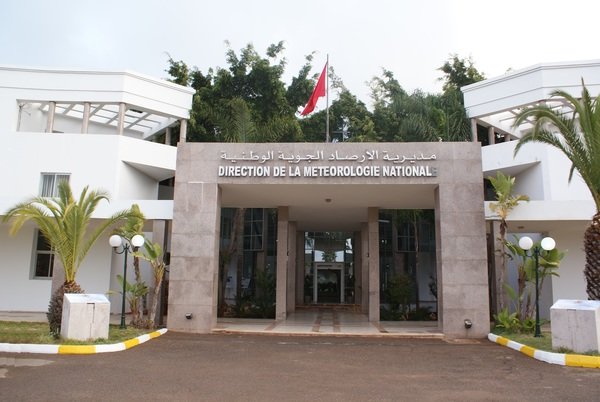
Marrakech – Morocco marked World Meteorological Day on March 23 by showcasing a significant expansion of its national weather observation infrastructure. The occasion, themed “Observe Today, Protect Tomorrow,” drew attention to the central role of meteorological systems in safeguarding lives and property.
The country now operates 433 automatic surface observation stations spread across 44 regional centers. The network also includes 8 meteorological radars, 5 radiosonde stations, 8 lightning detection systems, and 6 maritime surveillance radars.
Houcine Youaabed, head of communications at the General Directorate of Meteorology (DGM), said the infrastructure represents a notable advancement in national surveillance, analysis, and forecasting capabilities.
He added that efforts are underway to build strategic partnerships with public institutions and private sector actors to establish a national climate network capable of producing continuous and reliable data.
The goal, Youaabed explained, is to support decision-making and planning across economic and social sectors.
Morocco also benefits from third-generation meteorological satellites that enable near-continuous observation of the atmosphere over Africa and Europe. This capacity strengthens early detection of extreme weather events and improves air navigation services through upgraded observation equipment at national airports.
The entire system rests on a modern digital infrastructure, including a data center that meets international standards. The center ensures high levels of availability, security, and reliability in processing and exchanging meteorological data.
The practical value of this apparatus was demonstrated during the exceptional winter weather Morocco experienced this season. Heavy precipitation episodes tested the system, and the accuracy of observations, forecast quality, and timely alert bulletins helped authorities take necessary protective measures.
Mohamed Raoui, an engineer at the DGM’s Observation Systems Directorate, described the national network as the backbone of Morocco’s observation system. He noted that the more than 400 automatic stations provide real-time data on meteorological and atmospheric conditions across the territory.
Advanced technologies offer new possibilities for improving forecast precision
Raoui pointed to the role of remote sensing technologies, including advanced radars and lightning detection systems, in tracking dangerous phenomena and issuing early warnings to authorities and vital sectors.
He stressed that integrating ground station data with satellite observations and modern numerical models gives the national observation network recognized credibility at both national and international levels.
At the global level, the World Meteorological Organization’s Integrated Global Observing System coordinates observation activities worldwide. It supports the United Nations’ “Early Warnings for All” initiative, which aims to universalize alert systems by 2027.
Advances in high-performance computing, artificial intelligence, and next-generation satellite technology continue to open new possibilities for improving forecast precision and reinforcing climate adaptation policies.
World Meteorological Day coincides with the entry into force of the convention establishing the WMO on March 23, 1950.