


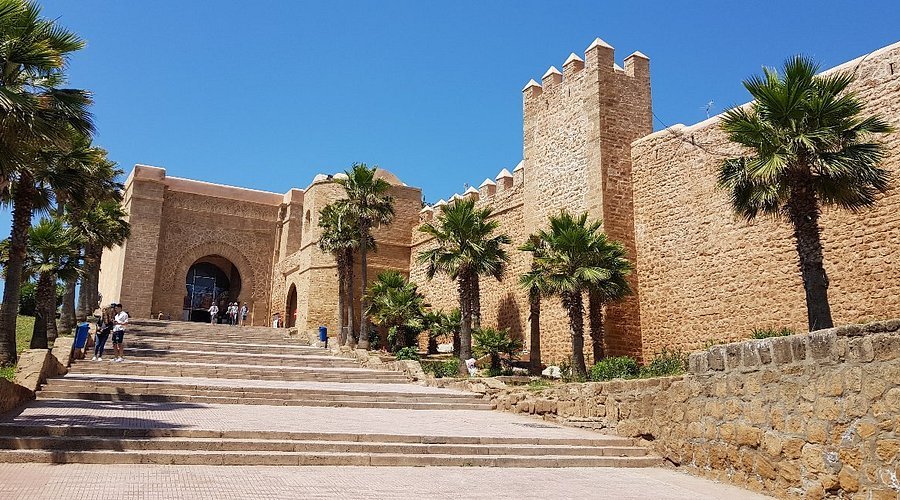
Rabat – This was highlighted during a “Webinaire – After Ftour” organized by the Confédération Nationale du Tourisme – Yallah Morocco), under the theme “Rabat: a new rising destination.”
The event brought together industry leaders to explore how the capital can strengthen its appeal as both a cultural and business destination.
Bouchaib Rzane, Founder and CEO of Access Morocco, shared his enthusiasm for Rabat’s potential.
He noted that the city is now equipped with modern infrastructure, new hotels, and conference facilities capable of hosting large-scale events.
“We recently organized one of the world’s largest luxury MICE gatherings and chose Rabat over Marrakech. We believe in this city’s potential,” Rzane said, highlighting that 180 international delegates from North America, Latin America, Europe, and beyond were introduced to Rabat for the first time.
Rzane emphasized that while the city has exceptional cultural and historical assets, including museums and imperial landmarks, it still faces challenges in offering large-scale MICE experiences.
“A MICE event is more than a hotel or meeting room; it’s about providing complementary experiences. Rabat’s capacity for large dinners or simultaneous activities is limited compared to Marrakech,” he explained.
He called for more investment in tourist animation and the development of the city’s hinterland to provide a broader array of experiences for visitors.
Adding a strategic perspective, El Mehdi Hameda Benchekroun, President of CRT Rabat-Salé-Kénitra, explained the current focus of tourism investments in the region.
“Rabat has long faced limitations due to land costs, which has slowed some developments. The main priority today is increasing hotel capacity to meet growing demand,” Hameda said.
He noted that the city is quickly filling up during the week, highlighting the urgent need for more rooms and complementary venues.
Hameda also stressed the importance of connecting Rabat to its surrounding areas.
“By linking the city to Salé, Kénitra, and even the hinterland toward Fez, we can offer richer experiences for tourists and MICE clients. Visitors will not only explore Rabat but also discover the wider region,” he explained.
This approach aims to diversify the city’s offerings beyond traditional meetings and conferences, adding cultural, adventure, and gastronomic experiences that elevate Rabat’s appeal.
Both Rzane and Hameda agreed that Rabat has the potential to become Morocco’s next leading MICE and cultural destination.
With its modern infrastructure, strategic location along the TGV line, and rich historical and cultural assets, Rabat can rival established tourism hubs like Marrakech.
The combined focus on hotel capacity, enhanced experiences, and regional connectivity positions the city as a promising destination for international investors and event organizers alike.
Rabat’s rise is a testament to deliberate investment and vision, signaling that Morocco’s capital is ready to claim its place on the global tourism and business events map.