


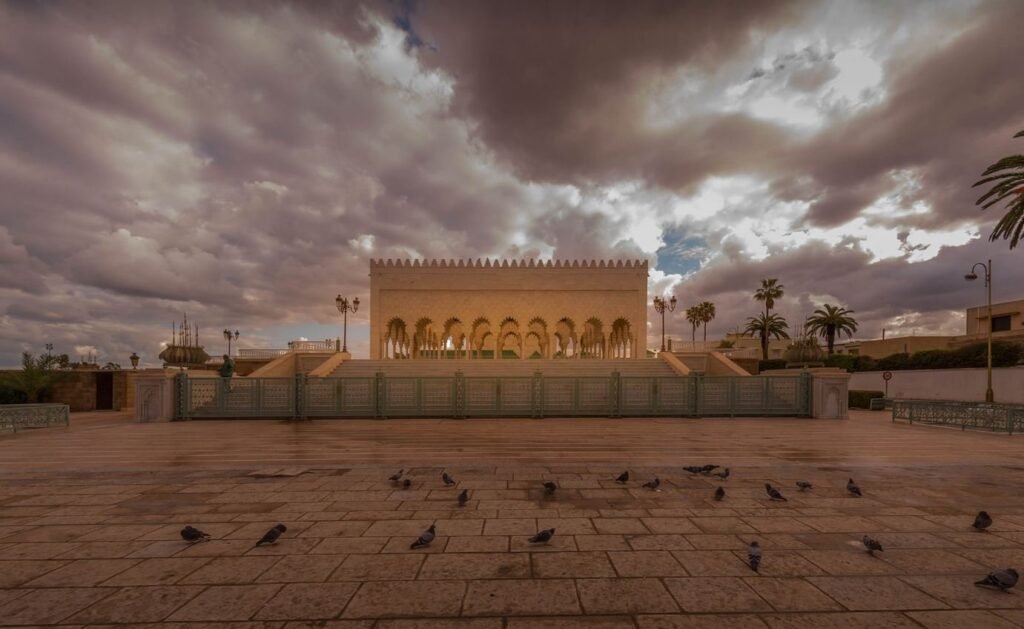
There is something about Morocco travel that is hard to put into words — and that is precisely what makes it worth writing about. The moment you step off the plane, the air hits you differently. It carries salt from the Atlantic, spice from the market stalls, and something older that you cannot quite name. Morocco travel is not just sightseeing. It is a feeling you carry home with you long after the trip is done.
Africa, Europe, and the Arab world seem to collide here in the most beautiful way. Ancient medinas thread through cities like Casablanca, Marrakech, and Fes. Narrow alleyways lead past crumbling ochre walls, hidden courtyards, and doorways painted in shades of blue and green that stop you mid-step. The call to prayer weaves above car horns, street vendors, and the soft clink of tea glasses. It is an orchestra you never get tired of hearing.
Why Morocco Travel Surprises Every Kind of Visitor
Most people coming to Morocco expect beauty — and they find it. What surprises them is the variety. You can stand on an Atlantic beach in the morning, watching fishing boats cut through the waves near Essaouira. By the afternoon, you can be deep in the rugged Atlas Mountains, driving past Berber villages where life moves at a pace that the modern world seems to have forgotten.
Further south and east, the Atlas gives way to the Sahara. Towering dunes glow gold at sunrise and shift to a burning orange as the sun drops low. Sleeping under a sky packed with stars in the desert is one of those experiences that does not fade. You think about it years later and feel it all over again.
The Culture Behind Morocco Travel
Souks, Crafts, and Living Traditions
Walk through any souk and you walk through centuries of skill. Artisans hammer copper, carve wood, weave rugs, and dye leather by hand — the same techniques passed from parent to child for generations. Morocco travel is as much about watching these crafts as buying them. Each piece tells you something about the people who made it.
Hospitality That Catches You Off Guard
Moroccans are known for their hospitality, but knowing that in advance does not prepare you for how real it feels. A simple walk down a street can turn into a long conversation about family, football, or ambitions for the future. Strangers become guests almost immediately. Tea is poured. Time is given freely. If you travel anywhere expecting kindness, travel to Morocco.
A Table Full of Memory
Moroccan food deserves its own article — and honestly, its own week. Tagines simmer low and slow with meat, preserved lemon, and olives. Couscous is steamed to a soft cloud and served with vegetables in deep colors. At street stalls, fresh orange juice goes for almost nothing, and grilled kebabs arrive wrapped in paper that you eat standing up, watching the street go by. Food here is not just fuel. It is how Moroccans say: welcome, stay, eat.
Morocco Travel Between Old and New
One of the most interesting things about Morocco travel today is how the country holds two worlds at once. In Casablanca and Rabat, glass towers rise next to mosques that have stood for centuries. Cafés fill with young people on laptops while nearby, older men play cards over tiny cups of strong coffee. Fashion shifts between traditional djellabas and international streetwear. Music mixes Gnawa rhythms with electronic beats.
Morocco is changing fast — but it holds its identity tightly. That tension between old and new gives the country a dynamic energy that is hard to find anywhere else. It does not feel like a place stuck in the past or racing blindly into the future. It feels very much alive.
Practical Tips for Morocco Travel
Getting Around
For traveling between cities, trains connect the major ones comfortably and cheaply. For shorter distances, shared taxis — called “grand taxis” — are the way locals move. They leave only when full, which takes some patience, but it is a great way to meet people and keep costs low.
Best Time to Visit
Spring (March to May) and autumn (September to November) are the sweet spots. The heat is manageable, the light is beautiful, and the crowds are thinner than in peak summer. If the desert is on your list, plan for spring or autumn when the days are warm but the nights are not brutal.
Quick Tips Worth Knowing
- Do not worry about speaking Arabic — a warm “Salam” and a smile will carry you far.
- Bargaining in the souks is expected and part of the fun. Start low and enjoy the back-and-forth.
- Riads — traditional houses built around a central courtyard — are often the best place to stay. They are quiet, beautiful, and deeply Moroccan.
- Dress modestly in medinas and religious areas. It is a sign of respect that locals genuinely appreciate.
The Feeling Morocco Travel Leaves Behind
Every corner of Morocco seems to offer something new — laundry fluttering above a busy alley, the reflection of a minaret in a puddle after rain, a sudden view of the ocean at the end of a crowded street. Morocco travel invites you not just to see a place but to feel it. The warmth of the people. The rhythm of the streets. The stillness of a riad courtyard at dusk.
Morocco stays with you. Not as a list of sights you checked off, but as an atmosphere — a feeling you find yourself wanting to return to.
Let’s Talk Morocco
Have you been to Morocco, or is it on your list? What part of Morocco travel excites you most — the medinas, the mountains, the Sahara, or the coast? Drop your thoughts in the comments below. I read every single one, and your questions often inspire the next post.