


Casablanca – Morocco is set to experience a period of unstable and highly variable weather as winter gradually gives way to spring, according to the Directorate General of Meteorology.
The shifting conditions are linked to the interaction of different air masses, a pattern typical of seasonal transition periods that can bring rapid changes in the state of the sky across the country.
Over the weekend, Morocco remains under the influence of an Atlantic depression centered south of the Iberian Peninsula. The system is pushing humid westerly air currents toward northern and central parts of the country, leading to scattered rainfall in several regions.
The Rif, the Middle Atlas, and the northern Atlantic plains are expected to see the most notable precipitation, while southern provinces are forecast to experience relatively more stable weather conditions.
Beginning Sunday, the depression will gradually move toward the western Mediterranean. At the same time, an upper level trough will continue to influence northern Morocco.
This atmospheric configuration will maintain cold and unsettled conditions, with localized precipitation and a risk of stormy showers, particularly in mountainous areas of the Oriental region.
Weather authorities also note that the pressure gradient between the depression to the north and a subtropical high pressure system to the south will strengthen wind activity. Gusty winds are expected along coastal areas and across several Saharan provinces.
Read also: Morocco Issues Orange Weather Alert for Heavy Rain, Snow, Strong Winds
From Monday onward, the influence of the current system is expected to gradually weaken as it shifts eastward. Weather conditions may temporarily improve in parts of the country.
However, residual cloud cover could still bring intermittent light rainfall to northern regions and the Middle Atlas, along with morning mist or fog across some plains.
Meteorologists indicate that another deterioration in weather conditions is expected starting Tuesday with the arrival of a cold drop in the upper atmosphere.
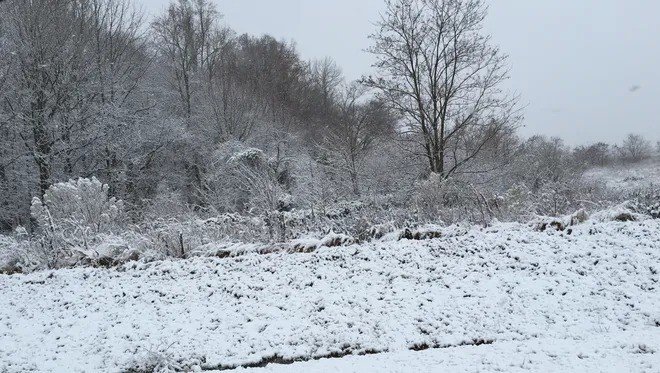
This system is forecast to trigger a new phase of instability marked by showers in northern and central areas. Snowfall is also expected on the highest peaks of the Rif and Atlas mountain ranges.
Temperatures will remain cold over mountainous terrain and high plateaus. Nighttime lows could drop to around minus seven degrees Celsius on the Atlas summits on Sunday night.
In contrast, southern provinces will record milder daytime temperatures ranging between 24 and 29 degrees Celsius. Winds are expected to remain a major factor throughout the week, with strong gusts capable of generating localized dust storms in the Oriental region and in southern areas. A gradual rise in temperatures is forecast toward the end of next week.