


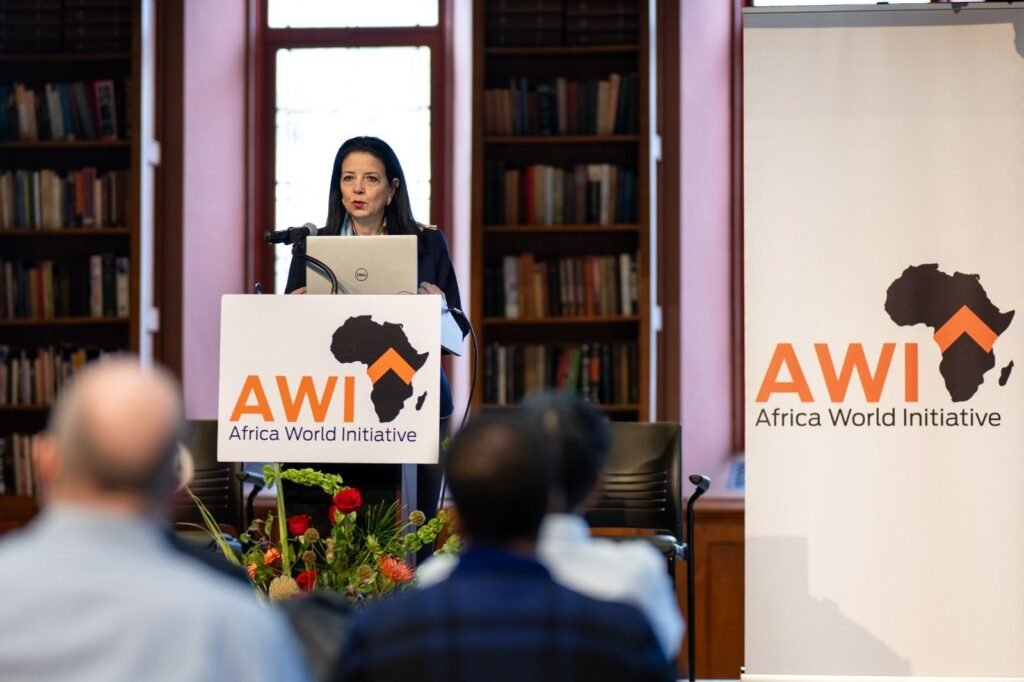
Agadir – Morocco was the guest of honor at the fourth edition of the Africa Impact Lectures, held at Princeton University in the United States on March 23.
Amal El Fallah Seghrouchni, Minister Delegate for Digital Transition and Administrative Reform represented Morocco as the event’s keynote speaker.
Morocco’s permanent representative to the United Nations Omar Hilale also attended the event, promoting the country’s vision for artificial intelligence.
Africa Impact Lectures is a high-level platform for dialogue. It brings together political, diplomatic, and technological leaders from across Africa to exchange views on development and innovation, especially in emerging fields such as artificial intelligence.
Seghrouchni delivered a lecture titled “Africa’s Development in the Age of Artificial Intelligence,” addressing students, researchers, and members of the academic community on the challenges and opportunities of digital transformation across the continent.
The minister emphasized the “strategic role of artificial intelligence, particularly distributed and multi-agent systems-based AI, as a major driver of sustainable development, improved public services, and the resolution of complex societal problems.”
Morocco is pursuing a vision of ‘sovereign and inclusive’ AI
She referred to AI as a “structural opportunity” for Africa, noting the young population, growing innovation ecosystems, and increasing investment in digital infrastructure as major factors that could boost Africa’s digital transformation agenda.
Morocco’s AI national strategy focuses on positioning artificial intelligence as a pillar of digital sovereignty, competitiveness, and territorial inclusion, she told her audience.
Driving this strategy is the urgency to develop local talent, strengthen technological capabilities, and foster a responsible, home-grown innovation ecosystem.
She pointed to key initiatives such as the “Morocco Digital for Sustainable Development Hub (D4SD),” developed in partnership with the United Nations Development Program.
These efforts form part of the broader “AI Made in Morocco” vision, the minister explained, adding that its goal is to consolidate the country’s digital sovereignty while strengthening its role as a regional technology hub serving the African continent.
Morocco is “positioning itself as a leading continental platform for sovereign and inclusive artificial intelligence,” the ministry argued. “Morocco is consolidating an ecosystem based on infrastructure, talent, innovation, and regulation.”