


Marrakech – Morocco’s Health Ministry activated 67 health facilities across six regions on Friday, marking progress in the government’s plan to rehabilitate 1,400 health centers nationwide.
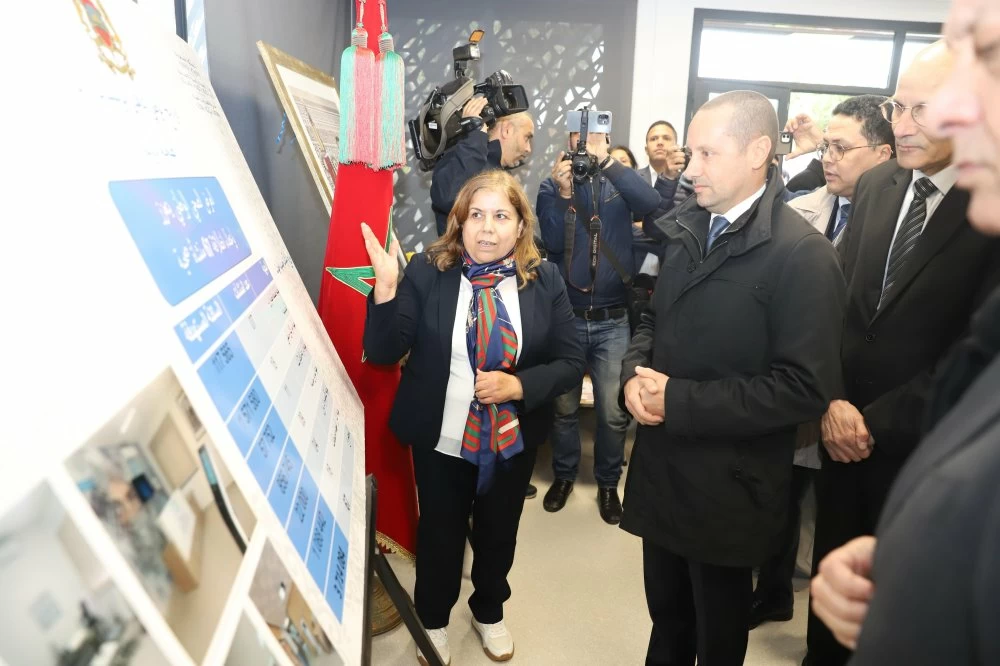
Health and Social Protection Minister Amine Tehraoui launched the services at the Moulay Ettehami urban health center in Nouaceur province. The facilities include primary and secondary-level health centers, rural dispensaries, and emergency medical units.
The Casablanca-Settat region received the largest allocation with 18 new establishments.
Nouaceur province activated five primary-level urban health centers, while Mohammedia gained one primary-level center, one secondary-level center with maternity services, and a tuberculosis diagnostic center.
Settat opened one primary urban center, and El Jadida added two primary centers and one secondary center.
Sidi Bennour launched two rural health centers, and Berrechid activated two urban centers plus two emergency medical units with maternity facilities. These additions will serve an estimated 1.09 million residents with 142 health professionals.
The Tanger-Tetouan-Al Hoceima region activated seven facilities, including a rural dispensary in Chefchaouen and three primary urban centers in Larache.
Al Hoceima received one secondary rural center, while Tanger added a secondary urban center. The Ksar El Kebir rehabilitation center also began operations, serving 117,565 residents with 46 health professionals.
Read also: Akhannouch Reviews Hospital Upgrades as Laayoune, Rabat Centers Near Completion
The Marrakech-Safi region launched 18 facilities distributed across five provinces. Marrakech city received a primary urban center, a rural center, a rural dispensary, and a tuberculosis diagnostic center.
Al Haouz province alone gained 11 diverse health establishments. The region’s facilities will serve 1.57 million residents with 60 health professionals.
The Souss-Massa region activated nine establishments, including three primary urban centers and a tuberculosis diagnostic center in Agadir Ida-Outanane prefecture.
Chtouka Ait Baha added three secondary rural centers and one primary urban center, while Tata opened one primary urban center. These serve 856,745 residents with 99 health professionals.
The Draa-Tafilalet region gained 11 facilities across Ouarzazate and Tinghir provinces, covering 77,829 residents with 47 professionals. Guelmim-Oued Noun activated four rural facilities serving 4,513 residents with eight professionals.
The ministry equipped all centers with high-quality medical equipment and qualified staff.
Services include general medical consultations, nursing care, chronic disease monitoring for diabetes and hypertension, maternal and child health, school health programs, health education, epidemiological surveillance, and mobile health services.