


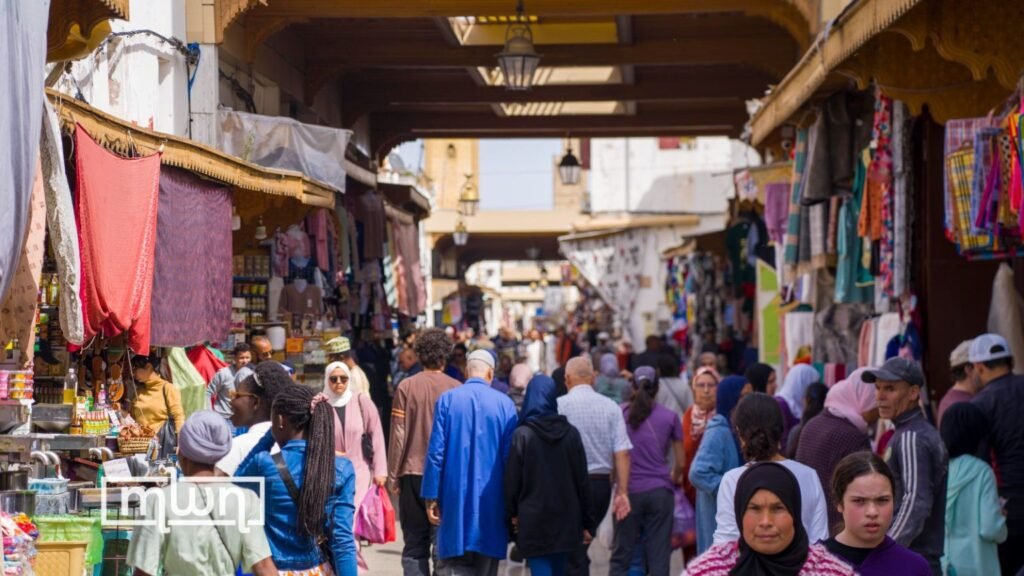
Rabat – In Morocco, Ramadan doesn’t arrive. It builds. You feel it first in the markets, not in a loud way, but in the way conversations stretch a little longer between vendors and customers.
In the way someone squeezes a date and nods with approval like they’re choosing jewelry.
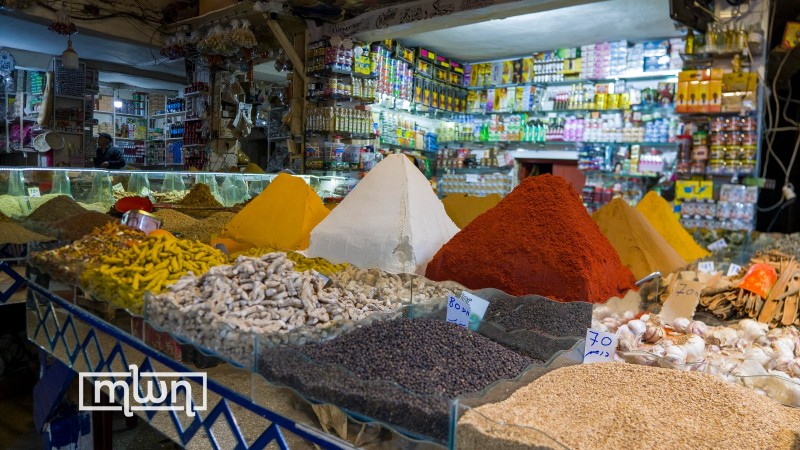
In the way spice pyramids seem taller, brighter, almost theatrical. It’s as if the whole country is leaning slightly toward the sky, waiting for the crescent to make it official.

Weeks before the first fast, Morocco begins rehearsing.
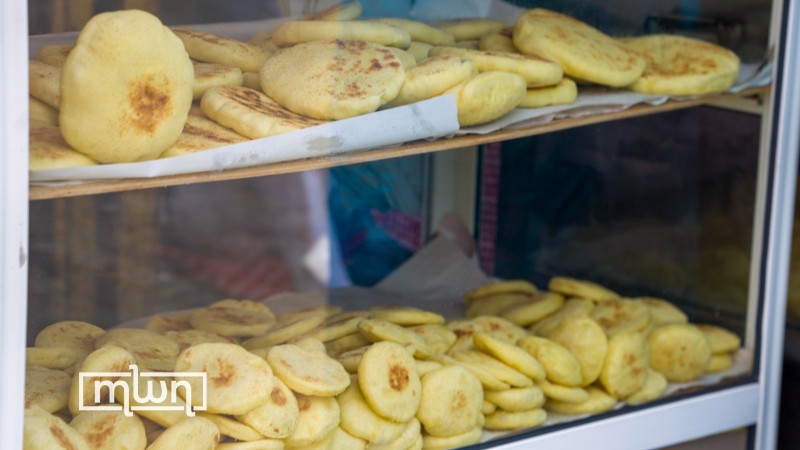
The souks transform into something between a pantry and a perfume counter. Sacks of flour are stacked high for homemade breads.
Almonds and sesame seeds are bought by the kilo. Honey glows amber under hanging bulbs. Women debate the right ratio of anise to cinnamon for chebakia like they’re guarding state secrets.
And somewhere, always, someone is frying the first test batch, just to “see if the oil is right,” even though we all know it’s about tasting Ramadan before it officially begins.
Sellou is prepared in big, generous quantities, toasted flour, crushed almonds, powdered sugar, warm spices, mixed by hand and stored carefully like edible gold.
It’s the energy boost of choice after long fasts, but also a symbol of abundance. In Moroccan homes, the kitchen becomes a workshop of memory. Recipes are not read; they are remembered.
And then there’s harira, the undisputed queen of iftar. Even before Ramadan starts, families are already planning their version.
More lentils? Extra coriander? A thicker tomato base? In Morocco, harira isn’t just soup. It’s identity.
But Ramadan preparation is logistical, spiritual, emotional.
Mosques undergo their own glow-up. Carpets are deep-cleaned or replaced. Chandeliers polished. Microphones tested for the long, melodic recitations of Taraweeh prayers.
There’s something deeply moving about seeing workers washing mosque courtyards in the late afternoon light, like preparing a house for an honored guest.
At the same time, the government adjusts working hours for public offices and schools. The rhythm of the country shifts.
Mornings become softer. Afternoons are quieter. Even traffic seems to carry a certain shared understanding: we are all fasting together soon.
Supermarkets extend hours. Prices of staple goods are closely monitored. Charitable associations organize food baskets filled with flour, oil, sugar, tea, and dates — distributed discreetly to families who need extra support. Ramadan in Morocco is not only about self-discipline; it is about collective care.
And let’s talk about the nights.
Because once Ramadan begins, Morocco becomes nocturnal.
After iftar, after the dates dipped in milk, after the steaming bowls of harira, after the plates of briouats and boiled eggs and fresh bread, the country exhales.
Streets that were quiet at 5 p.m. are suddenly alive at 10. Cafés fill. Bakeries reopen their shutters.
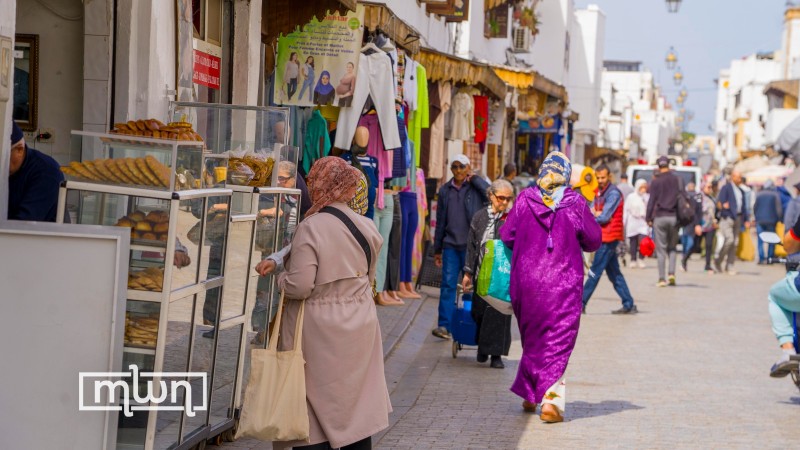
Children play in alleyways well past bedtime. Families stroll through medinas dressed in freshly pressed djellabas. The air smells like sugar and mint tea.
There is also the nafar, the traditional town crier, who walks through certain neighborhoods before dawn, blowing his horn to wake people for suhoor. It’s a sound that feels both ancient and comforting.
Television changes too. Ramadan series dominate prime time. Families gather after Taraweeh prayers to watch the latest drama or comedy, dissecting plot twists between bites of watermelon and sips of tea.
ctors become household names overnight. Even advertising feels softer, more sentimental.
And fashion? Quietly important.
Tailors are busy weeks before the month begins. New djellabas are stitched. Subtle embroidery is added to cuffs.
Ramadan is spiritual, yes, but it’s also social. Invitations for iftar circulate among friends and extended family. Tables stretch longer. Extra chairs appear from nowhere. Someone always brings dessert “just in case.”
There’s also a particular pre-sunset tension unique to Morocco, that final hour before the maghrib call to prayer. Bakeries are packed. Streets are oddly urgent.
Then, suddenly, silence. The cannon sounds in some cities. The adhan echoes. And for a brief, beautiful moment, the entire country pauses to break its fast together.
What makes Morocco’s preparation for Ramadan so special isn’t extravagance. It’s the layering.
The way faith, food, family, and public life intertwine seamlessly. The way the month reshapes daily habits without ever feeling forced.
And before the moon is even sighted, before the official announcement, before the first sip of milk touches lips at sunset, Morocco is already ready.