


Rabat – As tensions in the Middle East fuel concerns about a potential global energy shock, Morocco says it has the capacity to manage possible economic repercussions.
Authorities cite strategic reserves, crisis-management tools, and the country’s energy transition as safeguards against market volatility.
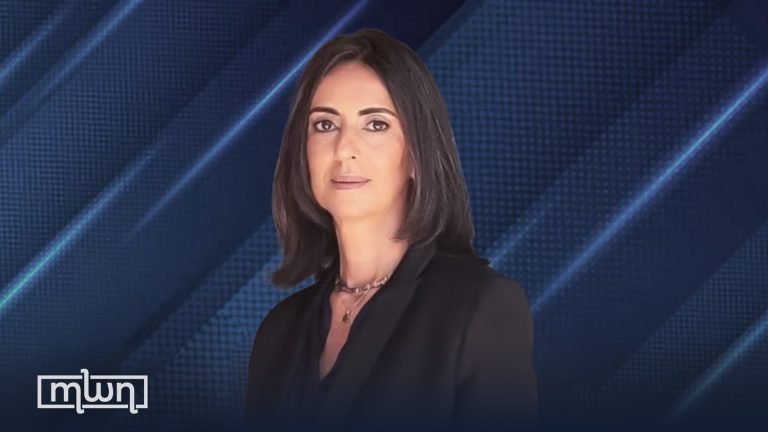
In an interview with Radio France Internationale (RFI) on Thursday, Minister of Economy and Finance Nadia Fettah said Morocco closely monitors developments in the region given the country’s reliance on imported hydrocarbons.
“The whole of Morocco observes this escalation with consternation, with particular thoughts for civilians who always pay a heavy price during times of crisis,” she said.
Fettah also referred to diplomatic efforts led by King Mohammed VI, who contacted leaders of several friendly countries to express Morocco’s solidarity amid the regional escalation.
From an economic perspective, the minister said Morocco relies on experience gained during recent global disruptions such as the COVID-19 pandemic and the Russia-Ukraine war.
According to Fettah, these episodes strengthened the country’s economic management tools.
“The Moroccan economy has shown resilience in the face of crises. Today we have hydrocarbon reserves as well as foreign exchange reserves,” she said.
While energy prices remain a key concern, the minister said Morocco has previously introduced measures to limit the impact of fuel and public transport costs if necessary.
At this stage, however, authorities report no direct economic impact from the current tensions.
Looking beyond immediate risks, Fettah said Morocco continues to accelerate its energy transition.
Renewable energy already accounts for about 42% of installed electricity capacity, with the country aiming for 52% of its energy mix from renewables by 2030.
For Moroccan authorities, this shift represents a long-term response to external energy shocks while reinforcing the country’s economic stability.