


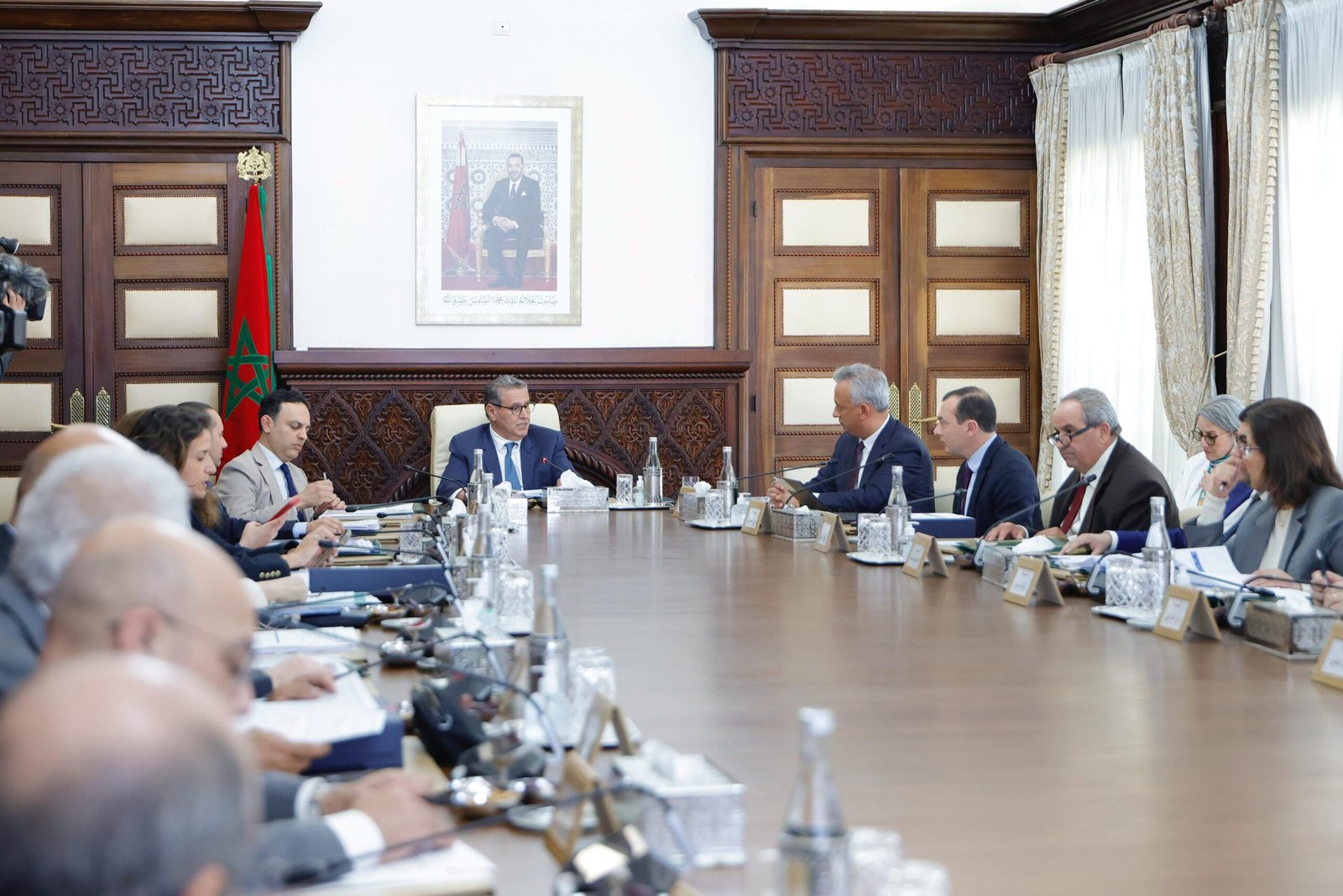
Marrakech – Morocco’s National Investment Commission approved 44 projects totaling MAD 86.36 billion ($8.6 billion) during its 10th session held Thursday in Rabat. The projects are expected to generate approximately 20,500 jobs, both direct and indirect.
Head of Government Aziz Akhannouch chaired the session. The commission was established under the new Investment Charter, which has been operational since March 2023 in line with the directives of King Mohammed VI.
The 44 approved projects include 30 new convention agreements and 14 amendments to existing ones. Of the projected 20,500 jobs, 9,000 are direct and 11,500 indirect.
Akhannouch opened the meeting by highlighting a strong investment momentum since the charter took effect. He noted that foreign direct investment hit a record high in 2025, reaching approximately MAD 56.1 billion ($5.6 billion). That figure represents a 22% increase over the previous peak recorded in 2018.
Channeling investment across multiple industries and regions
He also stressed that the rollout of the support mechanism for small and medium-sized enterprises is driving a new territorial dynamic. This, he said, aligns with the broader vision of using investment as a lever for national economic development and job creation, particularly for young Moroccans.
The approved projects span 18 sectors of activity. These include tourism, renewable energy, automotive manufacturing, airport infrastructure, agri-food, health, railway infrastructure, mining, telecommunications, chemical and parachemical industries, aeronautics, and higher education.
In terms of employment, the automotive sector leads with 38% of total jobs created. Tourism follows at 17%, and agri-food accounts for 12%.
Geographically, the investments cover 19 provinces and prefectures across 10 of the country’s regions. Among the targeted areas are Inzegan, Ait Melloul, Khémisset, Midelt, Nador, Oued Eddahab, and Rehamna.
Beyond the main framework, the commission also acted on its strategic track. It approved two strategic convention projects and one amendment, together worth MAD 12 billion ($1.2 billion) and expected to create more than 2,100 direct jobs.
These three projects fall within the chemical and automotive industries and will be based in three regions: Casablanca-Settat, the Oriental, and Tanger-Tétouan-Al Hoceima.
The commission further designated four additional projects as strategic. These carry a combined investment value exceeding MAD 33 billion ($3.3 billion) and are projected to generate 4,000 direct jobs.
Thursday’s session marks the 10th meeting of the commission since its creation under the new charter. The scale and sectoral diversity of the approved projects reflect the government’s push to channel investment across multiple industries and regions rather than concentrate it in traditional economic hubs.
