


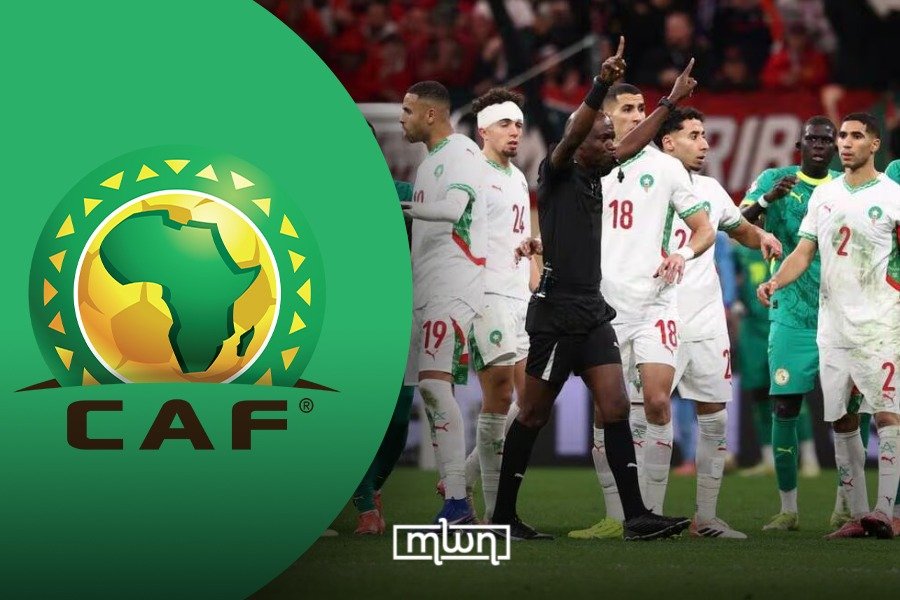
Rabat – Morocco’s AFCON title is now official, but the situation is not fully settled. After CAF decided to overturn Senegal’s win in the final and award the trophy to Morocco, the next step is expected to take place at the Court of Arbitration for Sport (CAS).
At that stage, the discussion moves away from emotion to settle into legal arguments. And Morocco currently has the upper hand on this front, with Articles 82 and 84 clearly supporting CAF’s decision.
Sports lawyer Romain Bizzini, who has experience with CAS cases, explained in a recent interview with the sports outlet Onze Mondial what could happen in this much-anticipated next phase. His analysis gives a clearer idea of what both Morocco and Senegal may face if the appeal goes forward.
On March 17, CAF ruled that Senegal’s walk-off during the final in Rabat constituted a forfeit. The governing body of Africa football stripped Senegal of the AFCON title, declaring Morocco to have won the final with a 3-0 scoreline.
Senegal has naturally denounced the ruling, rejecting as “Unacceptable” and announcing plans to take the case to CAS. Yet Bizzini suggested in the Onze Mondial interview that Senegal is unlikely to win this legal battle.
CAS is not a symbolic institution, he explained. The seasoned sports lawyer recalled that the Switzerland-based Court is the only international body with the authority to review decisions made by football-governing institutions like CAF.
Its rulings are sovereign and binding, he noted. If Senegal is to make good on their promise to seize CAS, they must file the appeal within a short deadline set by CAF, usually around 10 days. They can then submit their full legal arguments shortly after. This leaves little time to prepare.
Read also : Joseph-Antoine Bell Blames Senegal Walk-Off for Damaging African Football, Understands Delay in CAF Decision
From Morocco’s side, one point matters immediately: the appeal does not suspend the decision. That means Morocco remain African champions unless CAS decides otherwise. Senegal would need to request urgent provisional measures if they want to change that temporarily.
The full process, however, will take time. According to Bizzini’s explanation to Onze Mondial, CAS could take several months, and in some cases close to a year, before rendering its verdict.
The legal debate itself is expected to focus on a key detail: what counts as a “team” leaving the pitch. This may seem technical, but it is central to the case.
If CAS considers that Senegal no longer had enough players on the field to continue, then CAF’s decision could stand. If not, Senegal may argue that the situation was more complex than a simple forfeit.
Senegal may also argue that the match resumed, and that this should reduce the weight of the initial incident. At the same time, CAF’s rules do not clearly cover a situation where a team leaves and then returns, which leaves room for interpretation.
CAS is known for focusing strictly on the rules. It does not decide based on pressure or public opinion, but on what the regulations say and how they were applied.
CAF regulations strongly back the current decision. So while this AFCON saga is not yet settled, Morocco enters this next phase with a stronger position, a more robust legal foundation.