


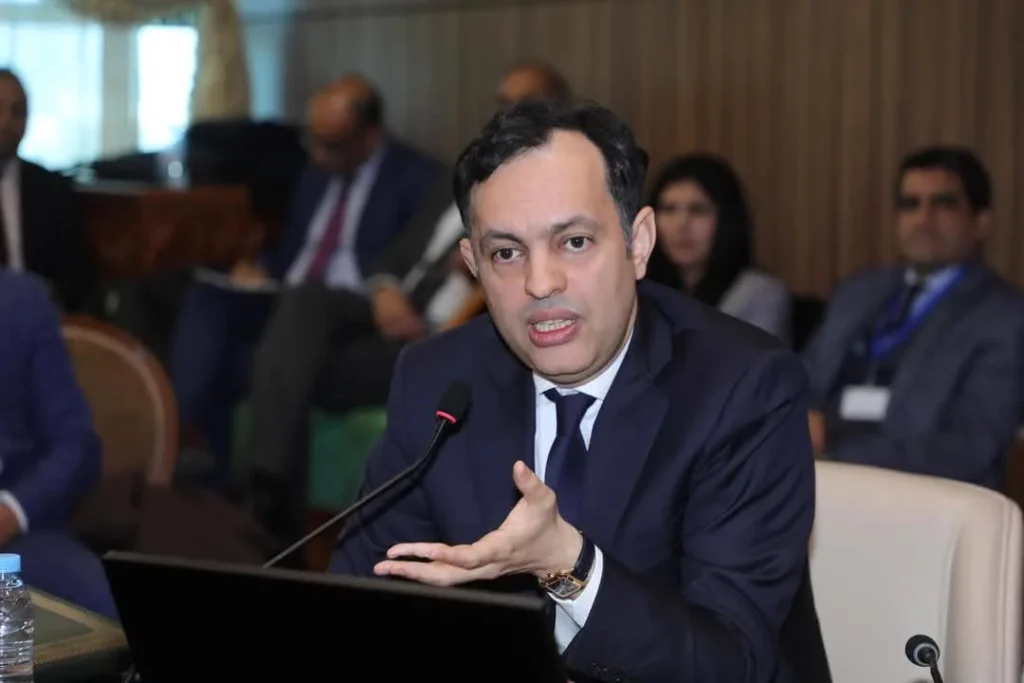
Rabat – The Moroccan government is moving to update the legal framework governing internship contracts aimed at professional integration to better align it with changes in the labor market and evolving public employment policies.
The Government Council approved on Thursday Draft Law No. 51.25, presented by the Minister of Economic Inclusion, Small Business, Employment and Skills, Younes Sekkouri. The bill amends and updates the 1993 law that encourages companies to use internship contracts for professional integration.
According to the ministry, the reform comes in response to major shifts in the job market and targets a wide range of economic and social actors. The new provisions are expected to benefit industrial and commercial companies, traditional craft businesses, real estate and service companies, as well as agricultural and forestry operations.
The law also covers associations and cooperatives that organize training internships for professional integration, especially for people without formal qualifications, starting from January 2025.
Read also: Morocco Created 24,000 Jobs Through Cooperatives in 2025
The draft law introduces several incentives for both employers and trainees. These include exemptions from social security contributions and vocational training fees during the internship period, as long as the monthly allowance does not exceed MAD 6,000. The state will also cover mandatory health insurance contributions paid to the National Social Security Fund during the training period.
In addition, if a trainee is hired at the end of the internship, the state will cover the employer’s share of social security contributions for 12 months.
Trainees will also benefit from income tax exemptions on their monthly internship allowance, capped at MAD 6,000. If a trainee is permanently hired under an open-ended contract, the law provides an income tax exemption for 24 months, as long as the gross monthly salary does not exceed MAD 10,000.
According to the ministry, this reform marks a shift in employment policy from short-term solutions to long-term investment in skills. It added that by linking training more closely to employability, the government aims to strengthen sustainable job integration.
The ministry described the bill as a key step in reforming Morocco’s employment system and striking a balance between economic flexibility, worker protection, and the effectiveness of professional integration programs.