


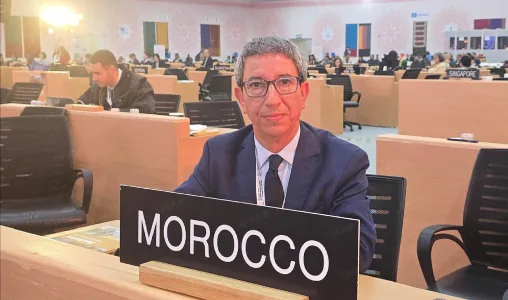
Rabat – Moroccan expert Professor Ahmed Skounti has been elected member of the Evaluation Body of the UNESCO Intergovernmental Committee for the Safeguarding of Intangible Cultural Heritage for the next four years. The election took place today during the 20th session of the Committee in New Delhi, India.
Skounti received 20 out of 24 votes, a strong majority that shows the international community’s confidence in his professional and human qualities.
Professor Skounti works at the National Institute of Archaeological Science and Heritage in Rabat. He is one of the main drafters of the 2003 UNESCO Convention for the Safeguarding of Intangible Cultural Heritage. He has also served as a member of this Evaluation Body from 2015 to 2017 and was its chair twice.
In a statement to the Moroccan news agency MAP, Skounti expressed his happiness at the renewed trust placed in him. He said the election is both an honour and a responsibility.
He explained that the Evaluation Body plays a technical role. It studies nominations submitted by countries to be entered on UNESCO’s heritage lists. It also reviews applications for support from the Intangible Cultural Heritage Fund. The team checks whether each file meets UNESCO’s criteria and makes recommendations to the governmental committee, which then decides whether to inscribe or not.
Skounti added that the work is careful, collective, and detailed. The evaluation includes verifying that every nomination follows the established standards and preparing advice that helps the Committee make final decisions.
His election reinforces Morocco’s presence in the international structures that protect intangible heritage and highlights the active role Morocco plays in implementing the 2003 Convention.
Earlier this week, UNESCO officially added the traditional Moroccan caftan to its Representative List of the Intangible Cultural Heritage of Humanity during the same session in New Delhi. This decision marks a major international recognition of the garment’s cultural significance, craftsmanship, and history.
The caftan’s inscription celebrates its centuries-old techniques, artistic creativity, and role as a living symbol of Moroccan identity and diversity. The listing also helps protect the caftan from cultural appropriation.
Morocco’s Ministry of Foreign Affairs welcomed the decision, calling it a victory and a testament to the vision of King Mohammed VI in safeguarding cultural heritage.