


Casablanca – The Commercial Court of Casablanca has rejected a $3.5 billion (MAD 36.3 billion) offer from a United Arab Emirates–based investor to acquire the assets of the country’s only oil refinery, halting what had been described as the most significant attempt in years to revive domestic fuel refining.
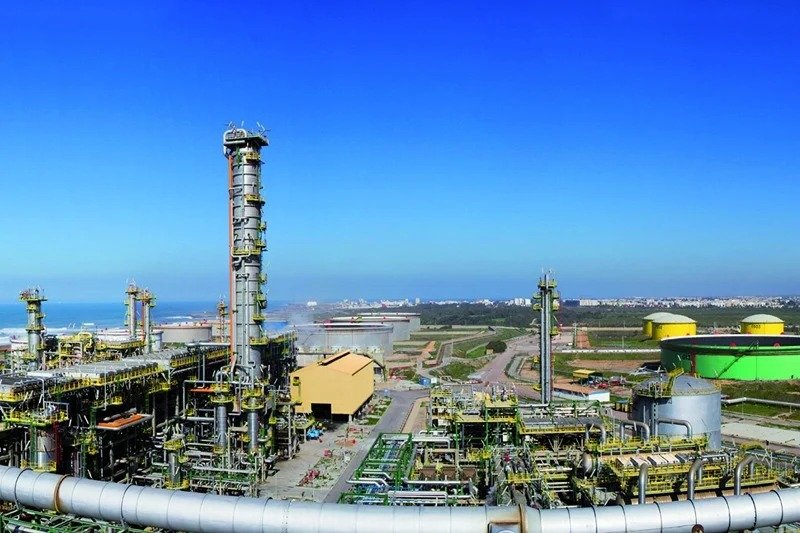
The ruling, issued today, concerns the long-idled refinery operated by Société Anonyme Marocaine de l’Industrie du Raffinage, commonly known as Samir. The facility, located in Mohammedia, has been under judicial liquidation since 2016 after suspending operations in 2015 amid mounting debts.
The rejected bid was submitted by UAE-based MJM Investments Limited and was backed by financing arrangements involving Barclays Bank. At $3.5 billion, the proposal represented the highest publicly reported offer for the refinery since the liquidation process began.
According to Asharq Business, the court rejected the offer because the Emirati bidder did not submit all the legally required documents and guarantees.
The file reportedly included only an expression of interest and a letter from an international bank indicating intent to finance the deal, while liquidation rules require detailed financing plans, payment terms, acquisition price breakdown, and binding execution guarantees before a sale can be approved.
While other converging media reports indicated that the offer was tied to a prior technical audit of the refinery’s infrastructure and equipment to assess its operational condition before a restart, the court’s decision ultimately prevented that process from moving forward.
Samir once played a central role in Morocco’s energy landscape, supplying around 65% of the country’s refined petroleum needs prior to its shutdown. Since operations ceased, Morocco has relied entirely on imported refined fuel products to meet domestic demand.
Reviving a strategic asset
The stalled transaction had drawn attention because of the refinery’s strategic importance. Before its closure, Samir was regarded as a key component of national energy infrastructure, providing refining capacity that reduced dependence on foreign-processed fuel.
The liquidation process has been ongoing for nearly a decade, marked by multiple unsuccessful attempts to attract buyers. Legal complexities, creditor claims, and the scale of accumulated liabilities have complicated efforts to conclude a sale.
Reporting on the latest offer characterized it as the most substantial opportunity in recent years to restore refining activity at the Mohammedia site.
The refinery’s prolonged inactivity has had economic implications at both the local and national levels, including job losses and reduced industrial activity in the surrounding area.
Court-supervised liquidation proceedings continue to govern the fate of the refinery’s assets. With the rejection of the Emirati proposal, no transaction has been finalized and the future of the site remains tied to the judicial process.
The decision underscores the continued legal and financial hurdles surrounding one of Morocco’s most prominent industrial facilities.
For now, Samir remains idle, its potential return to operation dependent on future developments within the framework of the liquidation proceedings.
Read more: Morocco Ranks Among Top African Partners in European Investment Bank’s 2025 Funding